Kitchen sublimation designs
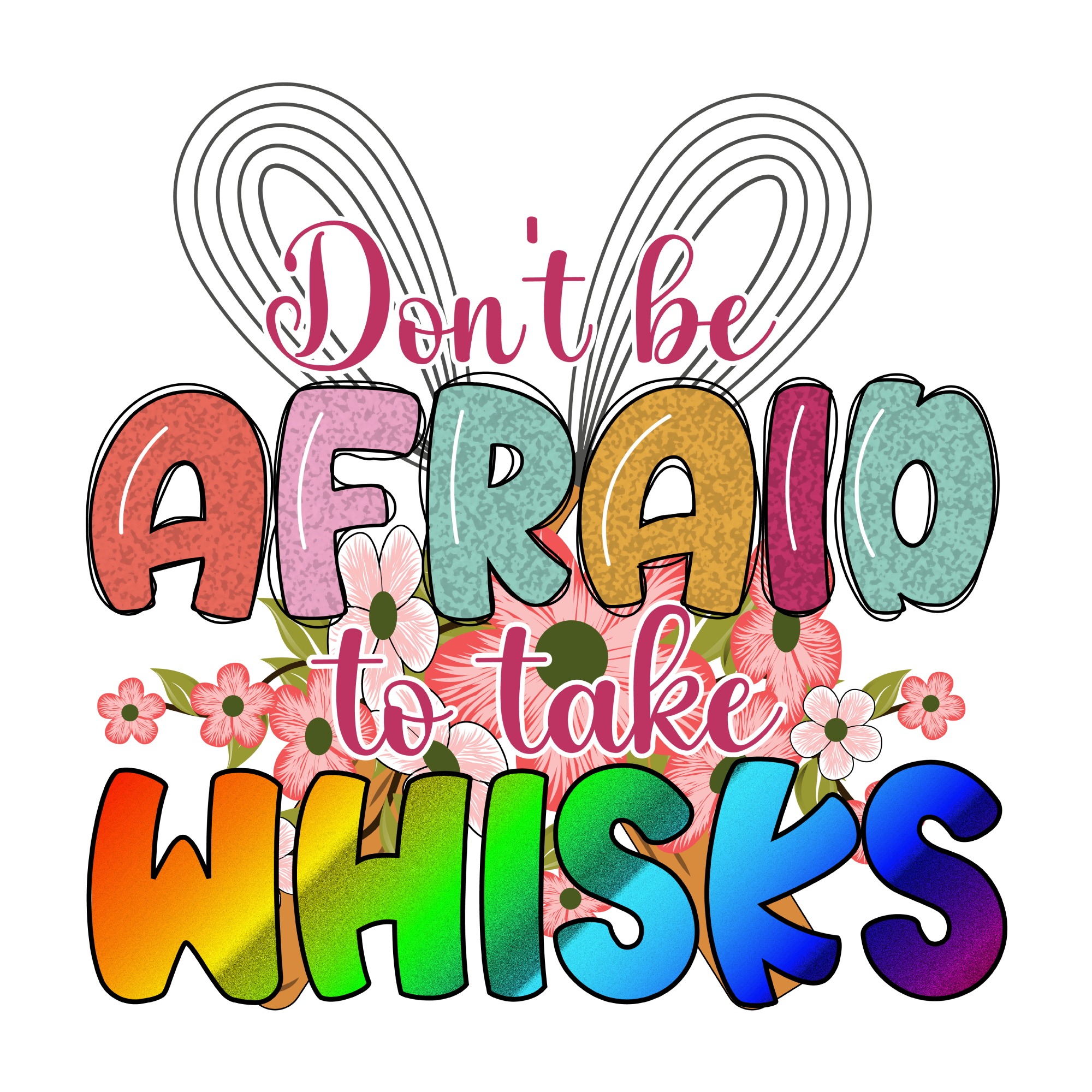
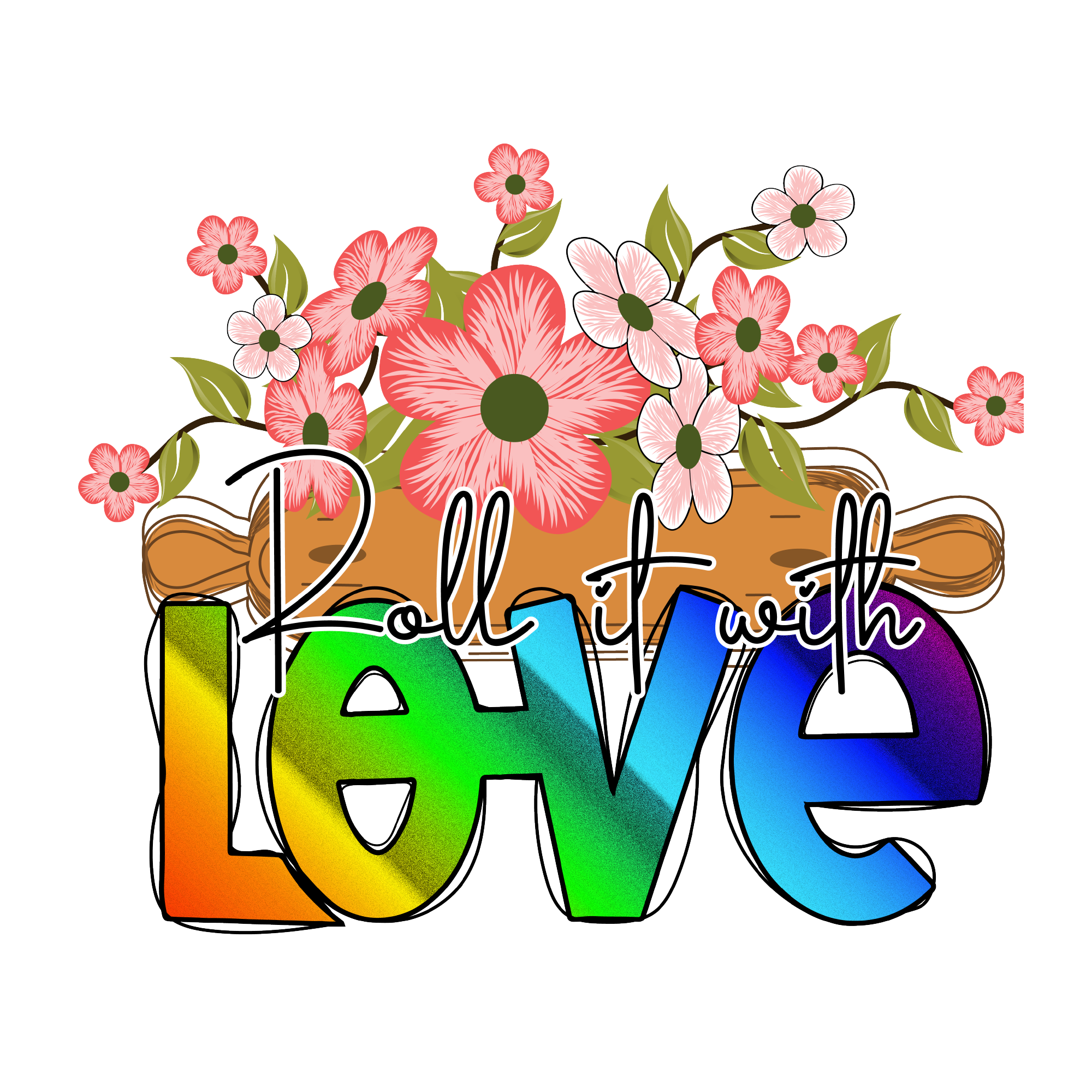
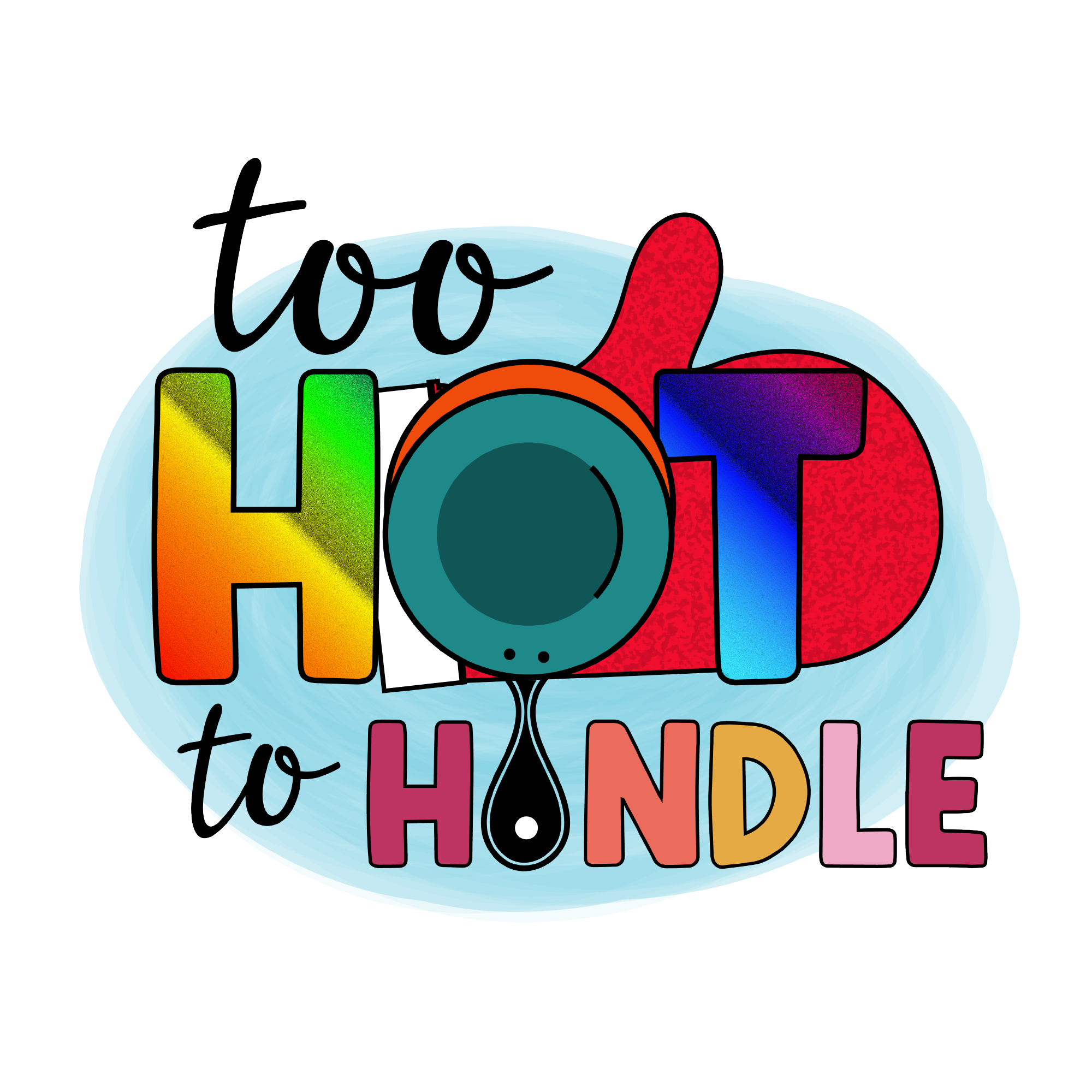
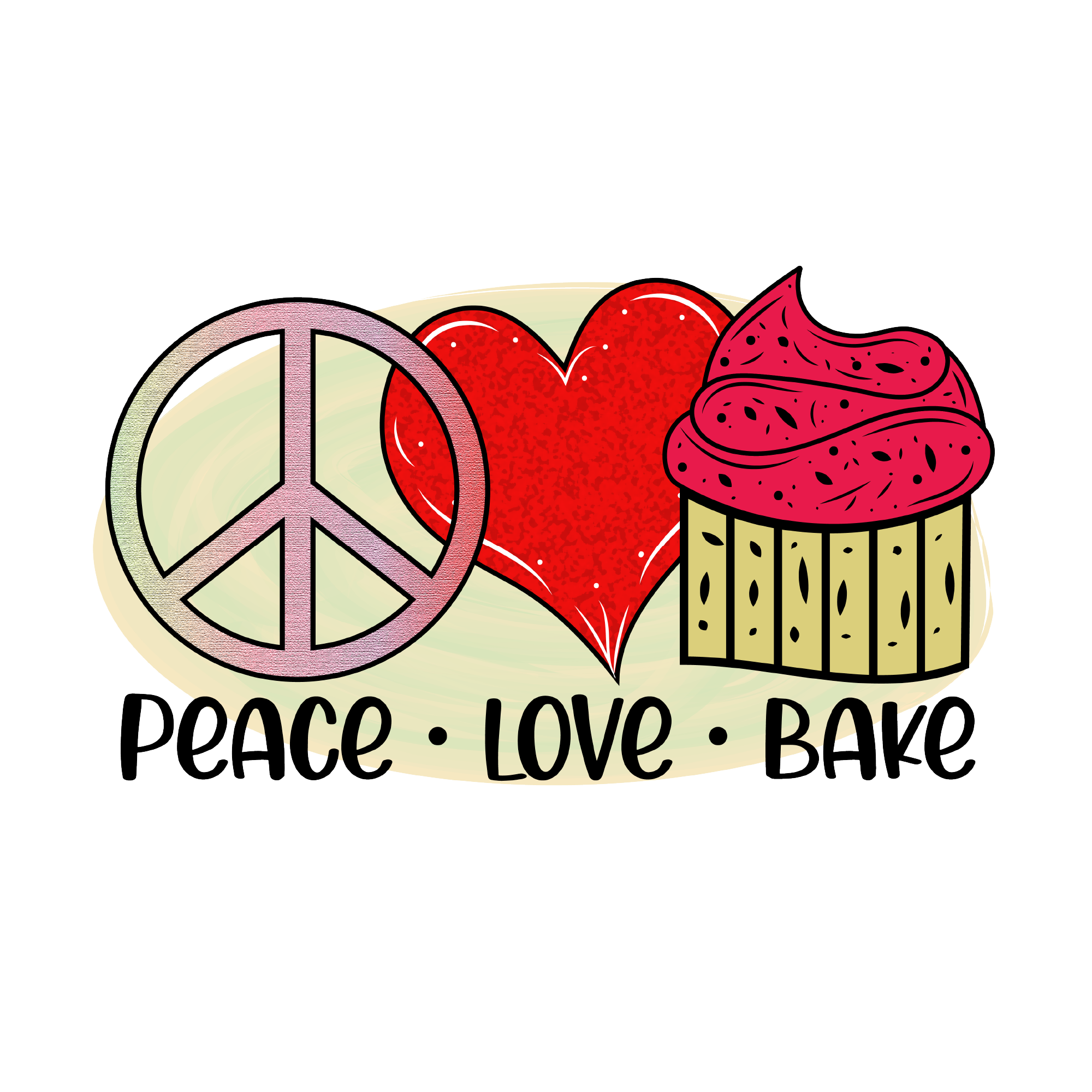
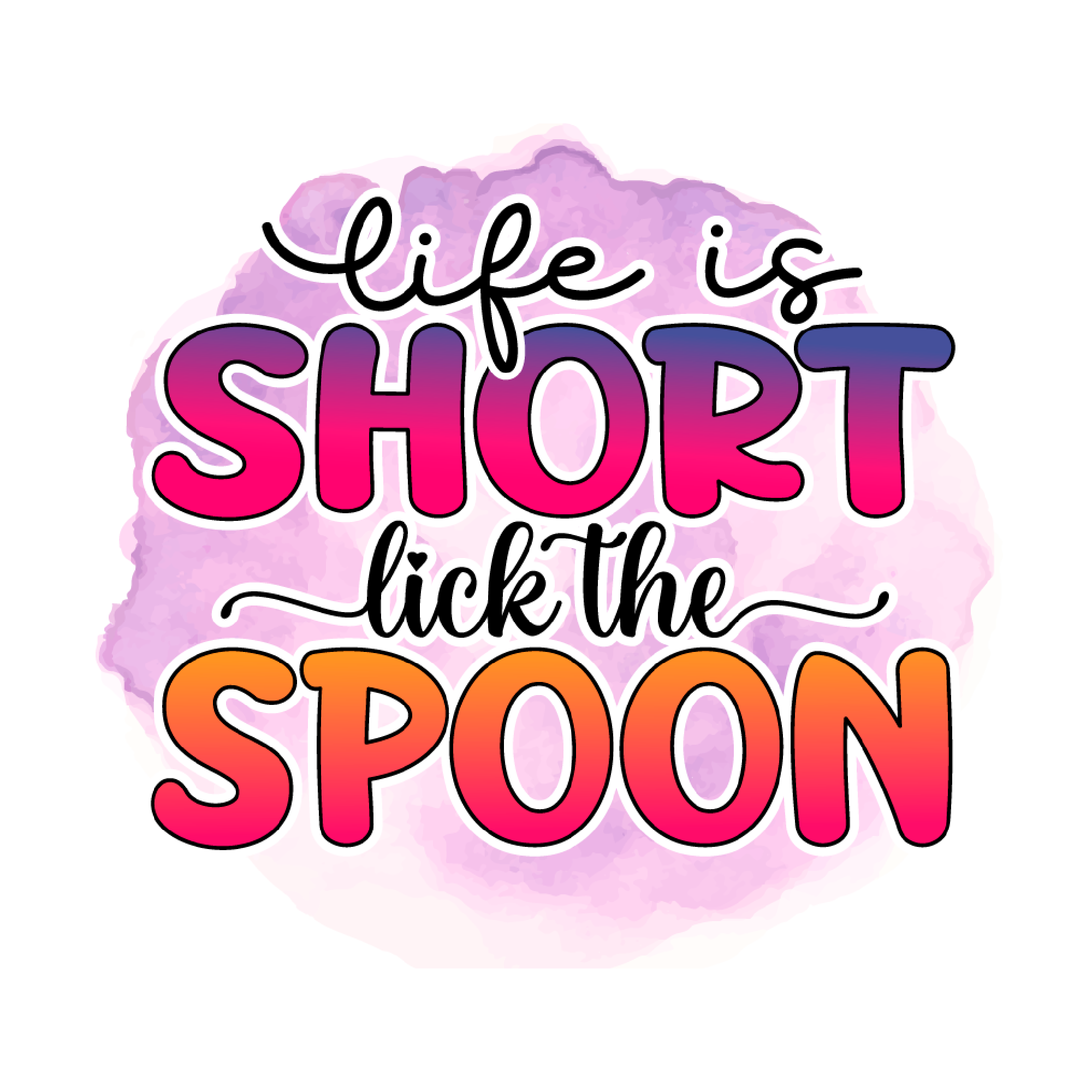
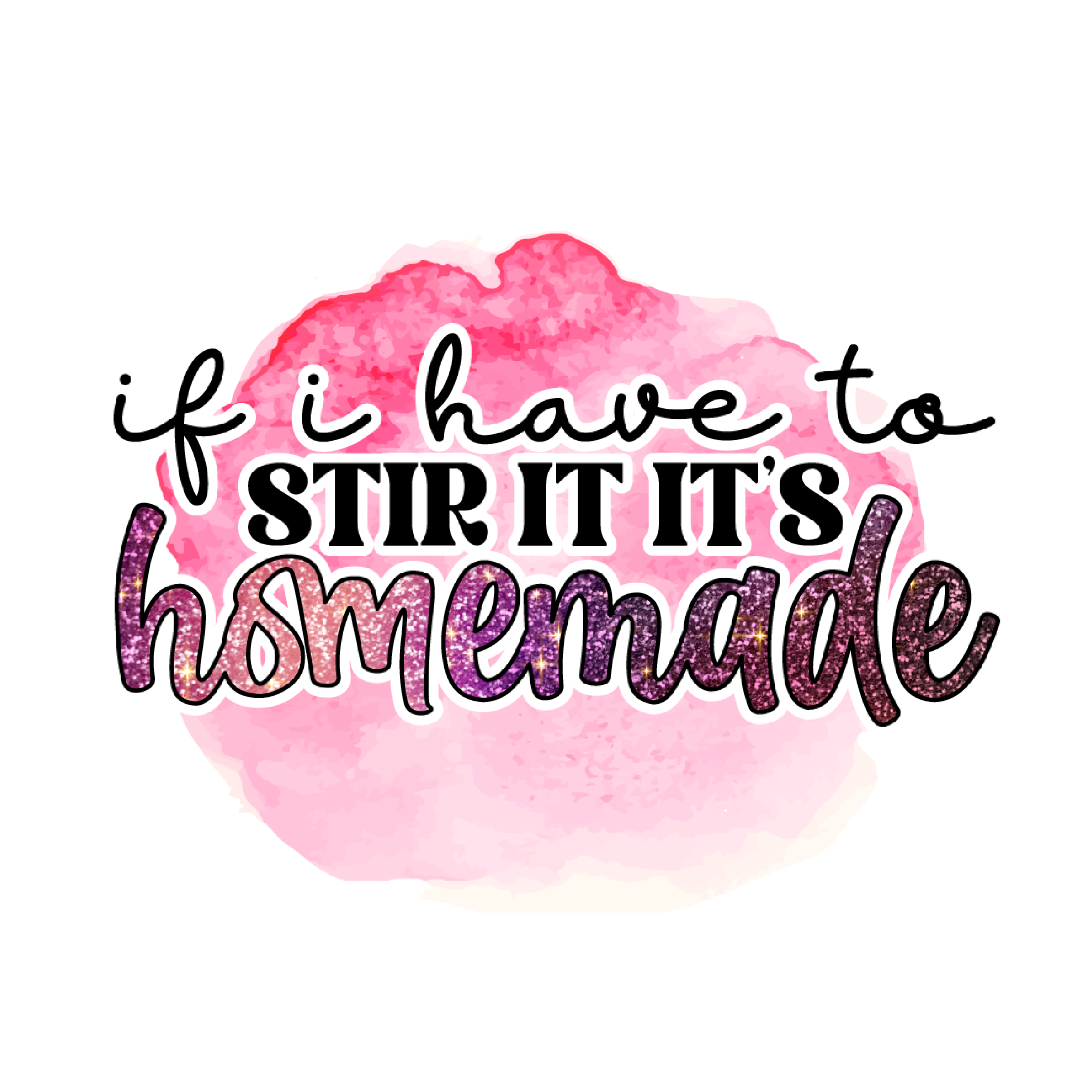
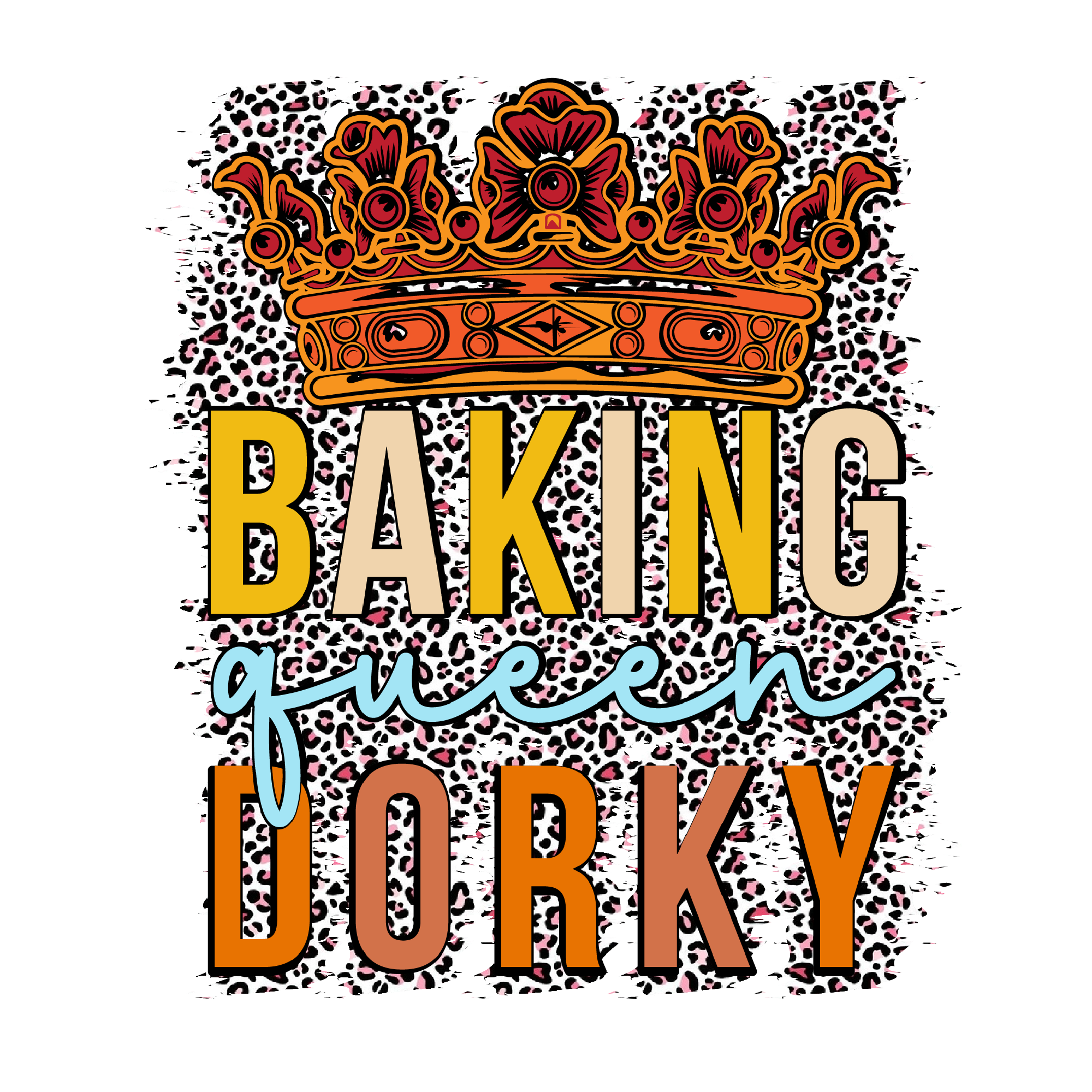
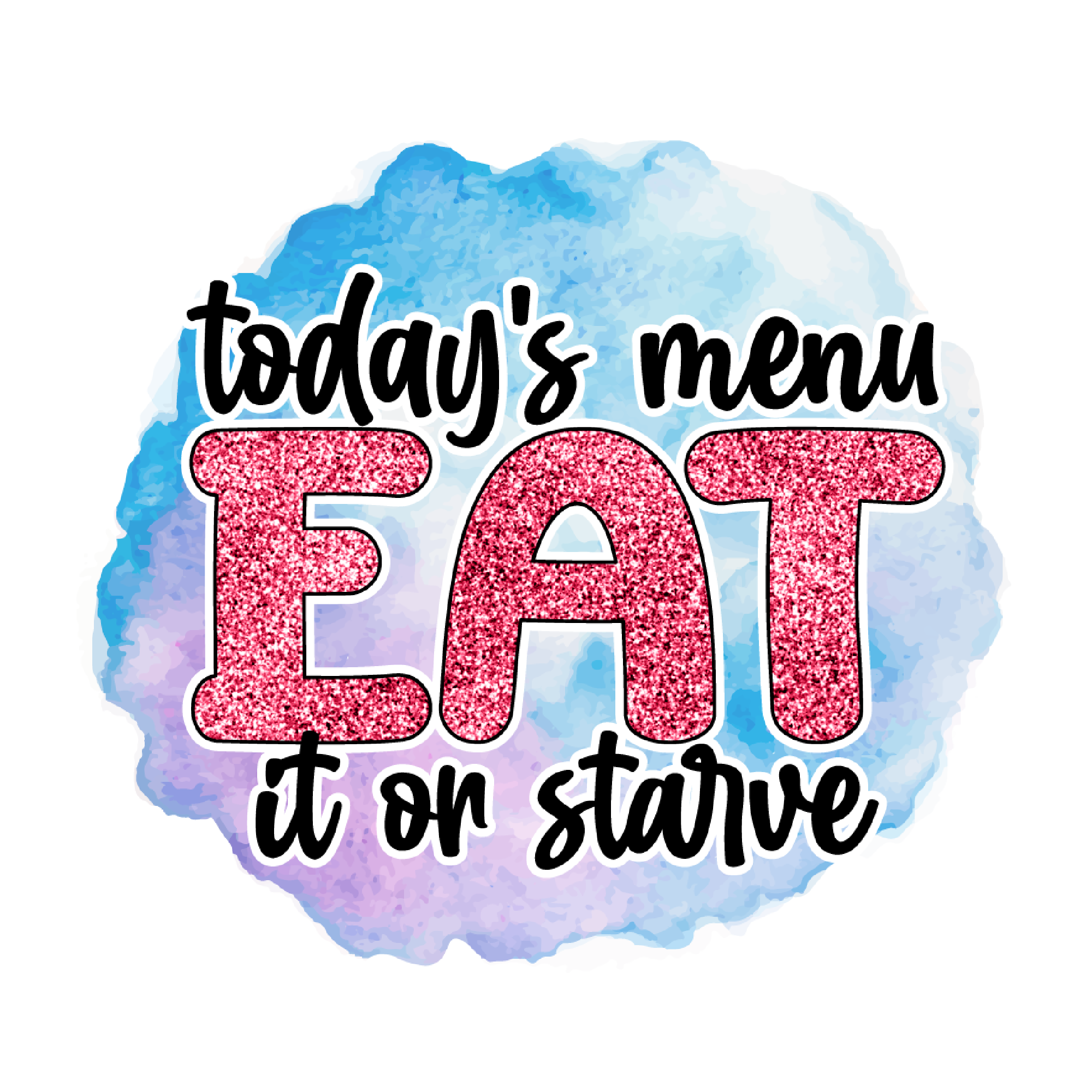
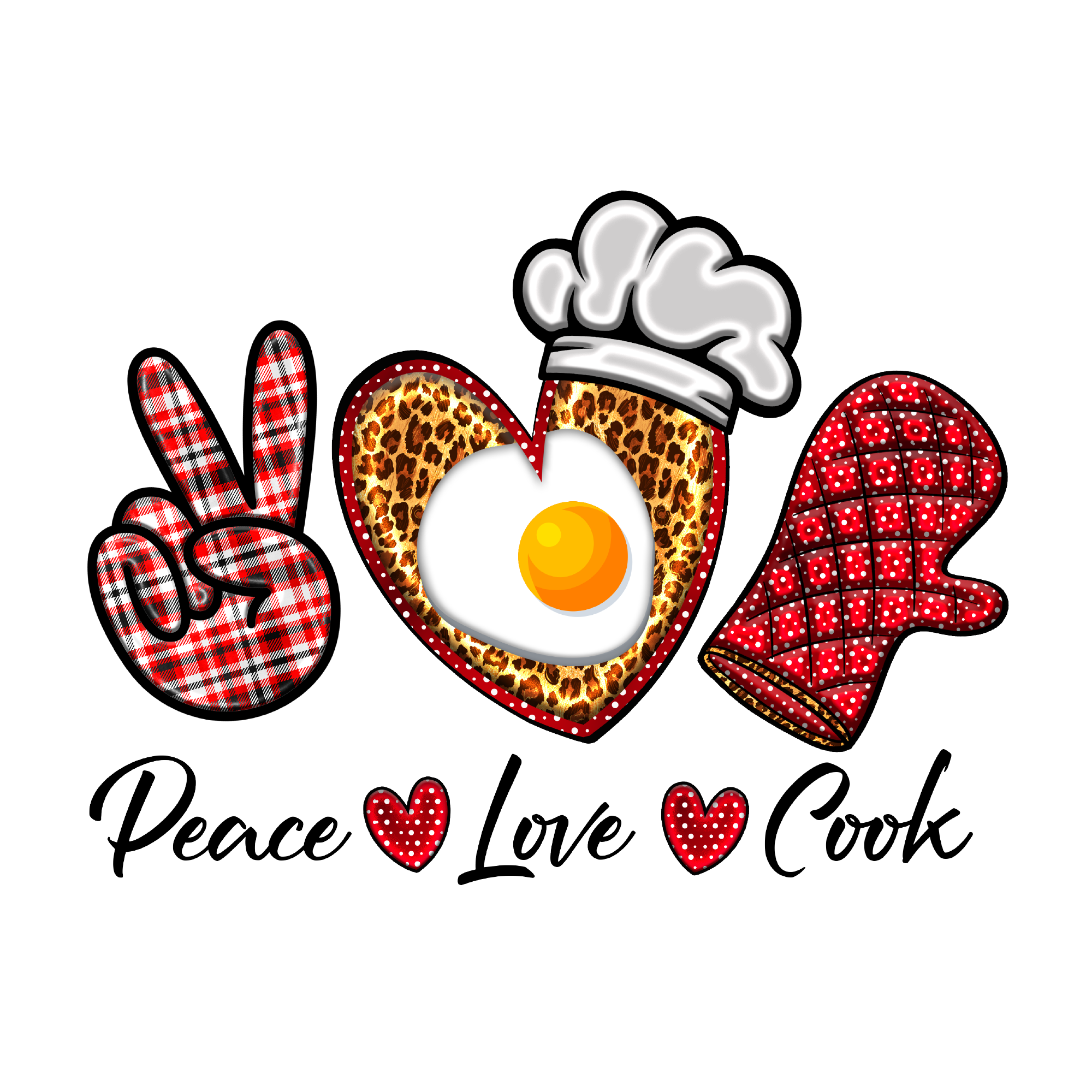
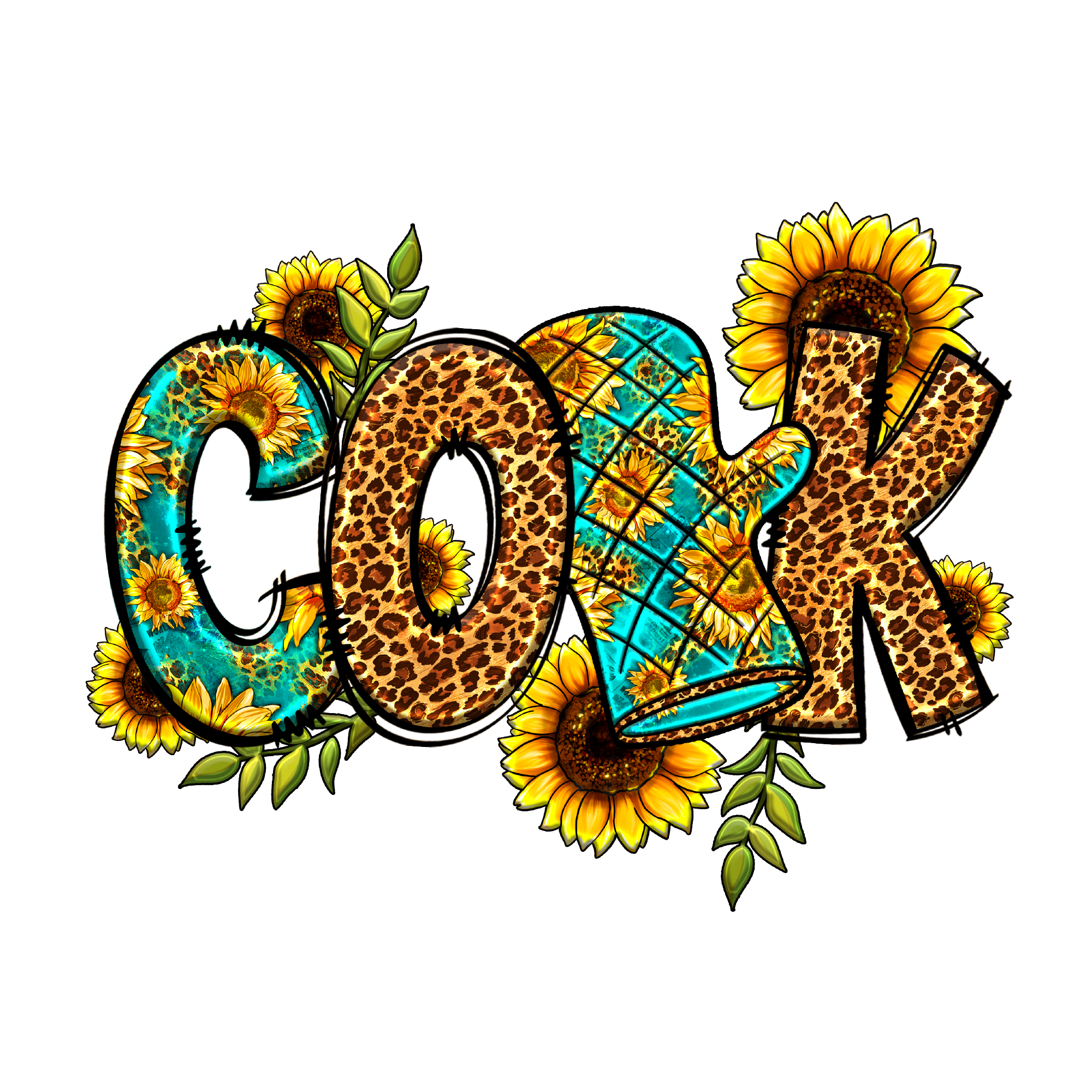
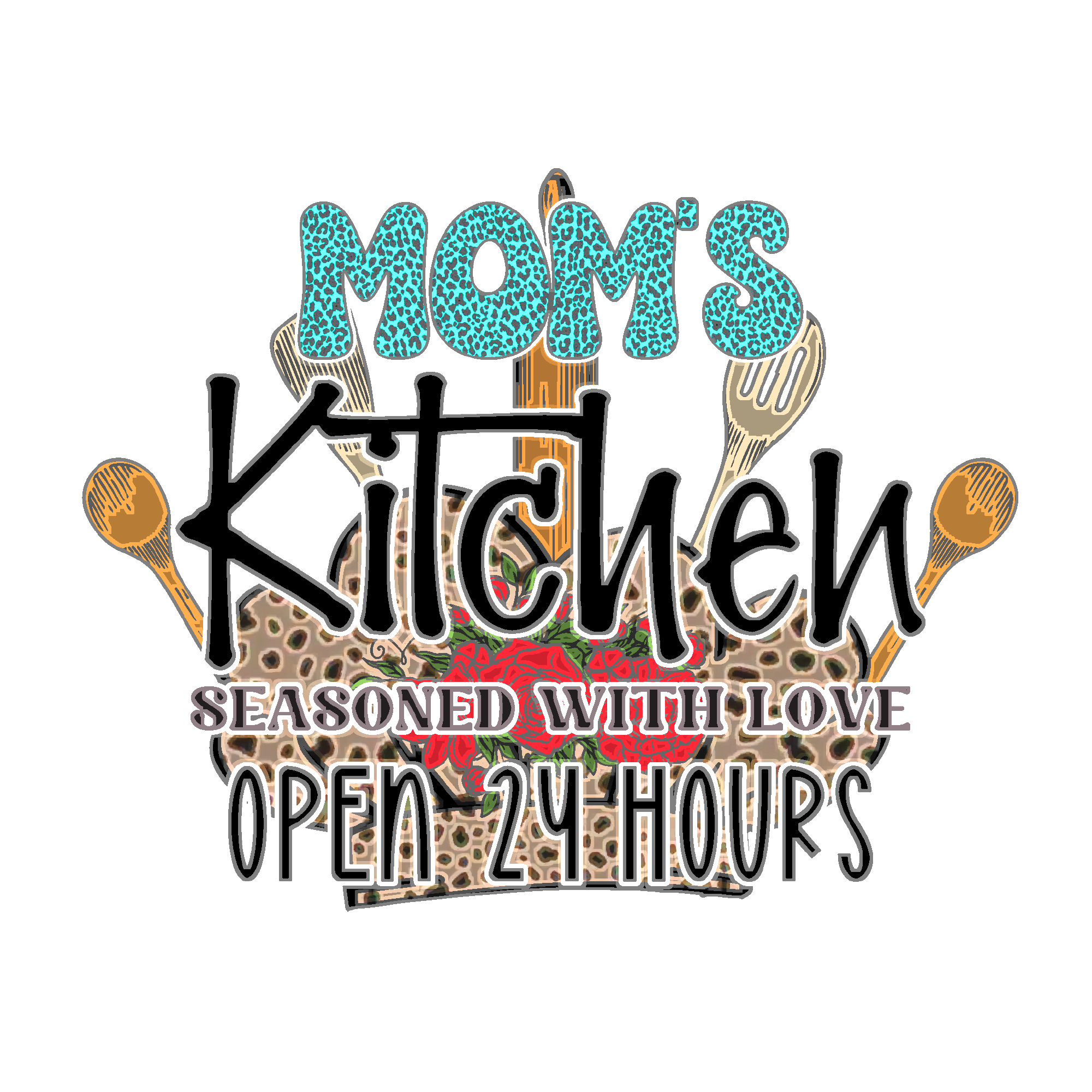
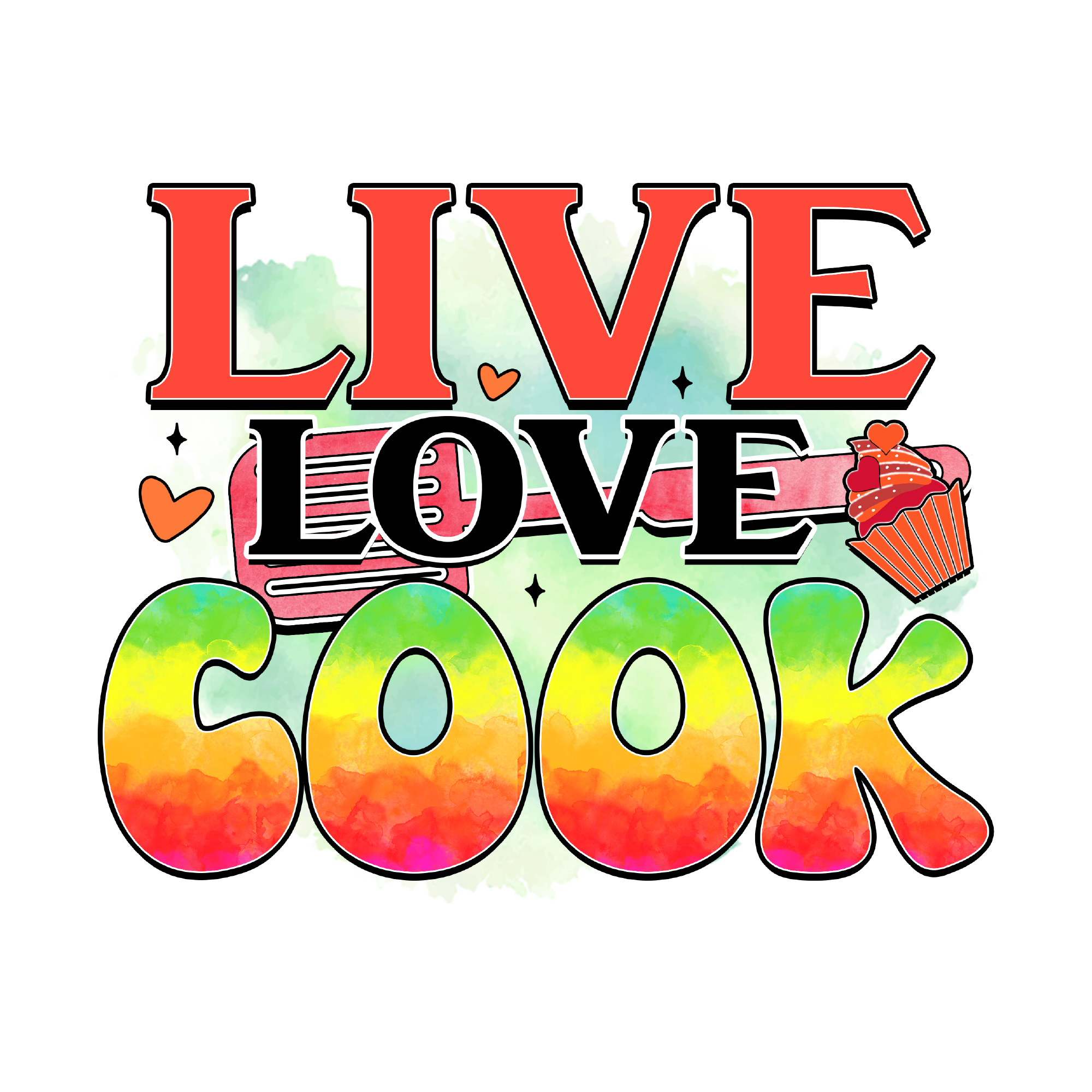
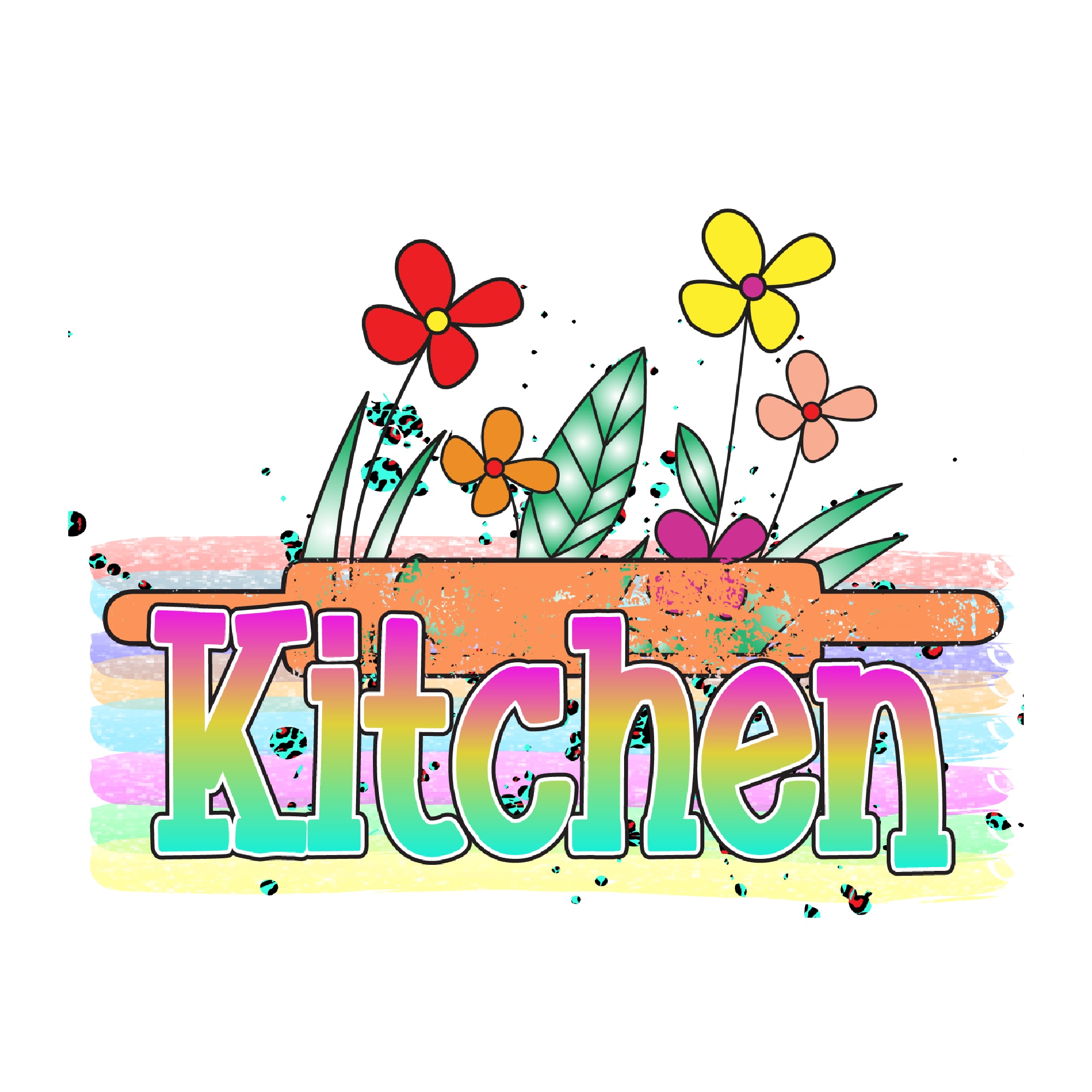
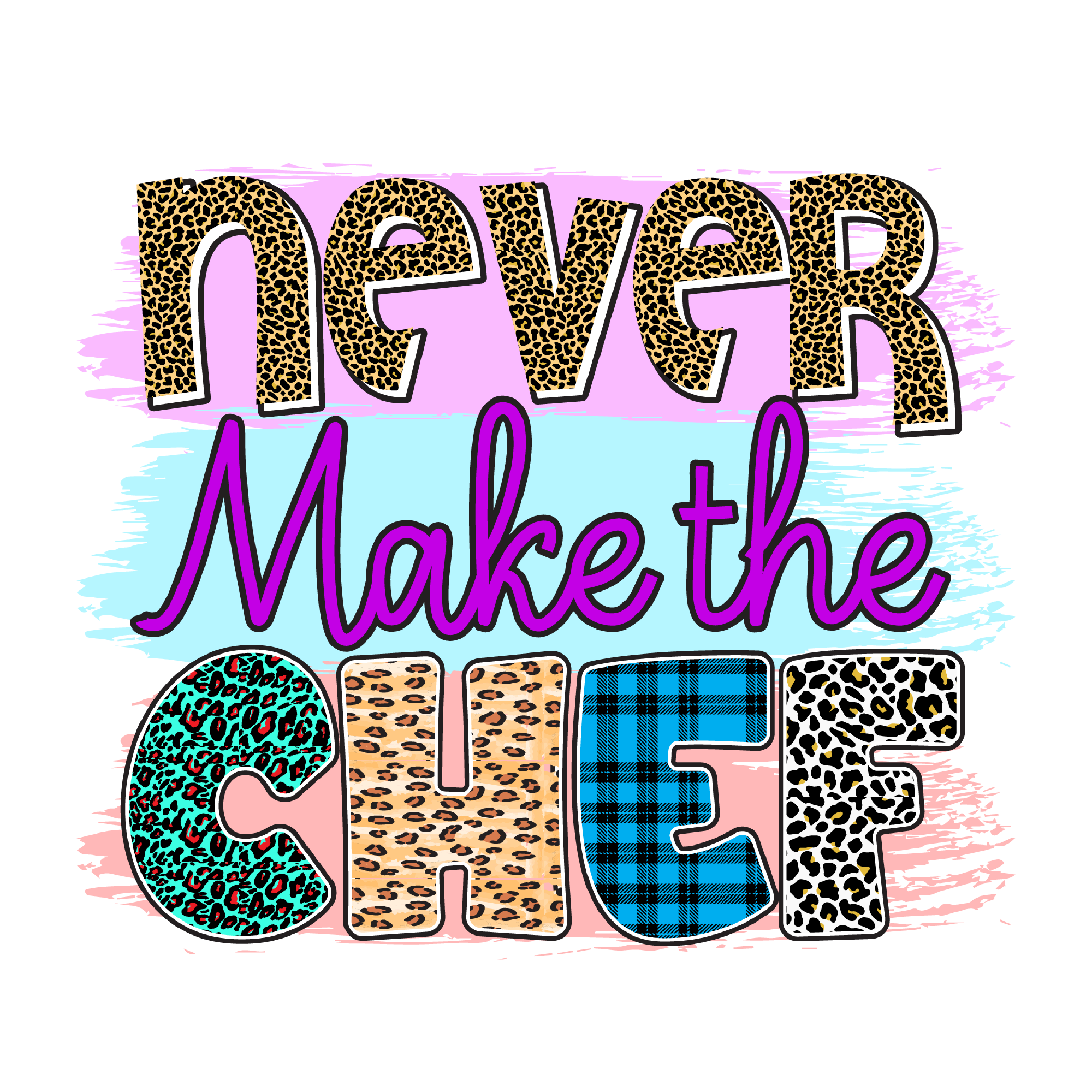
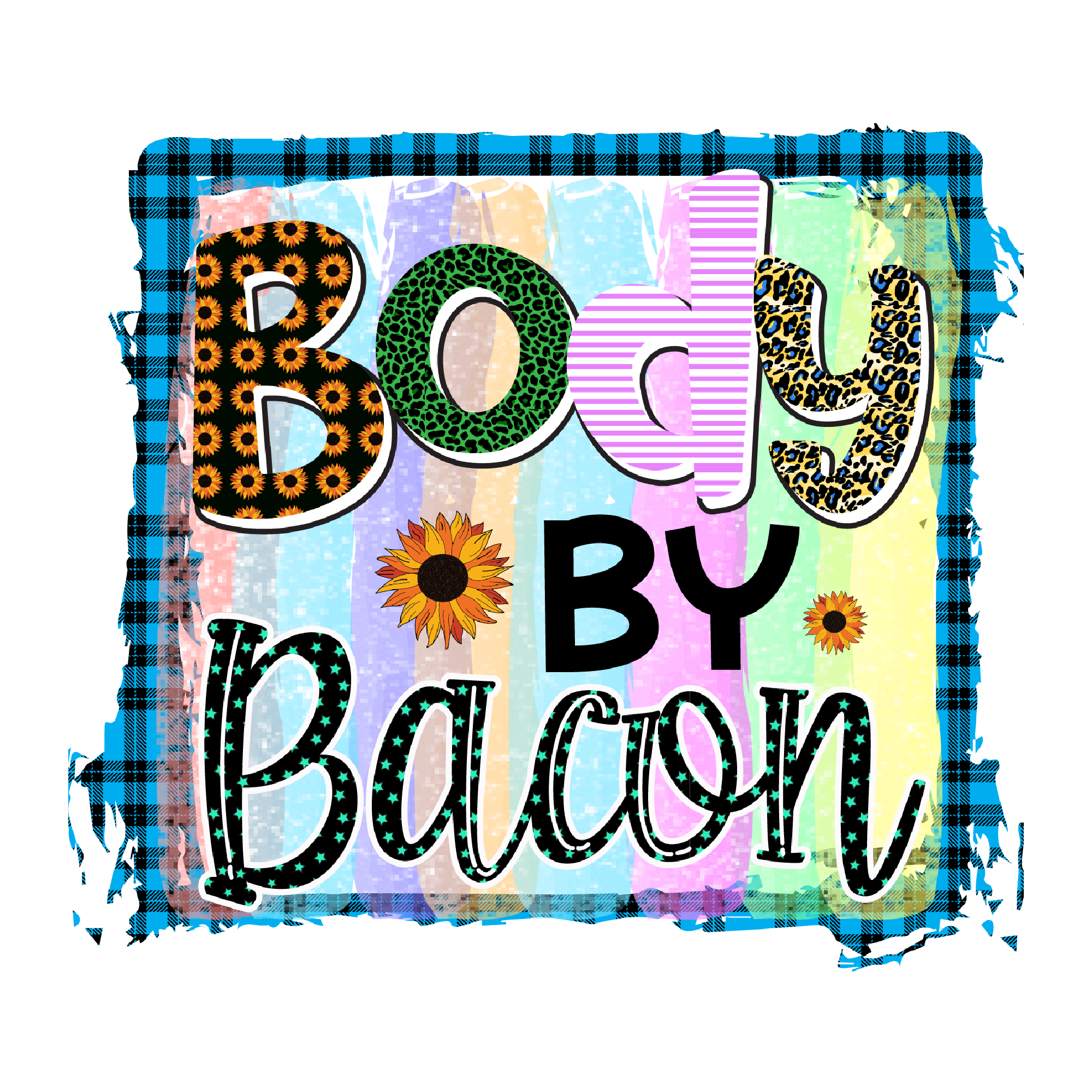
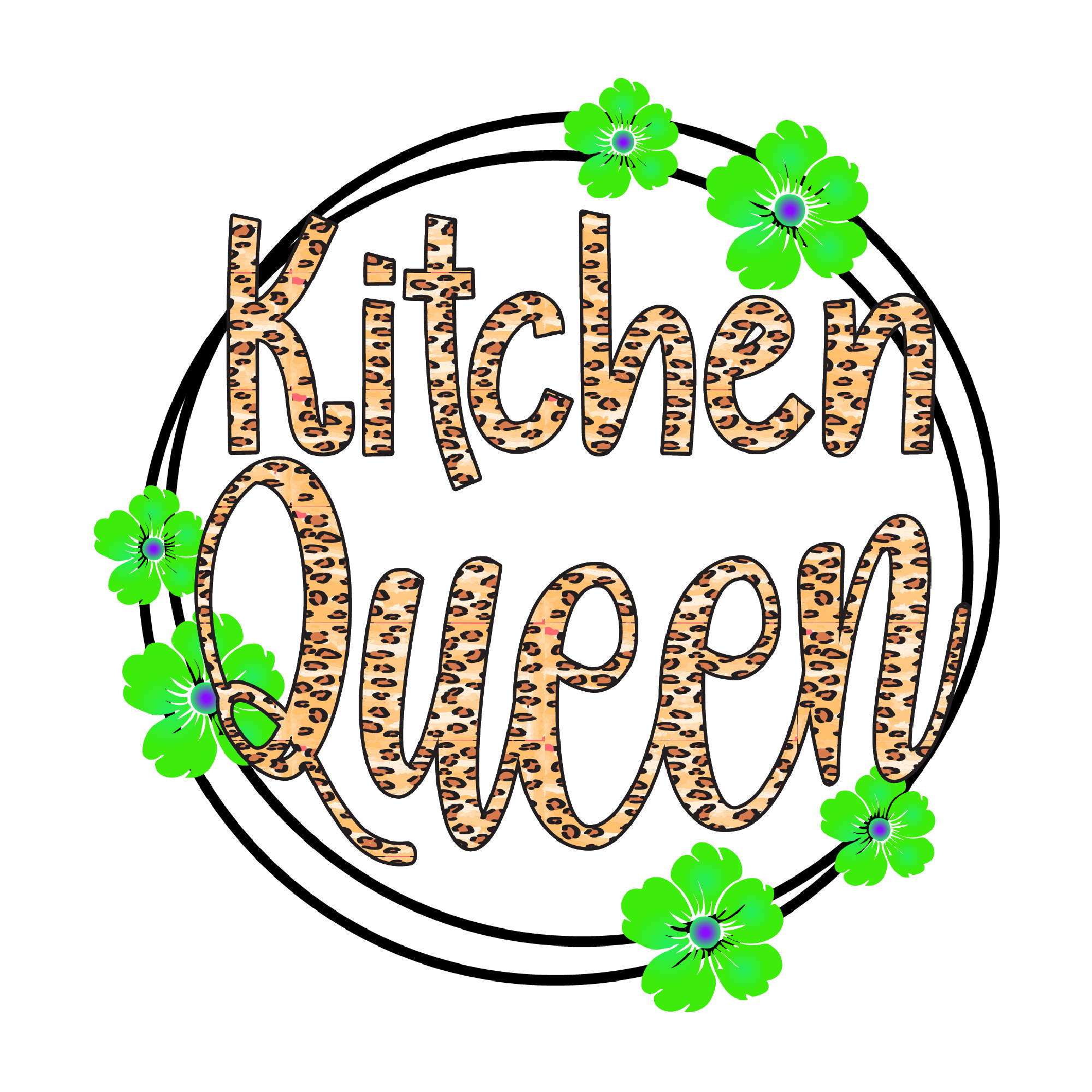
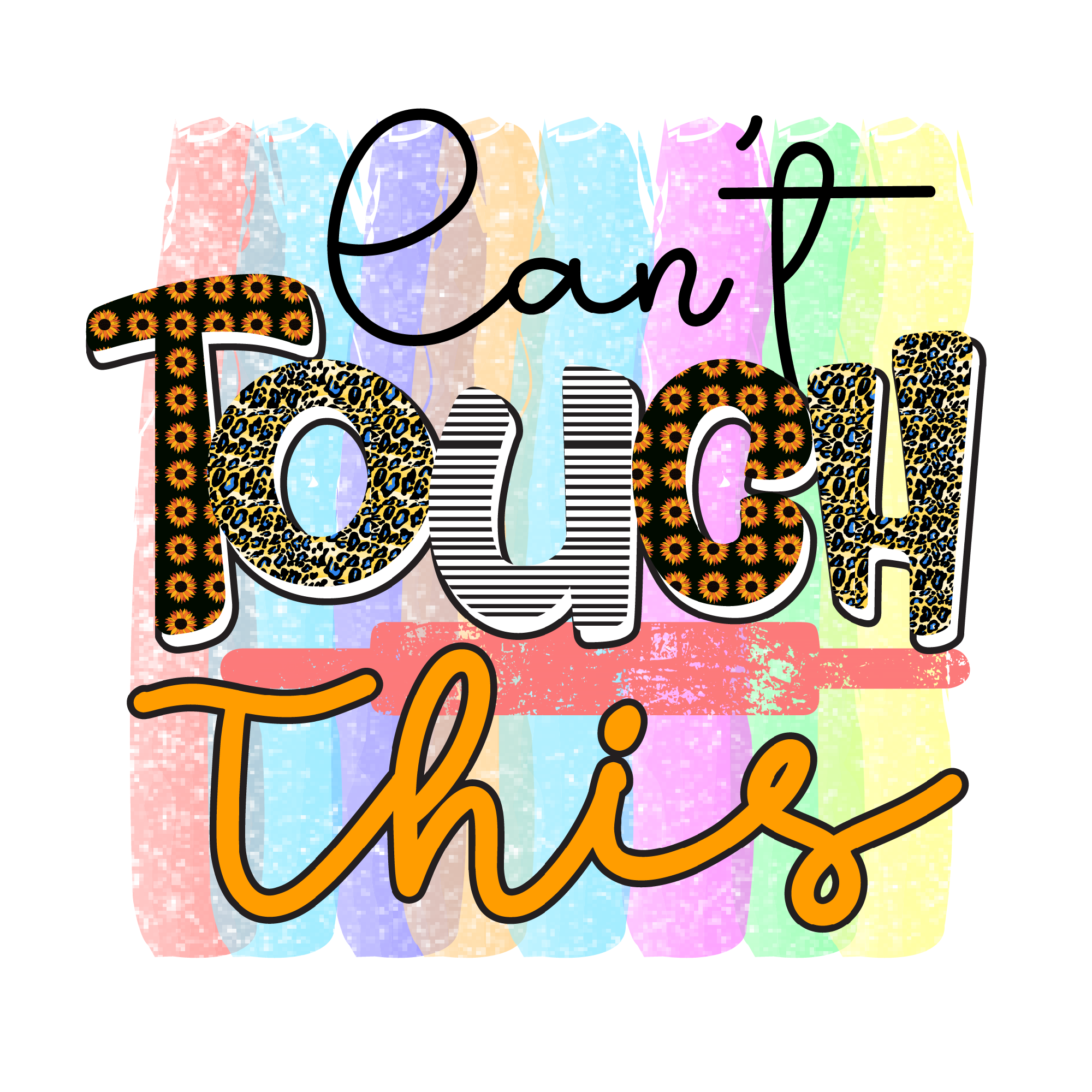
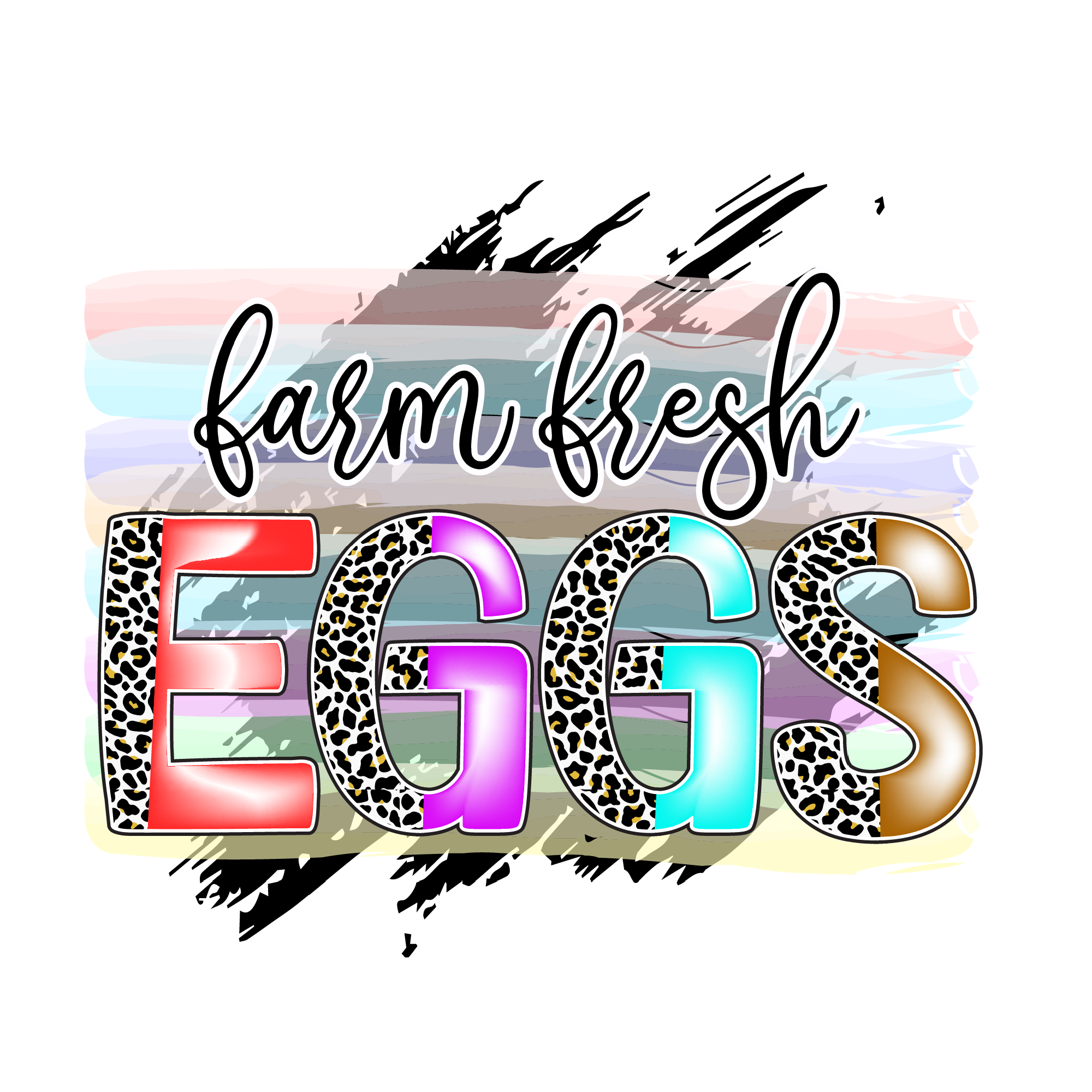
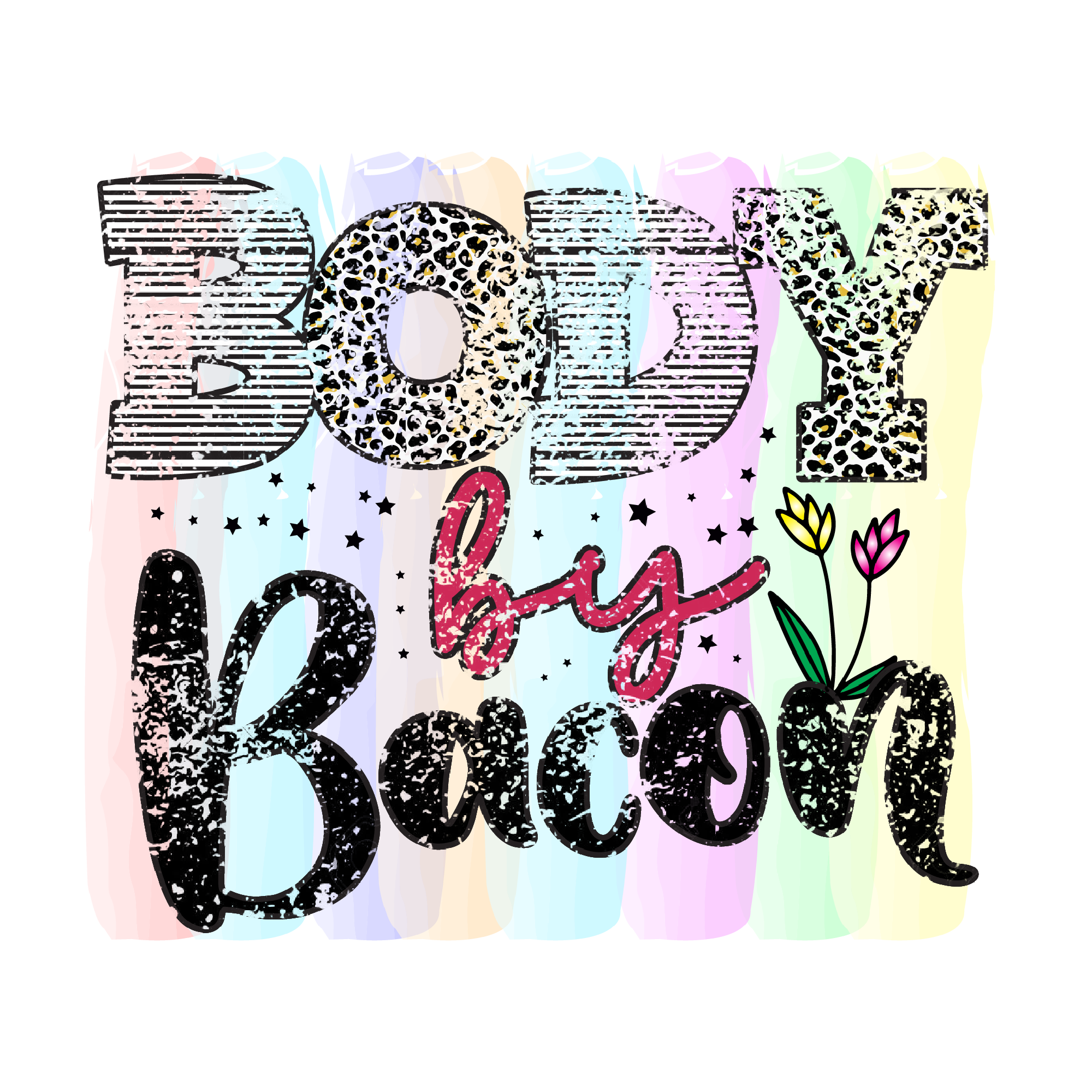
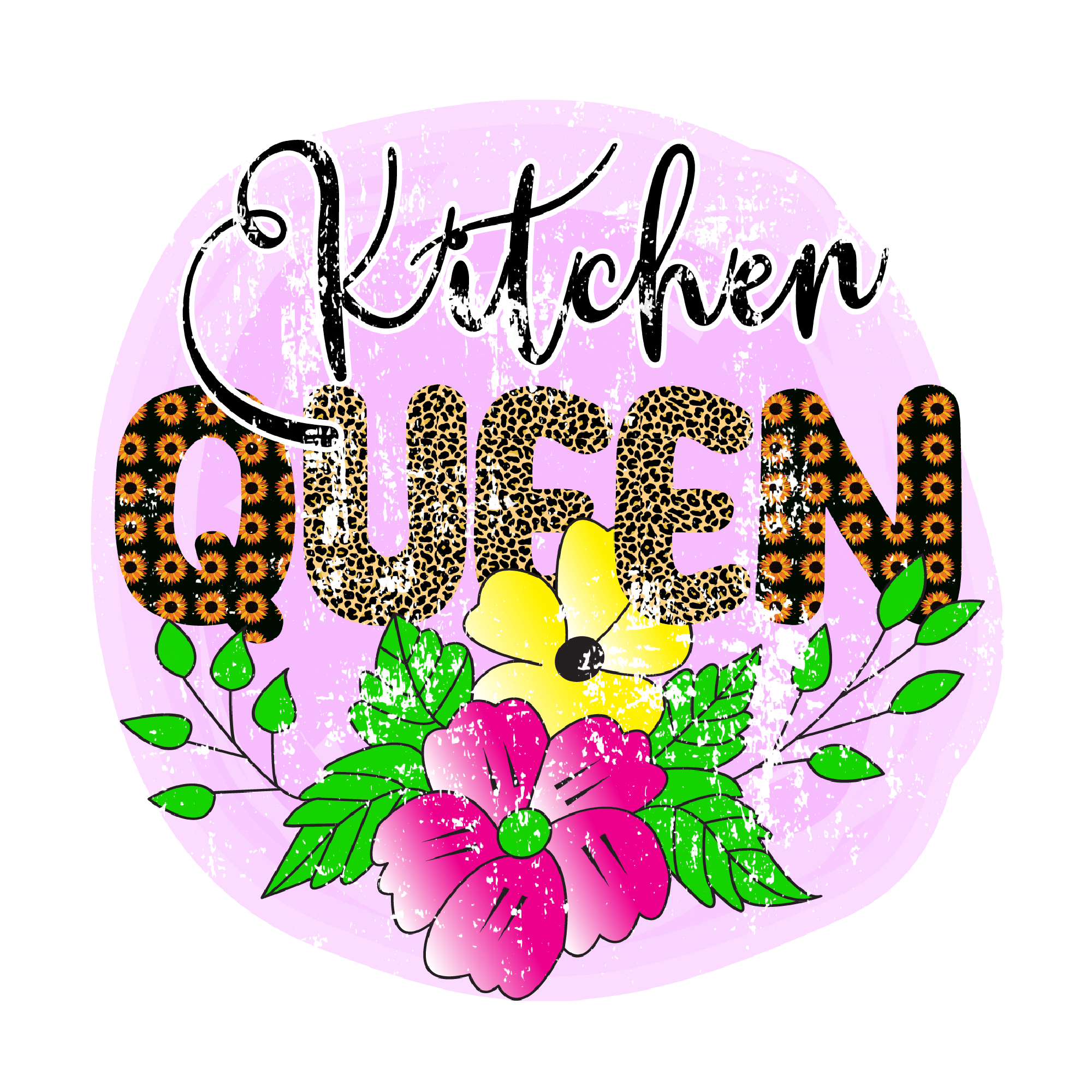
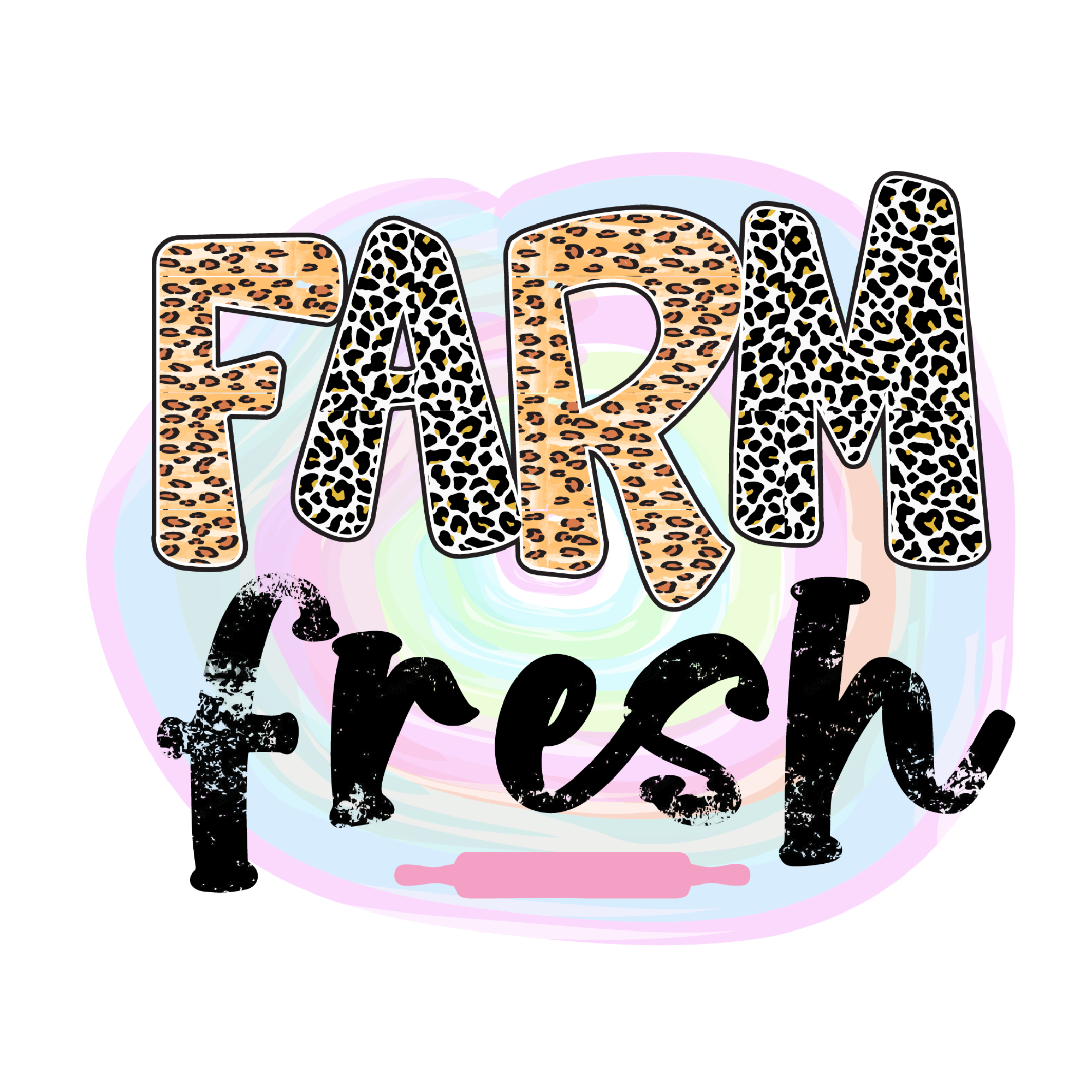
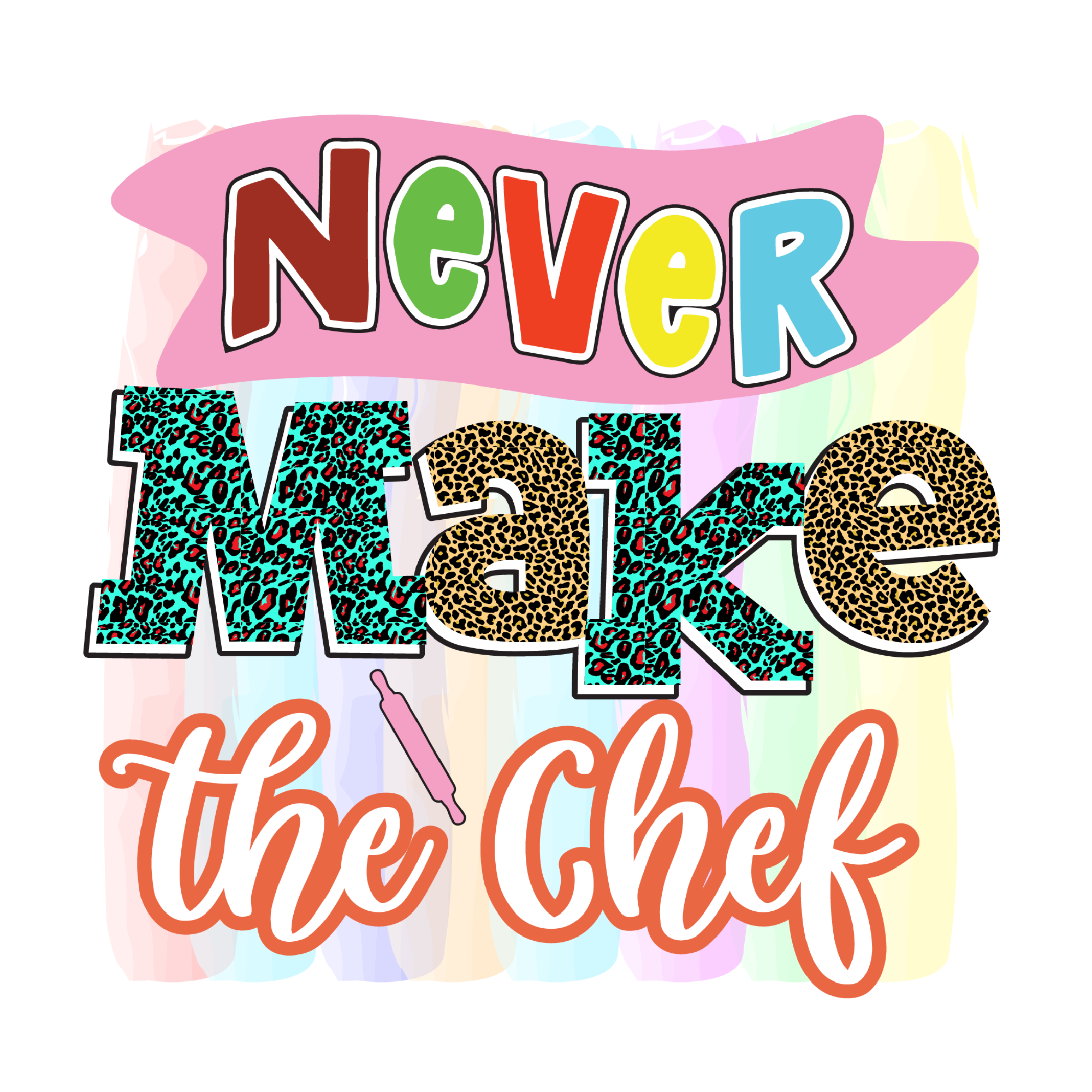
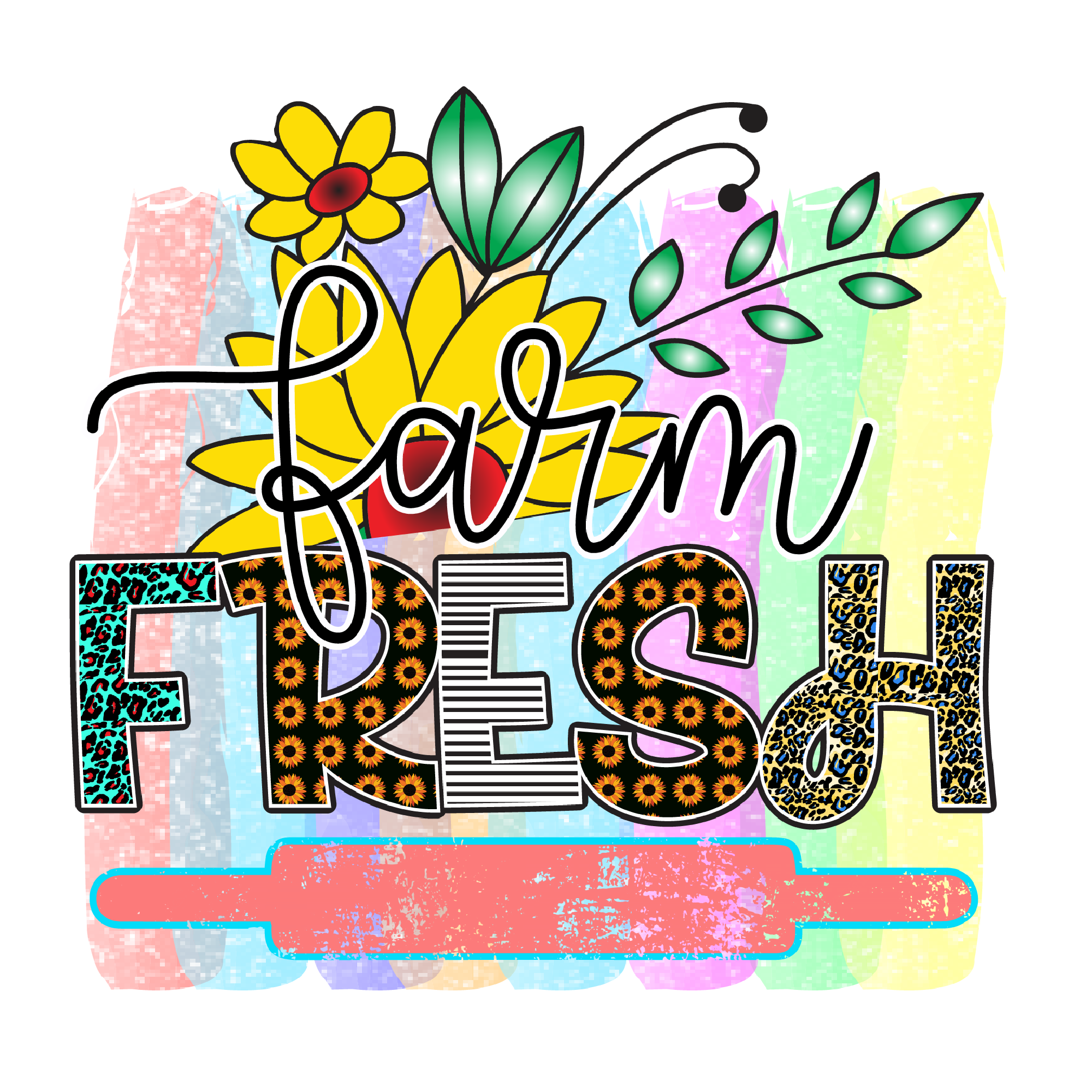
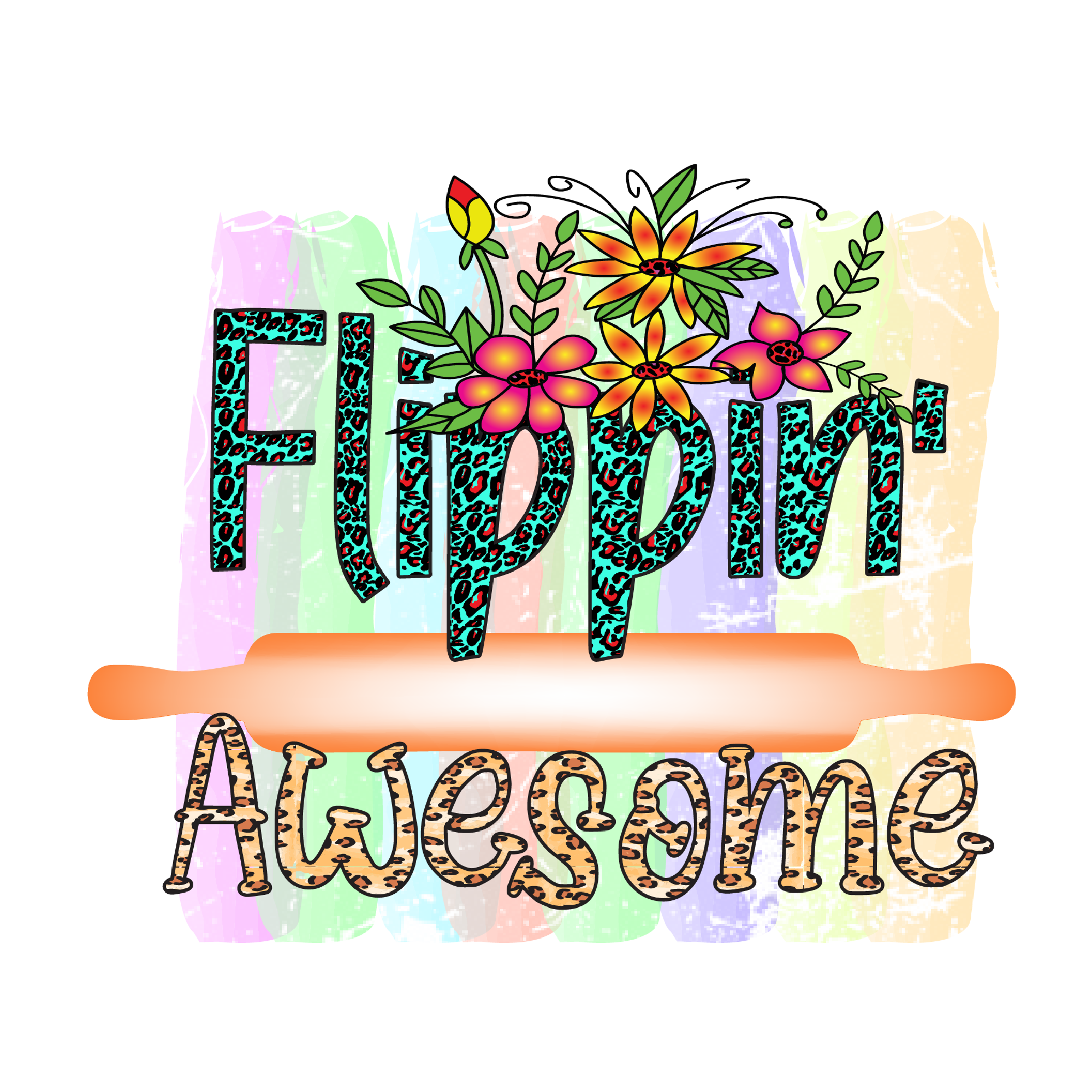
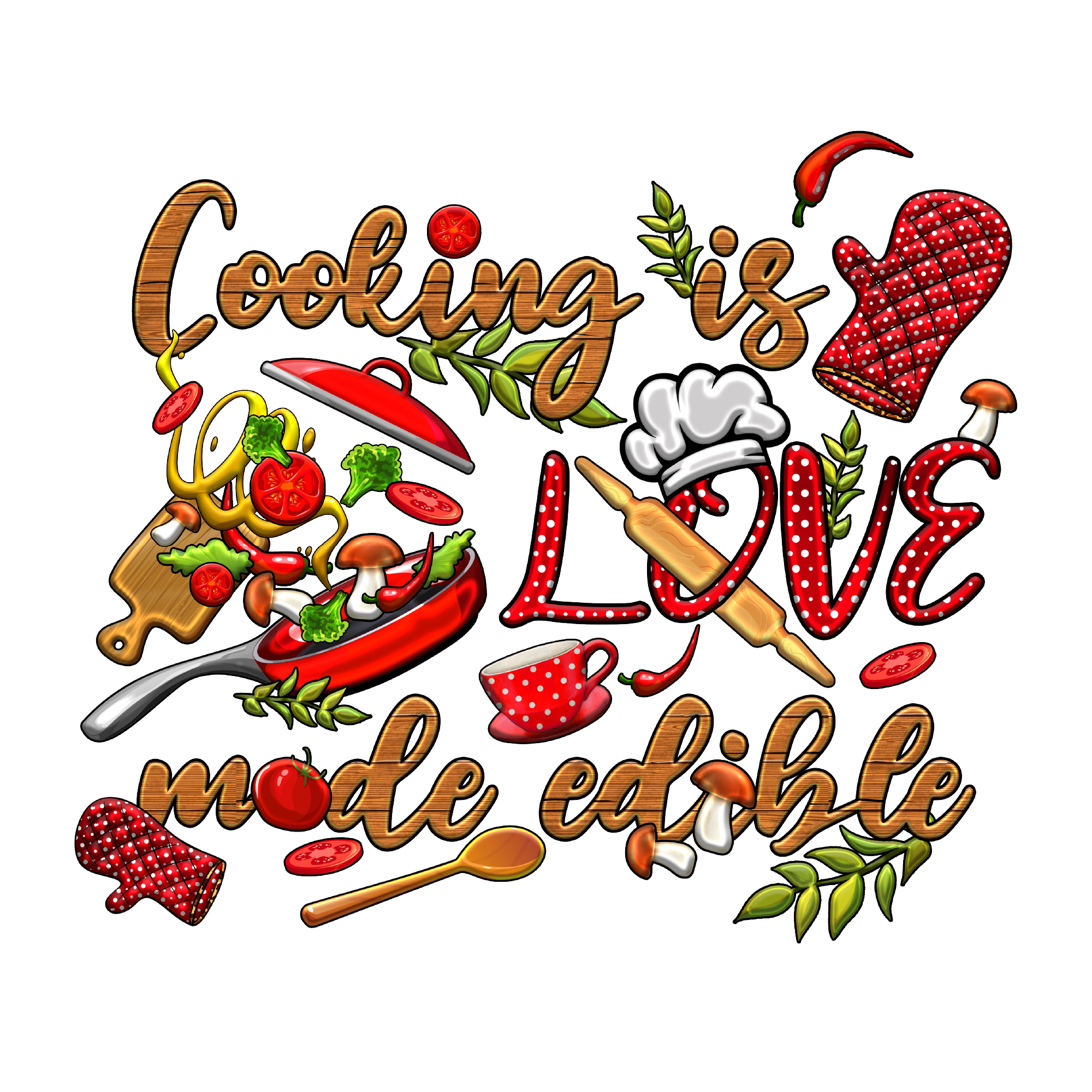
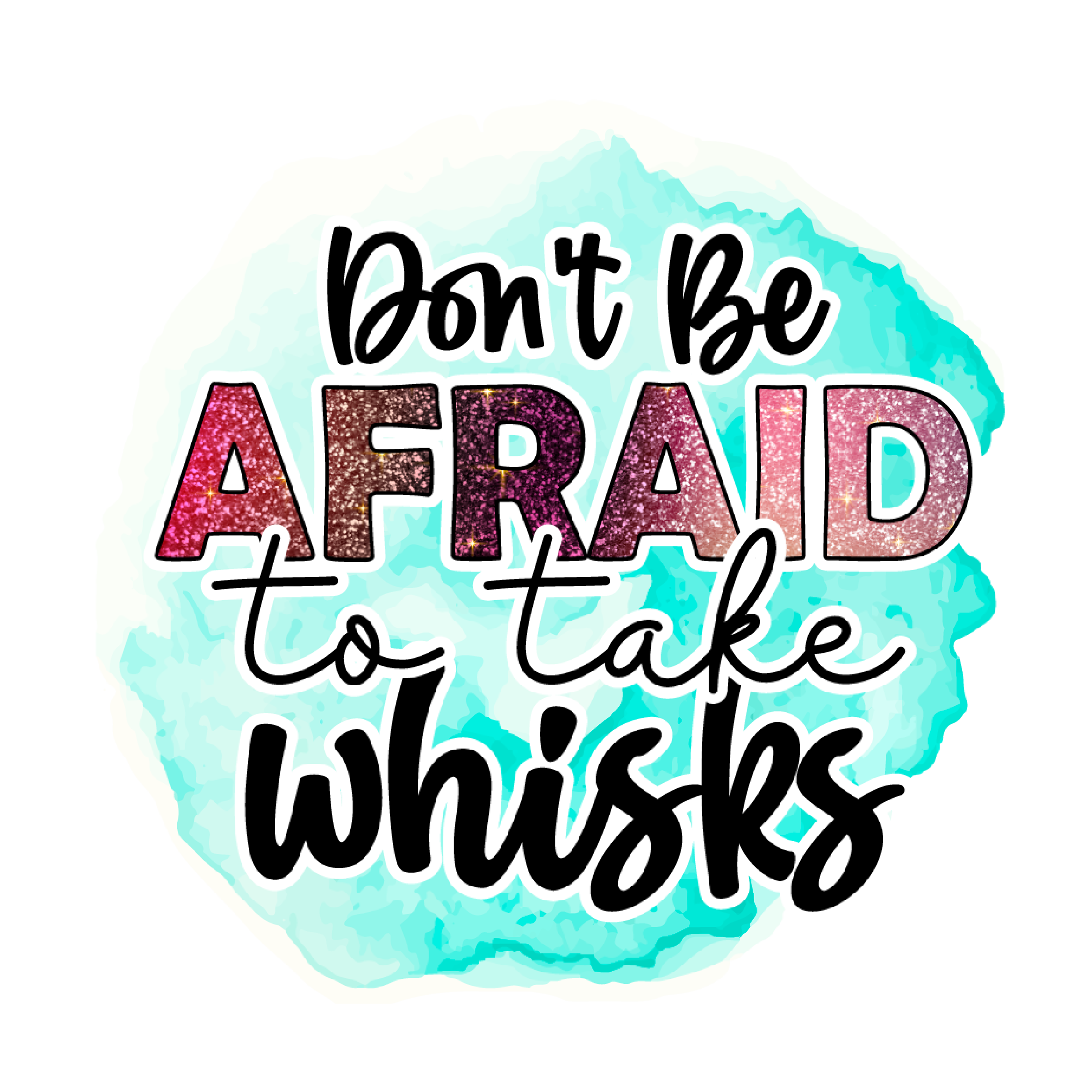
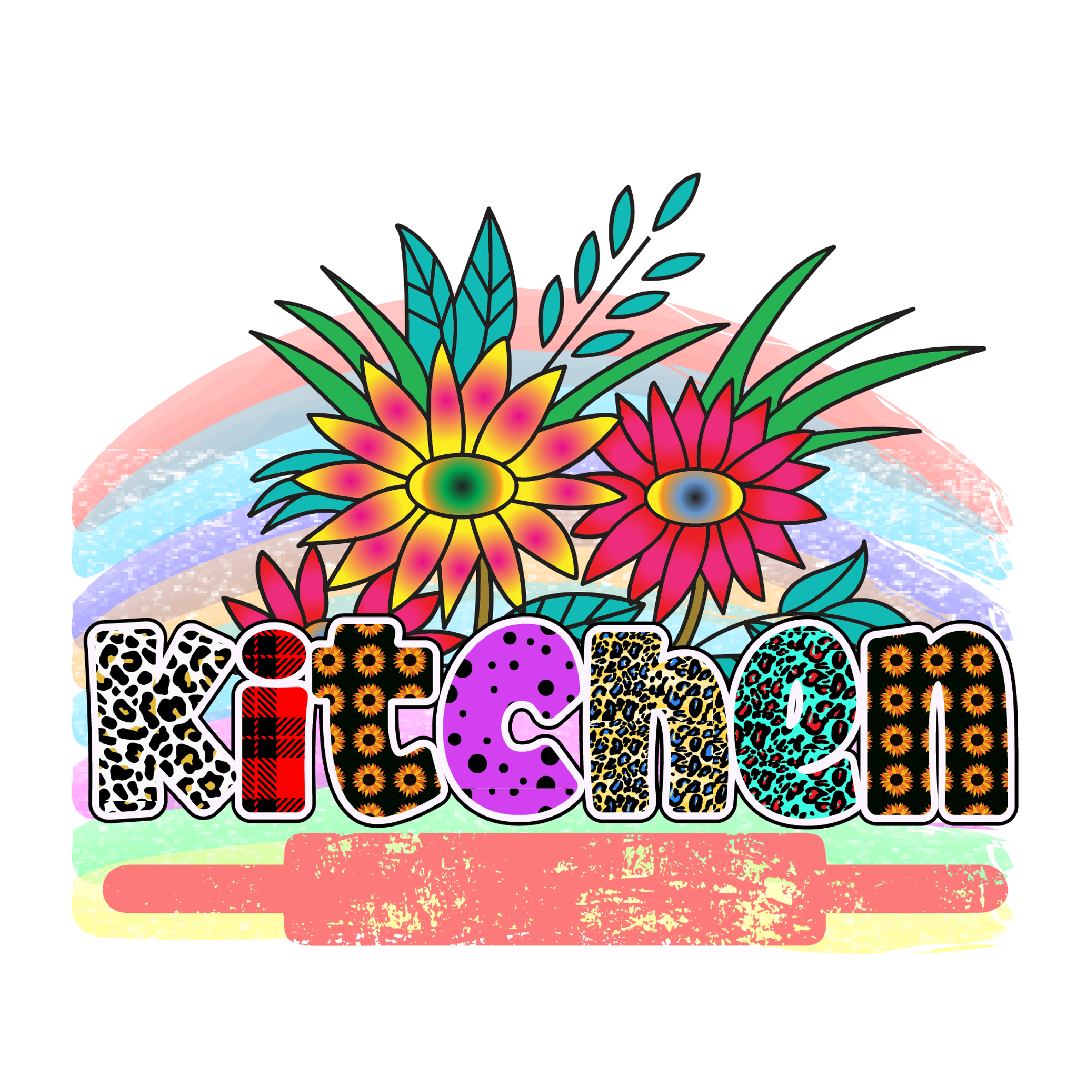
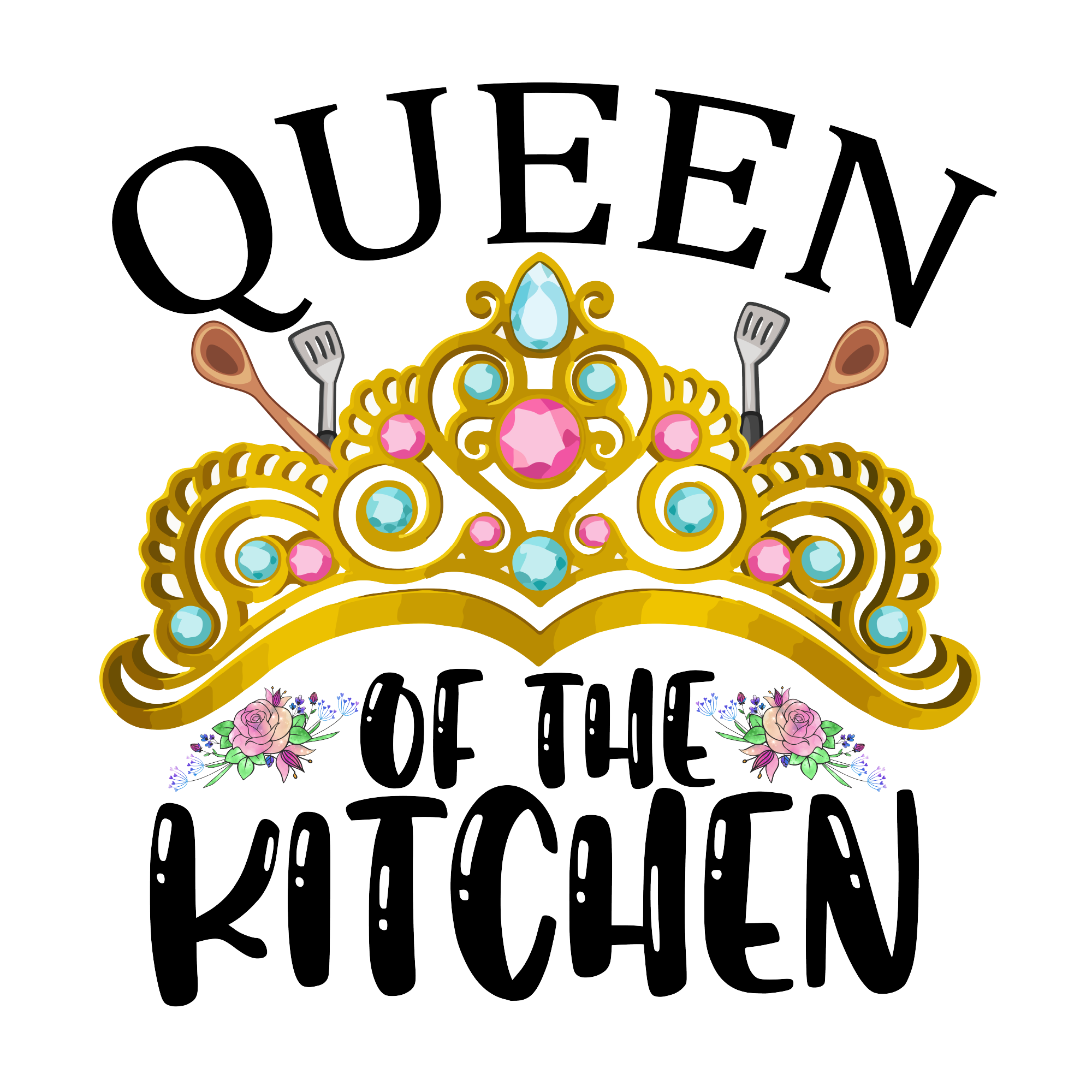
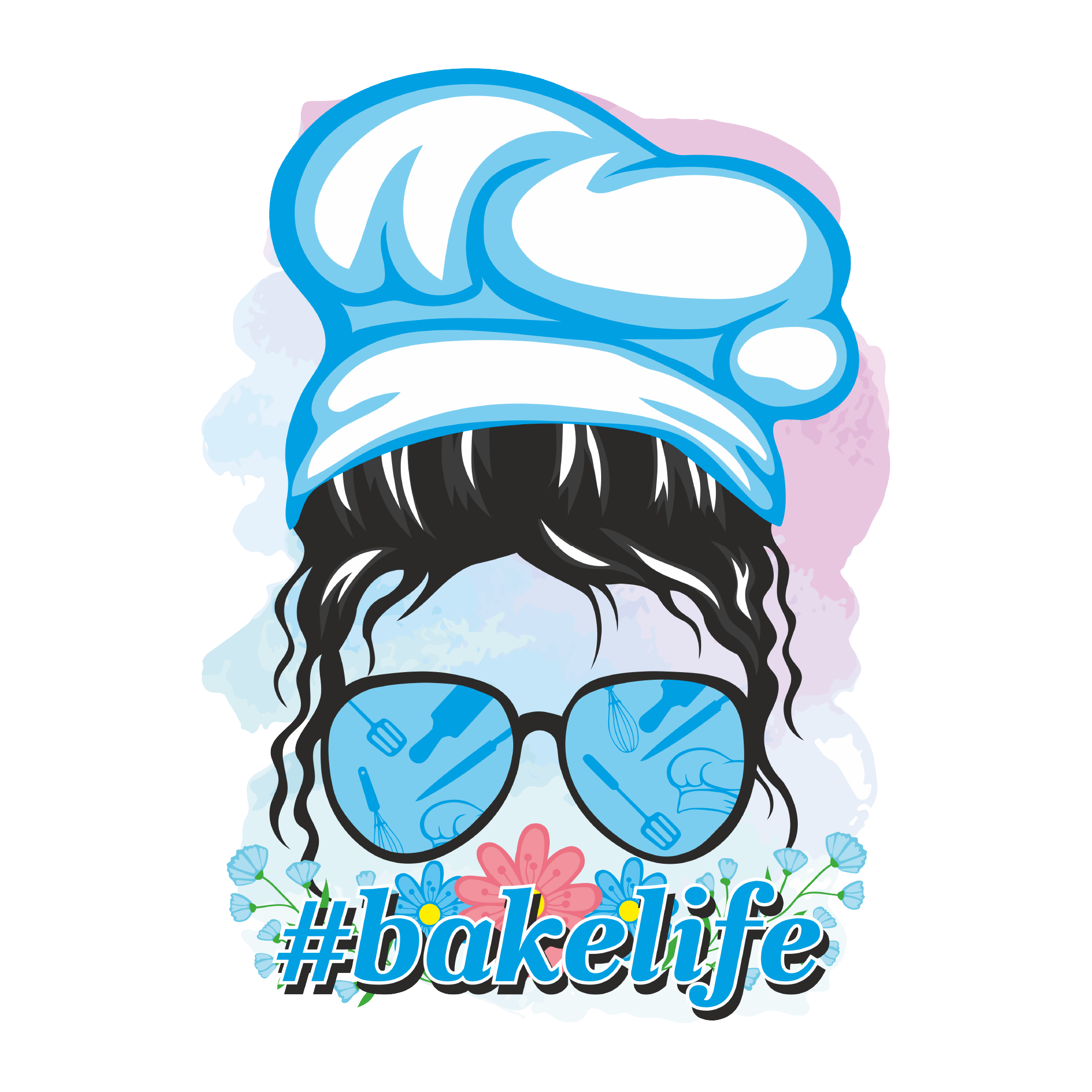
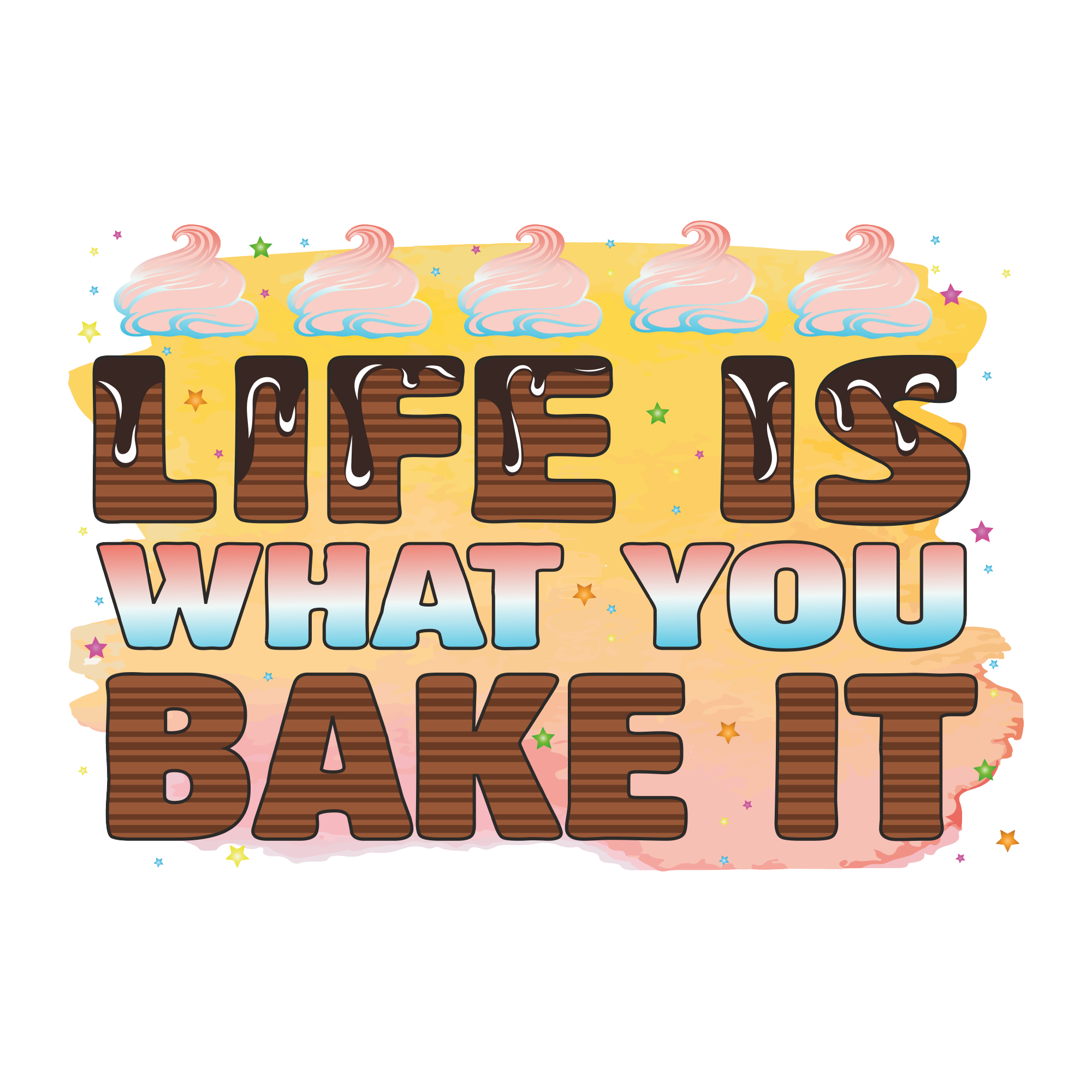
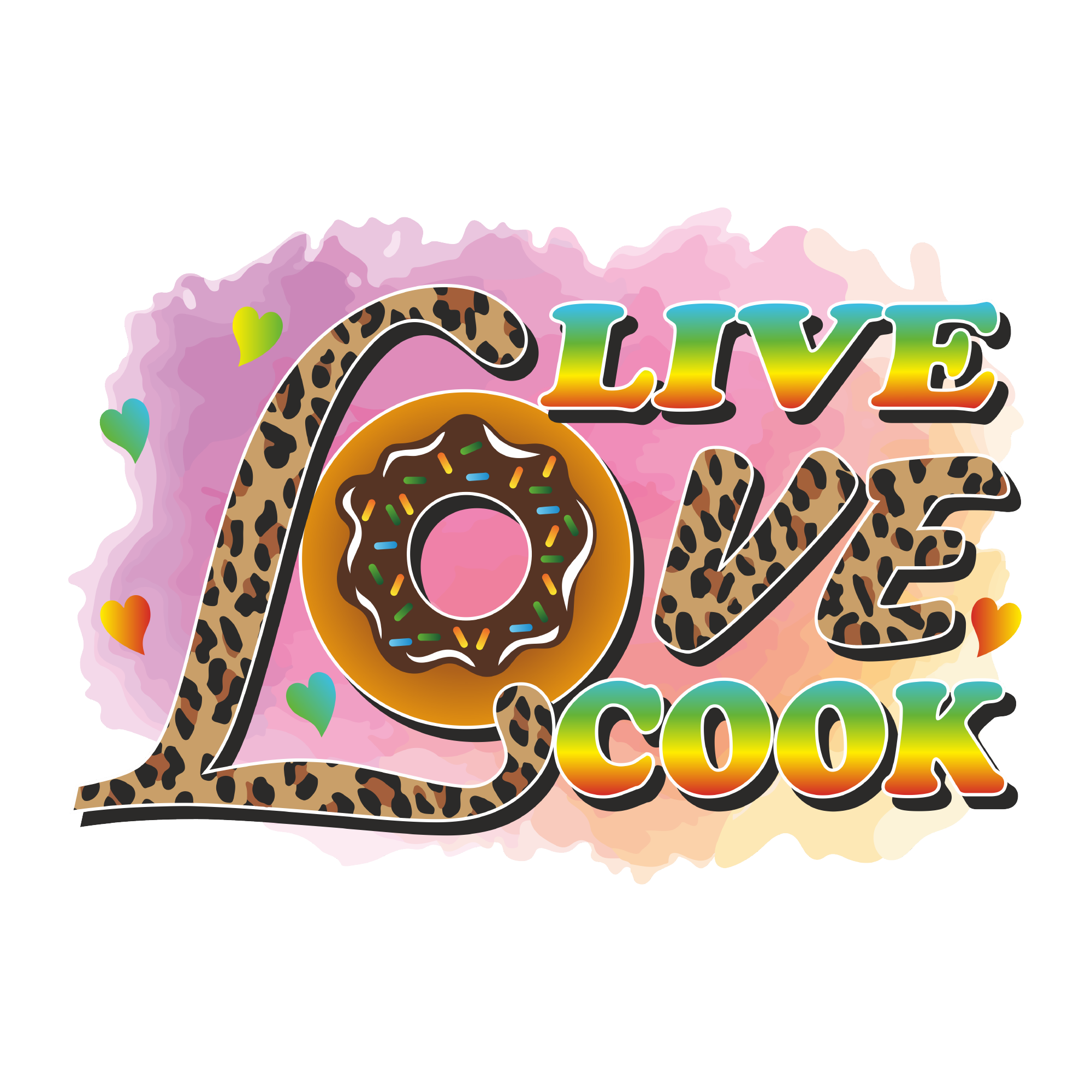
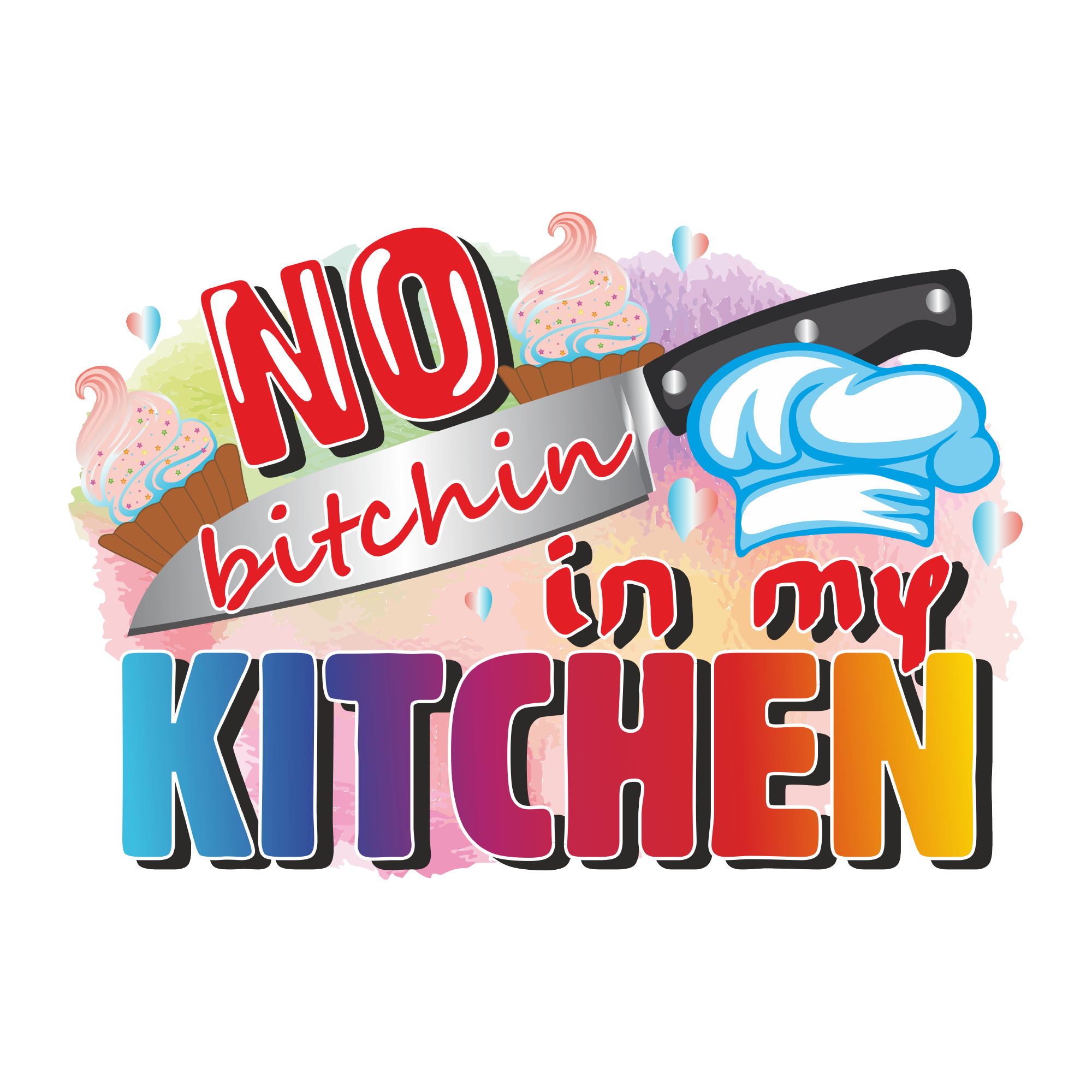
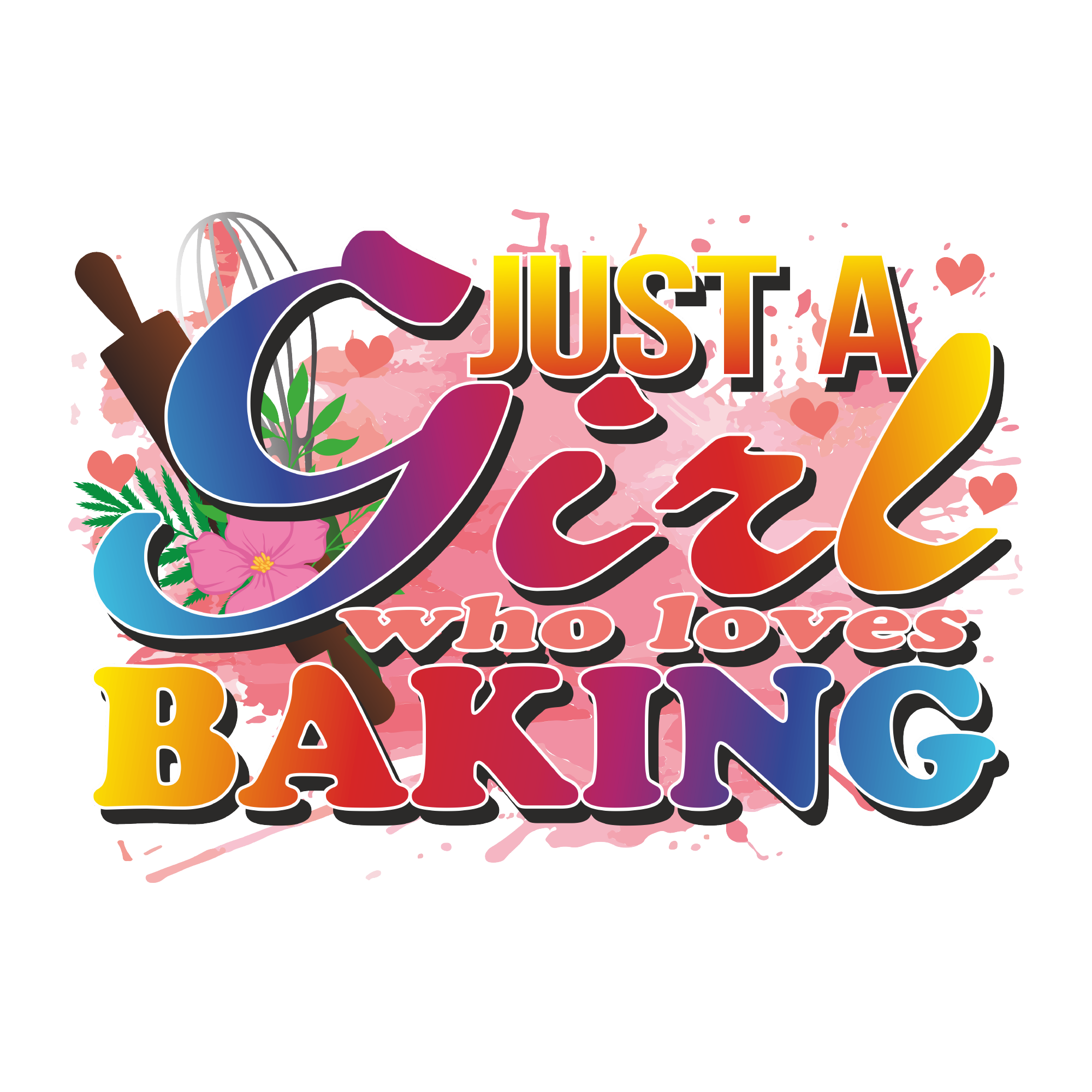
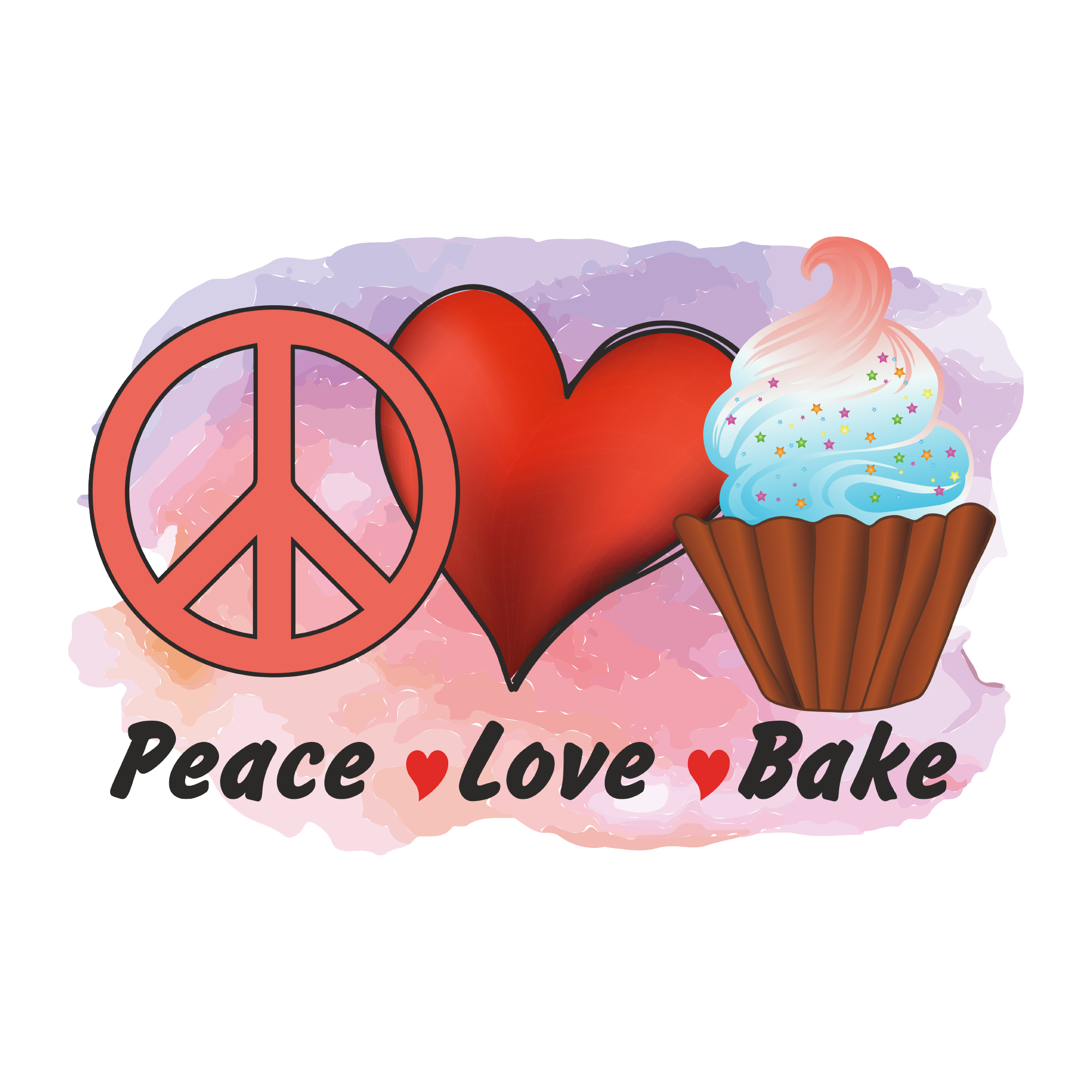
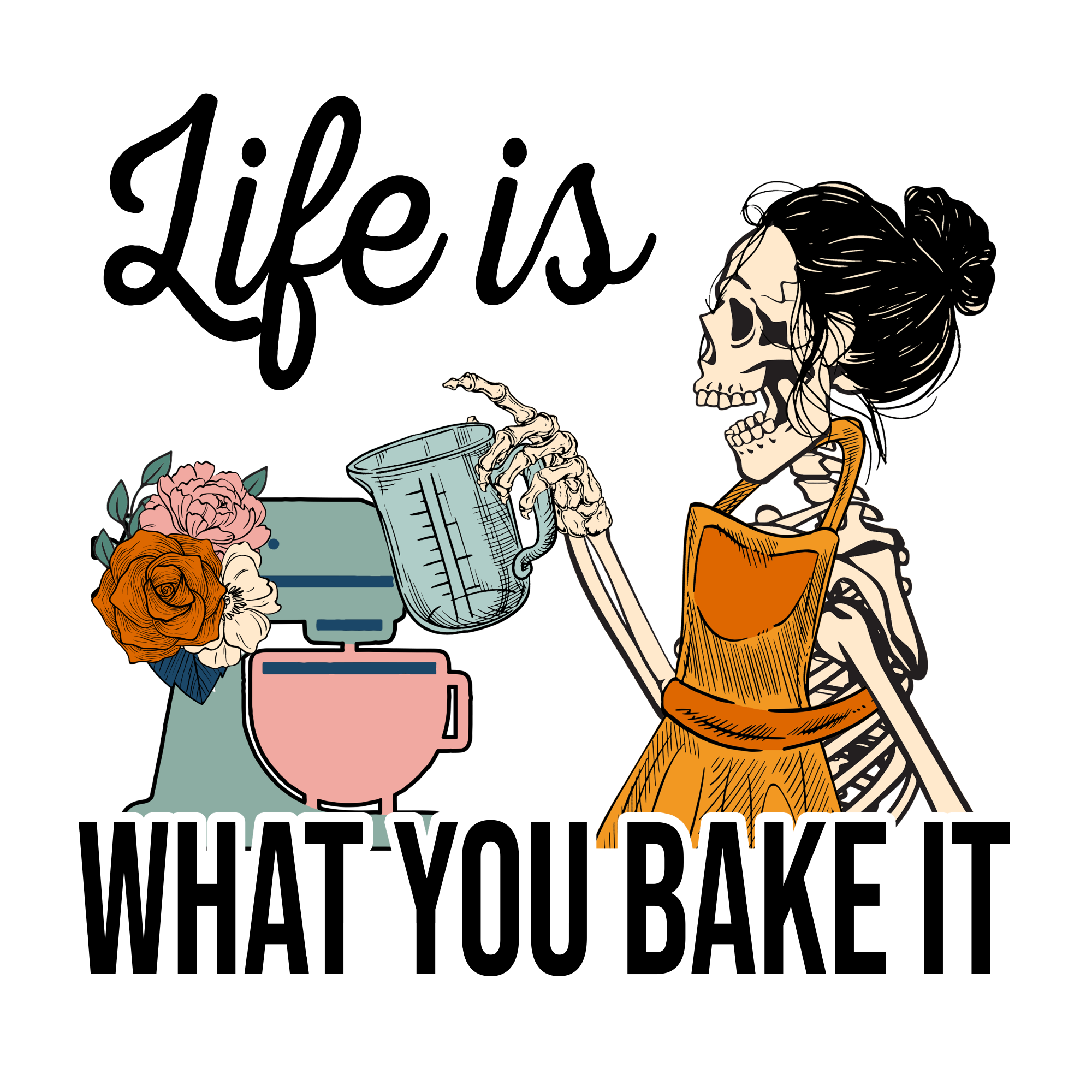
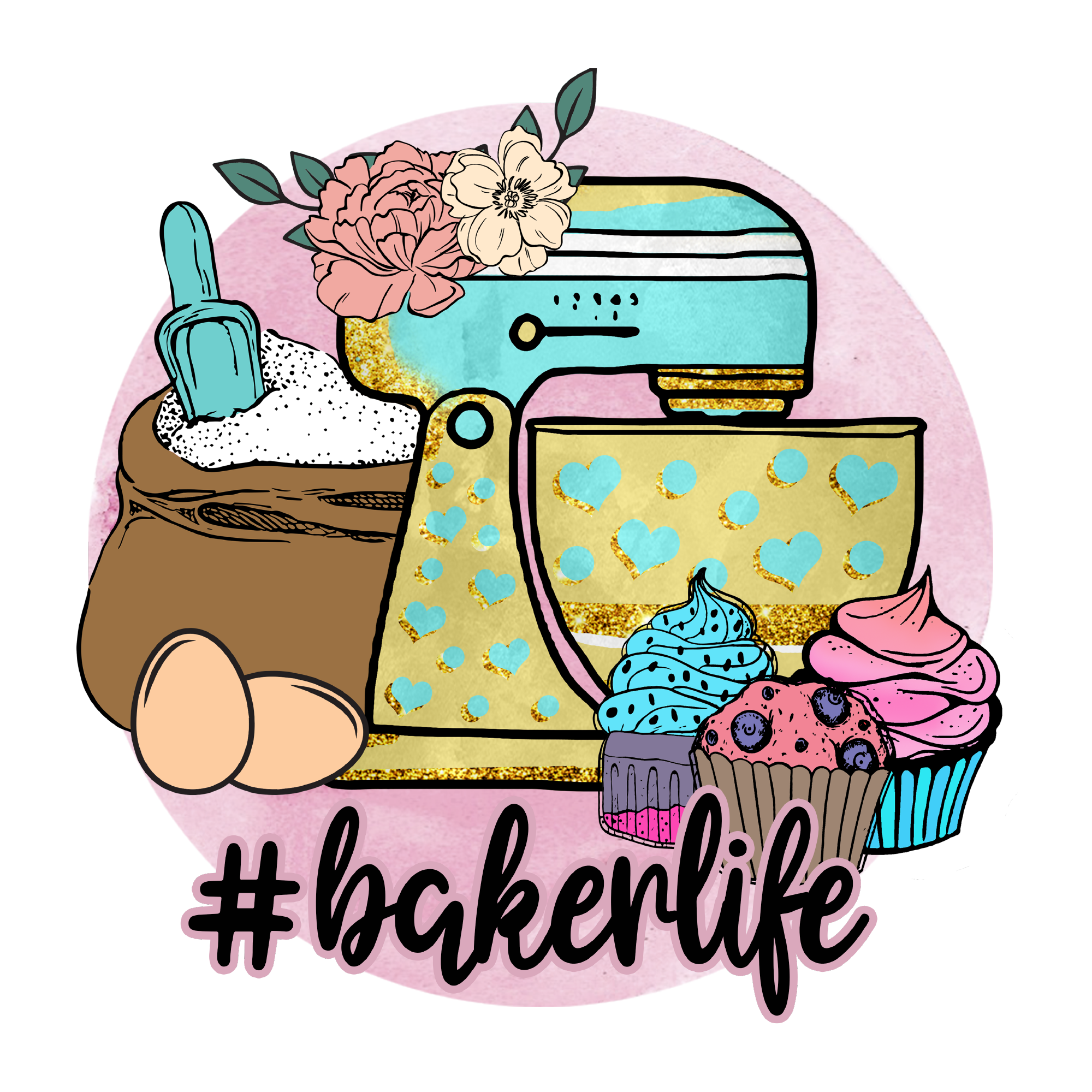
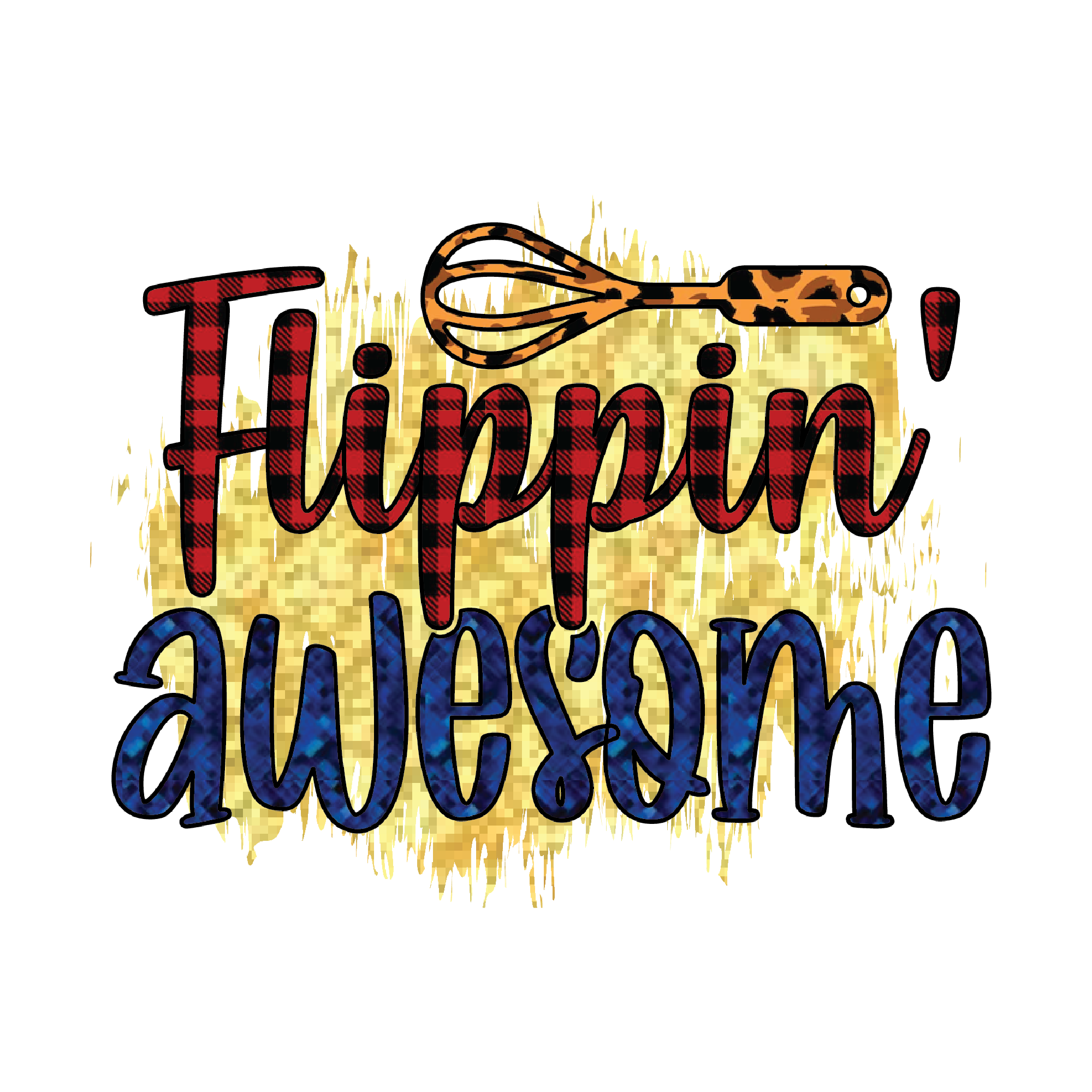
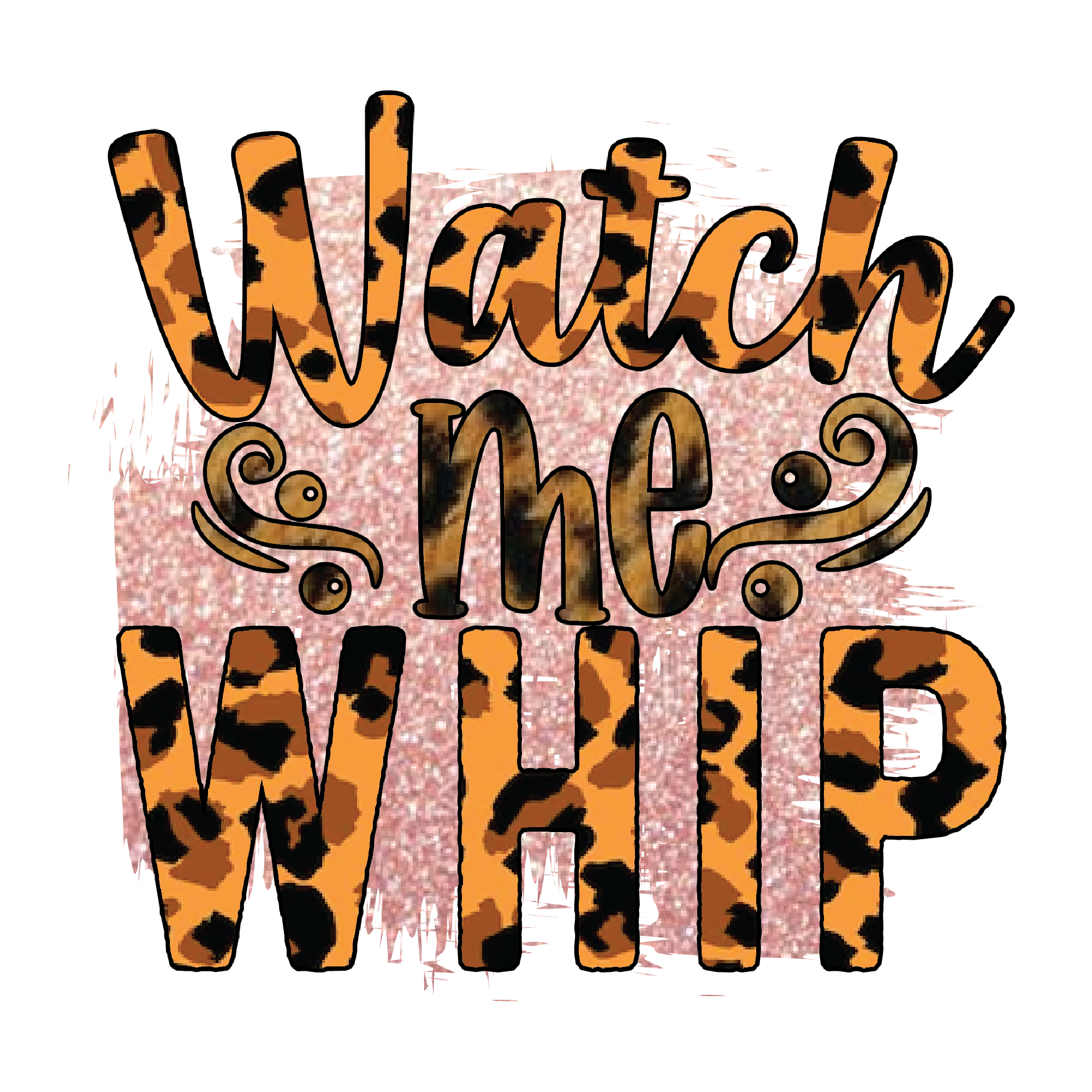
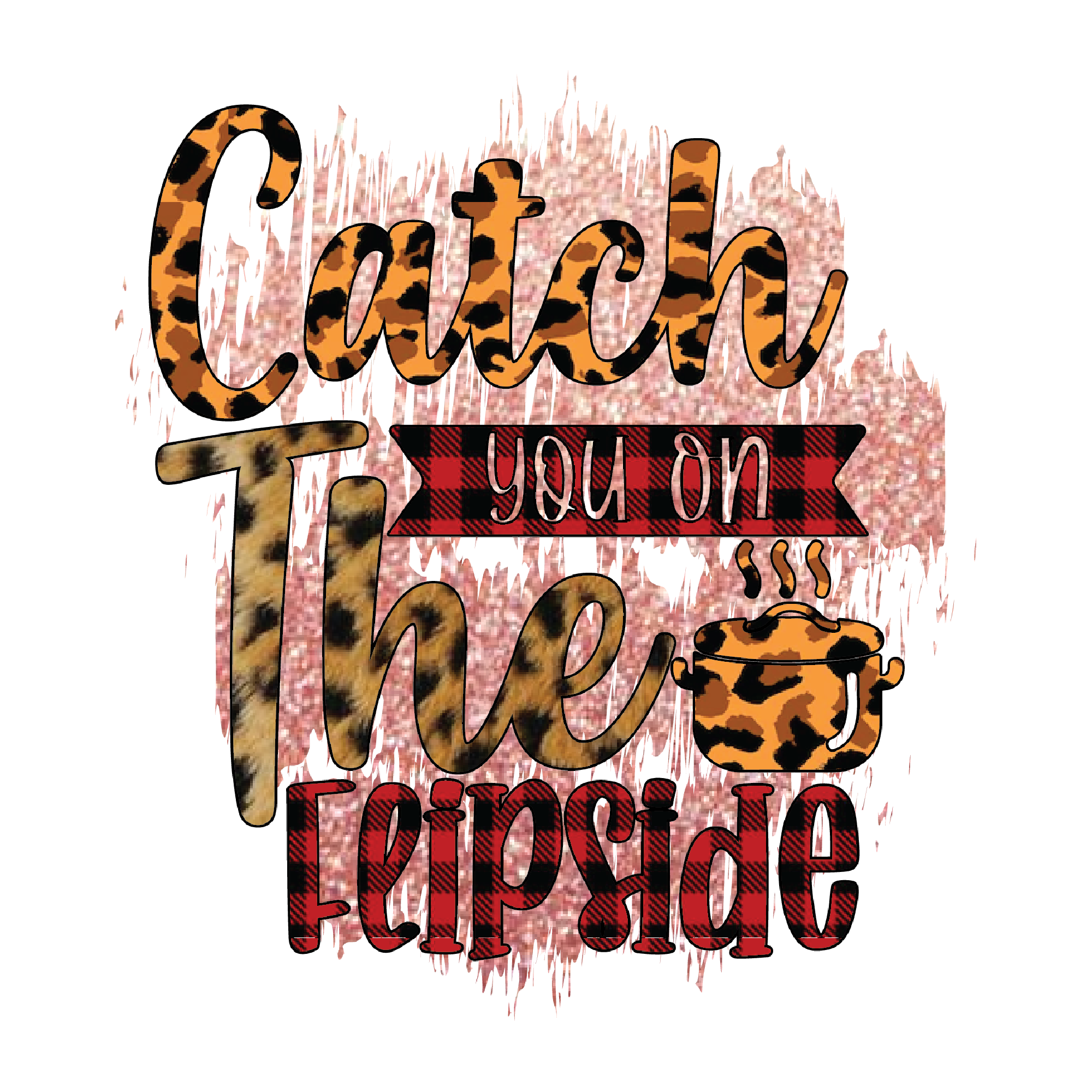
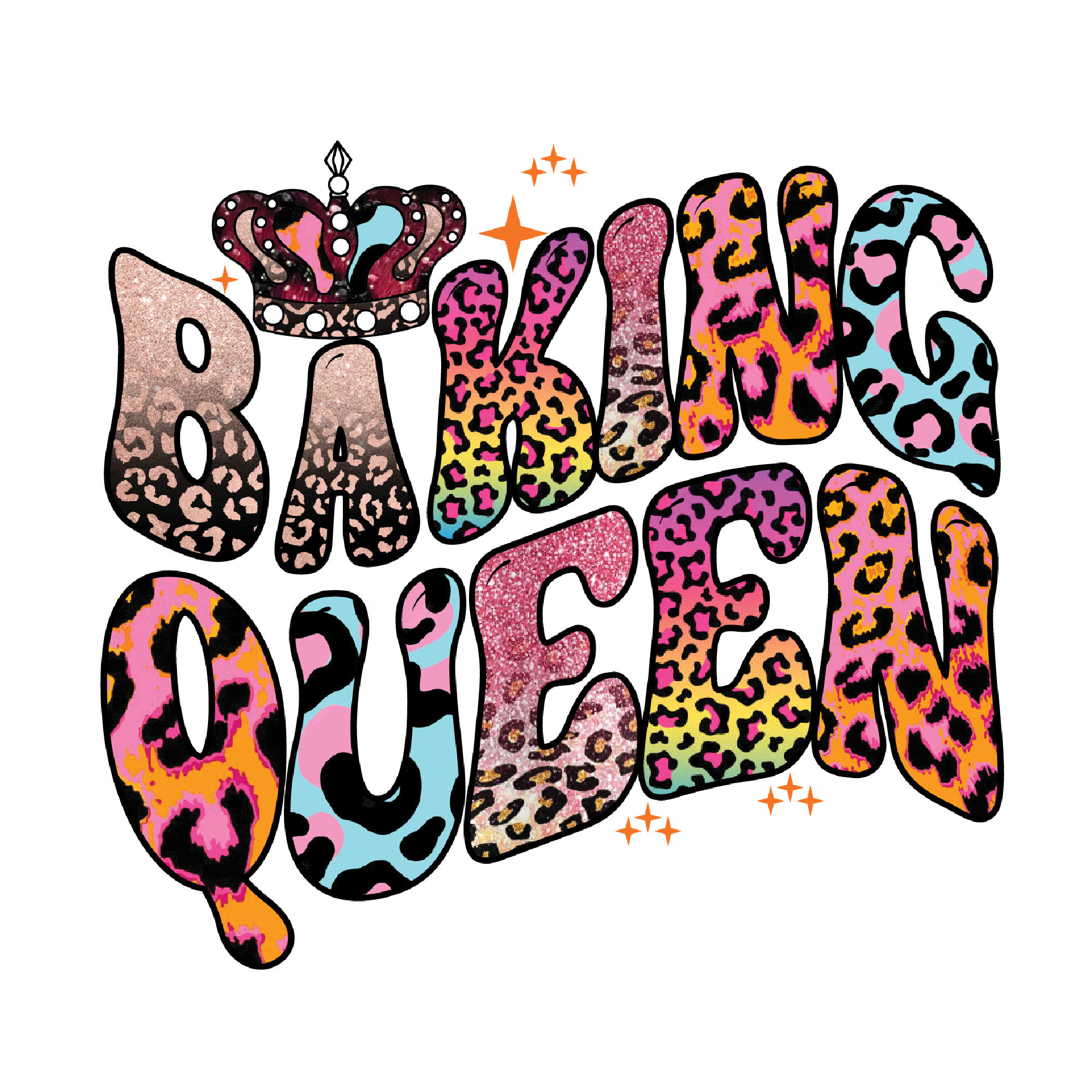
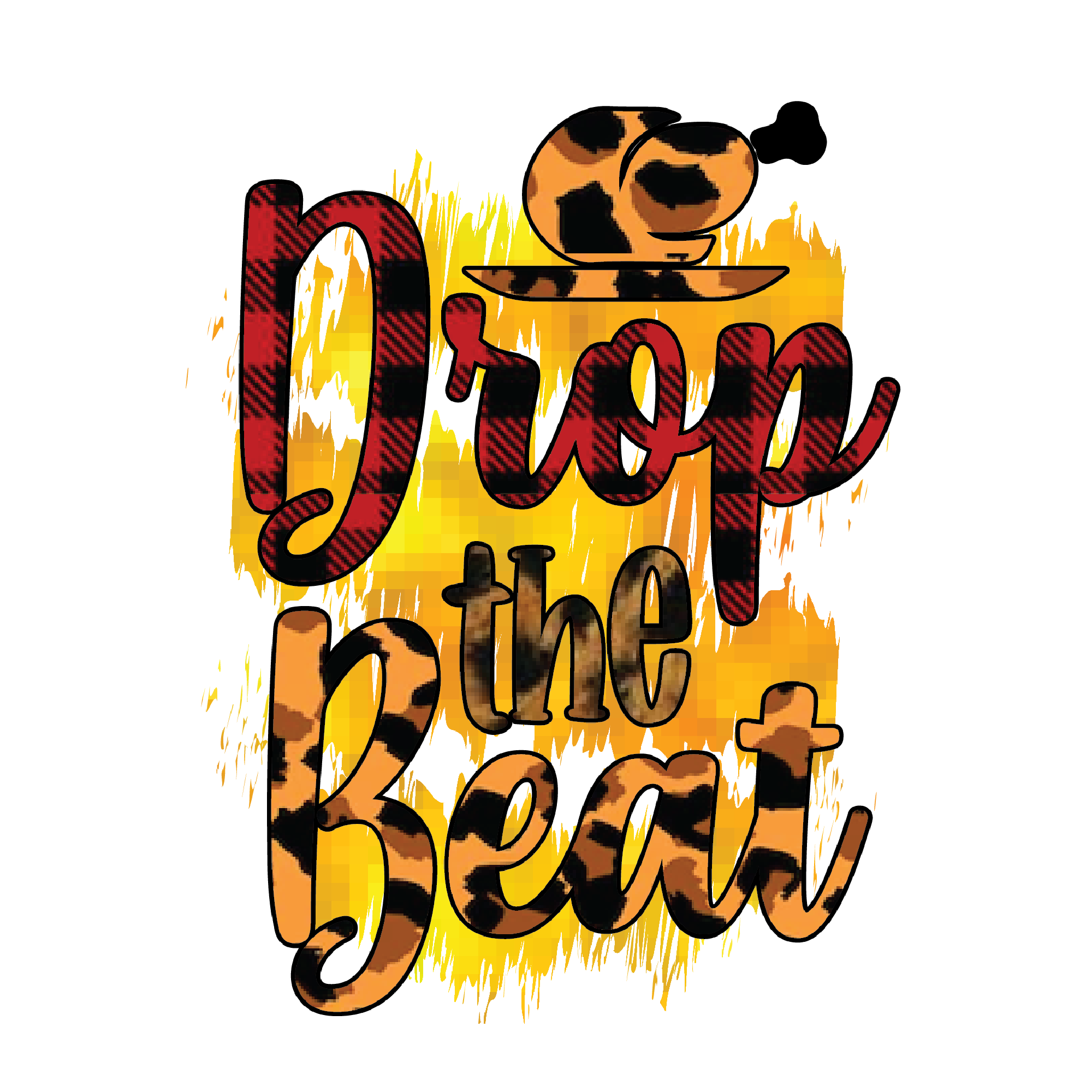
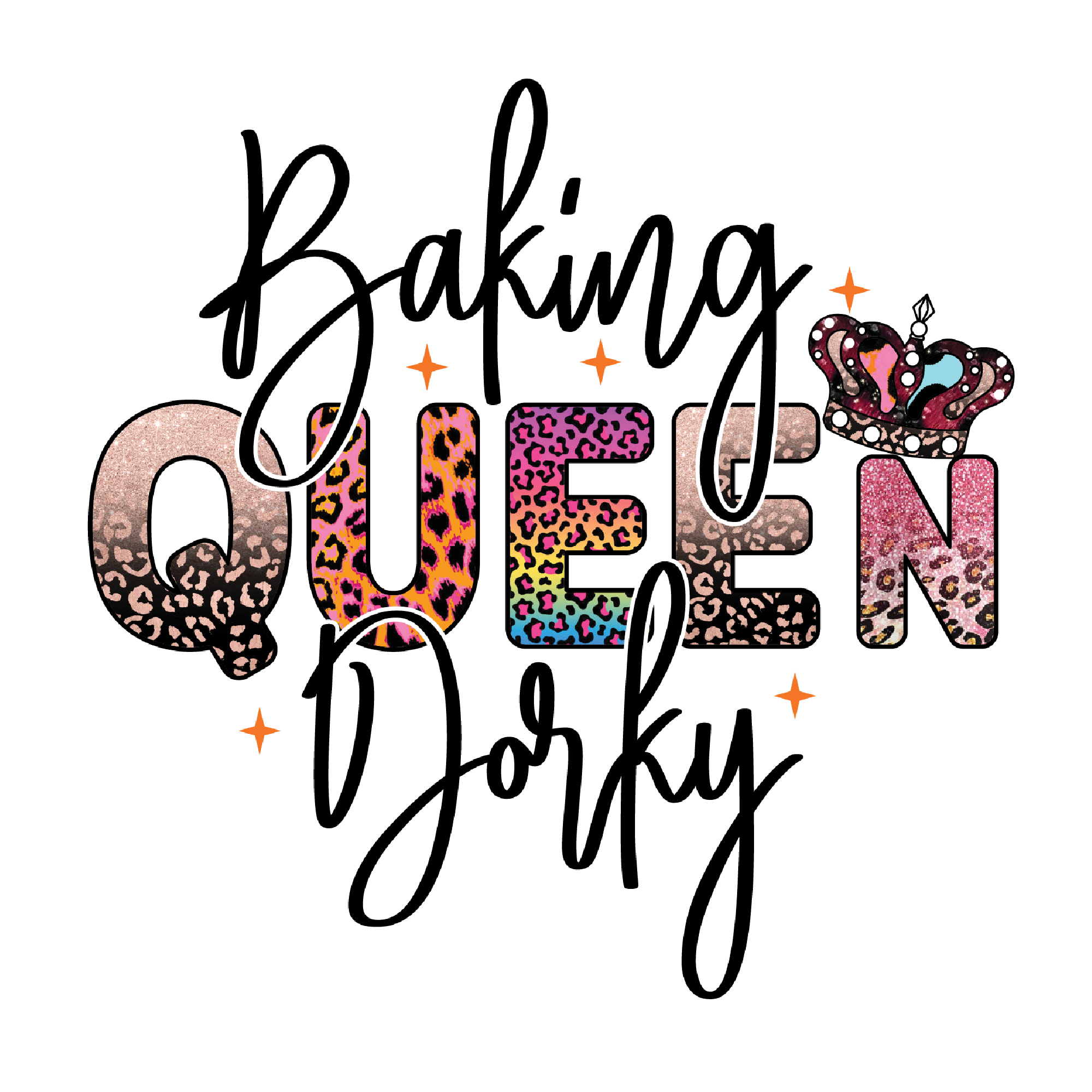
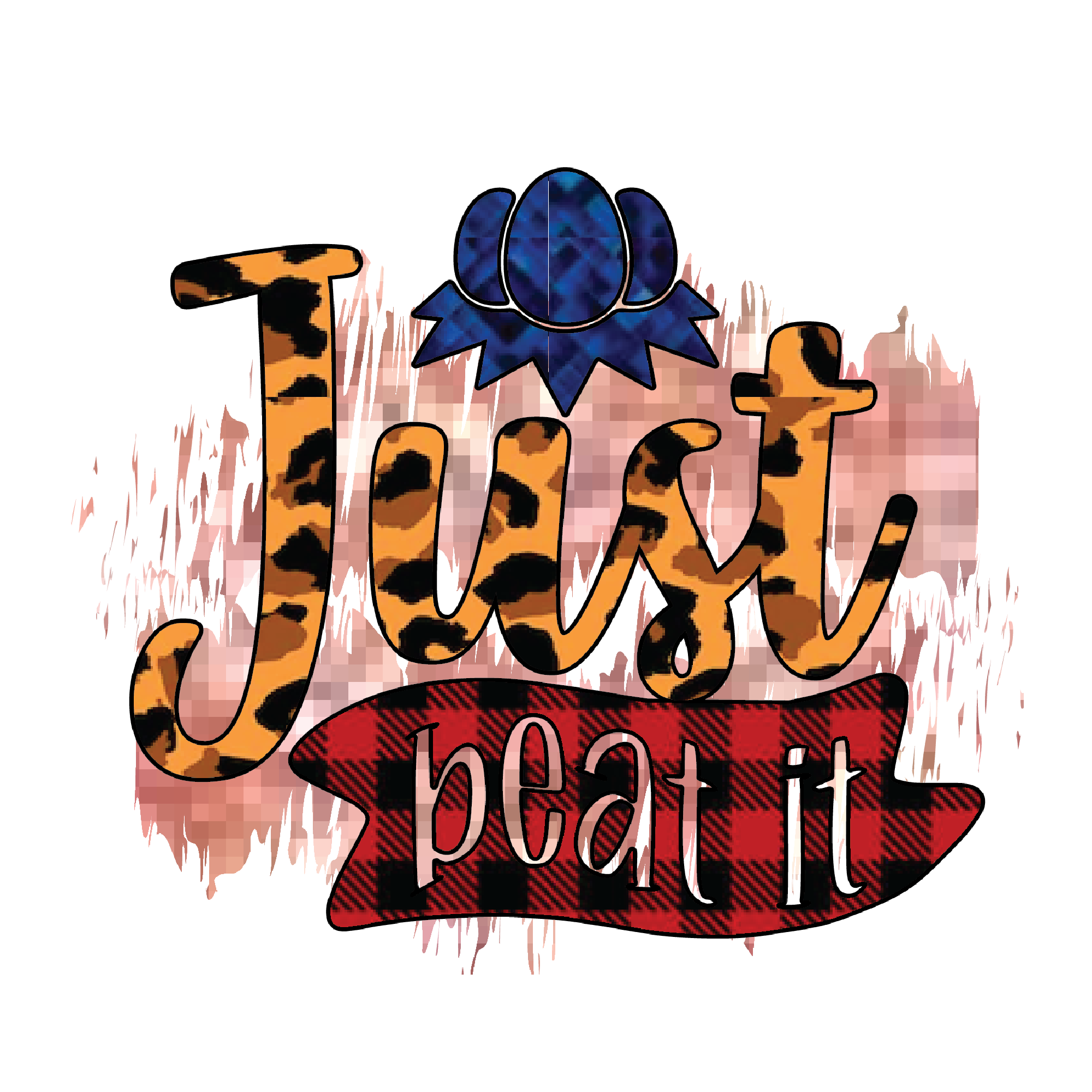
50 kitchen designs, drawn as full-colour sublimation art, printed rather than cut. The set covers utensils, pantry labels, recipe lettering and kitchen-humour signs. They are made for mugs, tumblers, kitchen towels, pantry labels, aprons, cutting-board vinyl and bar-cart signs.
50 designsSublimationsNew
 Included with the Maker plan
 Included with the Maker plan
 Included with the Maker plan
 Included with the Maker plan
 Included with the Maker plan
 Included with the Maker plan
 Included with the Maker plan
 Included with the Maker plan
 Included with the Maker plan
 Included with the Maker plan
 Included with the Maker plan
 Included with the Maker plan
 Included with the Maker plan
 Included with the Maker plan
 Included with the Maker plan
 Included with the Maker plan
 Included with the Maker plan
 Included with the Maker plan
 Included with the Maker plan
 Included with the Maker plan
 Included with the Maker plan
 Included with the Maker plan
 Included with the Maker plan
 Included with the Maker plan
 Included with the Maker plan
 Included with the Maker plan
 Included with the Maker plan
 Included with the Maker plan
 Included with the Maker plan
 Included with the Maker plan
 Included with the Maker plan
 Included with the Maker plan
 Included with the Maker plan
 Included with the Maker plan
 Included with the Maker plan
 Included with the Maker plan
 Included with the Maker plan
 Included with the Maker plan
 Included with the Maker plan
 Included with the Maker plan
 Included with the Maker plan
 Included with the Maker plan
 Included with the Maker plan
 Included with the Maker plan
 Included with the Maker plan
 Included with the Maker plan
 Included with the Maker plan
What people make with kitchen sublimations
Mugs, tumblers, kitchen towels, pantry labels, aprons, cutting-board vinyl and bar-cart signs — those are the pieces this collection gets used for. In this format they go on polyester shirts, poly-coated tumblers, mousepads, ceramic mugs and sublimation blanks — polyester or a poly coating only, never untreated cotton.
Printing and pressing
Sublimation is not a cutting job — nothing here gets weeded. Print onto sublimation paper with sublimation ink, then press at roughly 385–400°F for 45–60 seconds depending on the blank. The ink turns to gas and bonds into the polyester, which is why it only works on polyester or a poly-coated surface, and why it will not show on cotton or on a dark garment.
Getting kitchen designs right
Sublimation ink bonds only to polyester and polymer coating, so the blank decides the result more than the artwork does — the same file is vivid on a coated mug and washed out on cotton. Pantry labels are a set that must match. Cut them in one merged run so spacing is identical across all thirty. Anything that touches food or goes through a dishwasher needs permanent vinyl and a hand-wash caveat. Keep the design at least half an inch below a mug rim — that is the zone a dishwasher jet attacks first.
Exporting for your machine
Export PNG at final physical size and at least 300 DPI, then print onto sublimation paper. There is no cut line and no weeding — the design is pressed into polyester, not cut from vinyl.
Cut, score, draw and engrave operations are written as named layers, so Cricut Design Space, Silhouette Studio and laser software map them to the right tool without manual reassignment. For a printed sheet, the print-then-cut guide covers registration and bleed.
Kitchen in other formats
The same theme drawn for a different medium — printed, pressed or cut.
More sublimations collections
All sublimationsQuestions
Open a kitchen design now
Free, in the browser, no install. Edit it and export a cut-ready file in minutes.