Autism sublimation designs
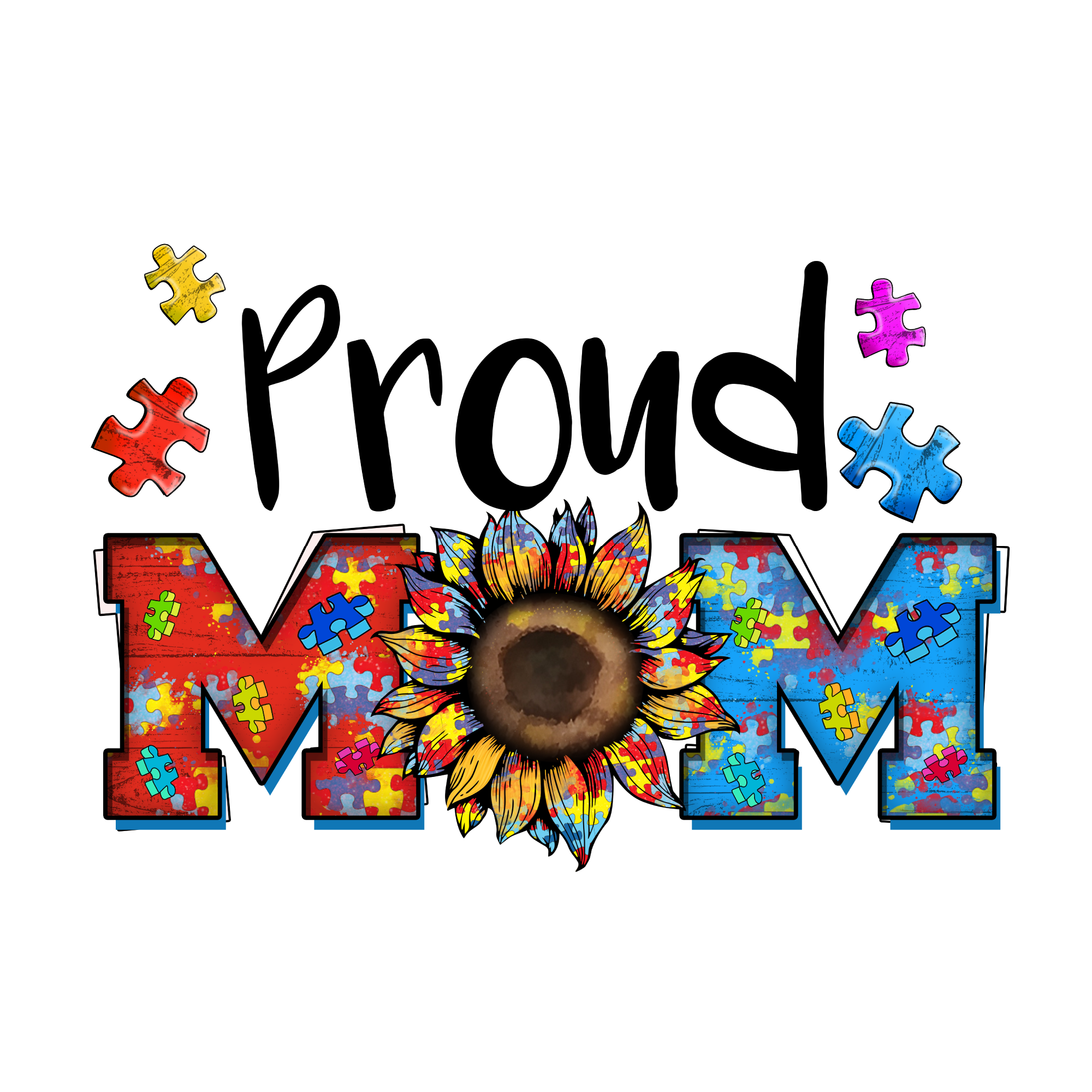
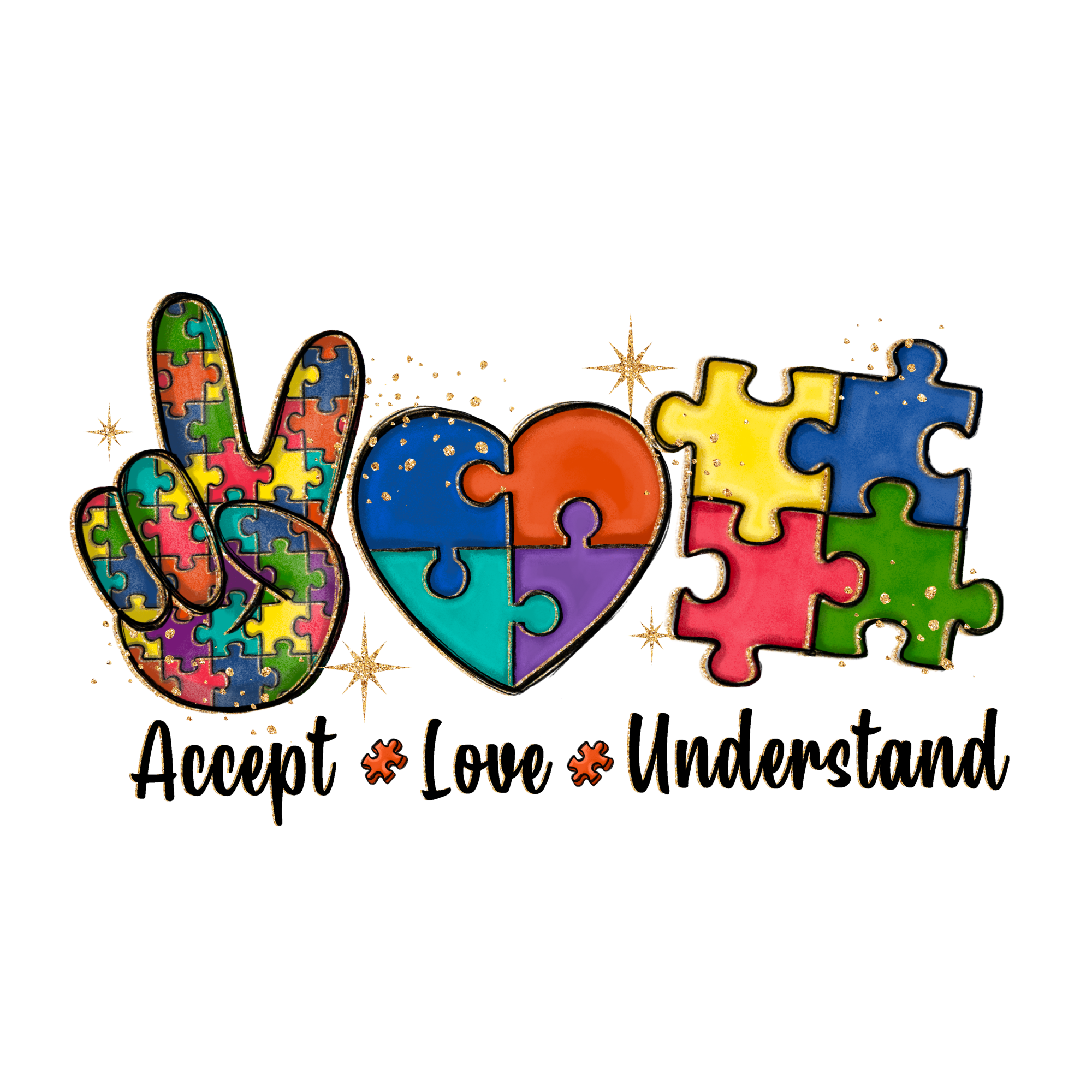
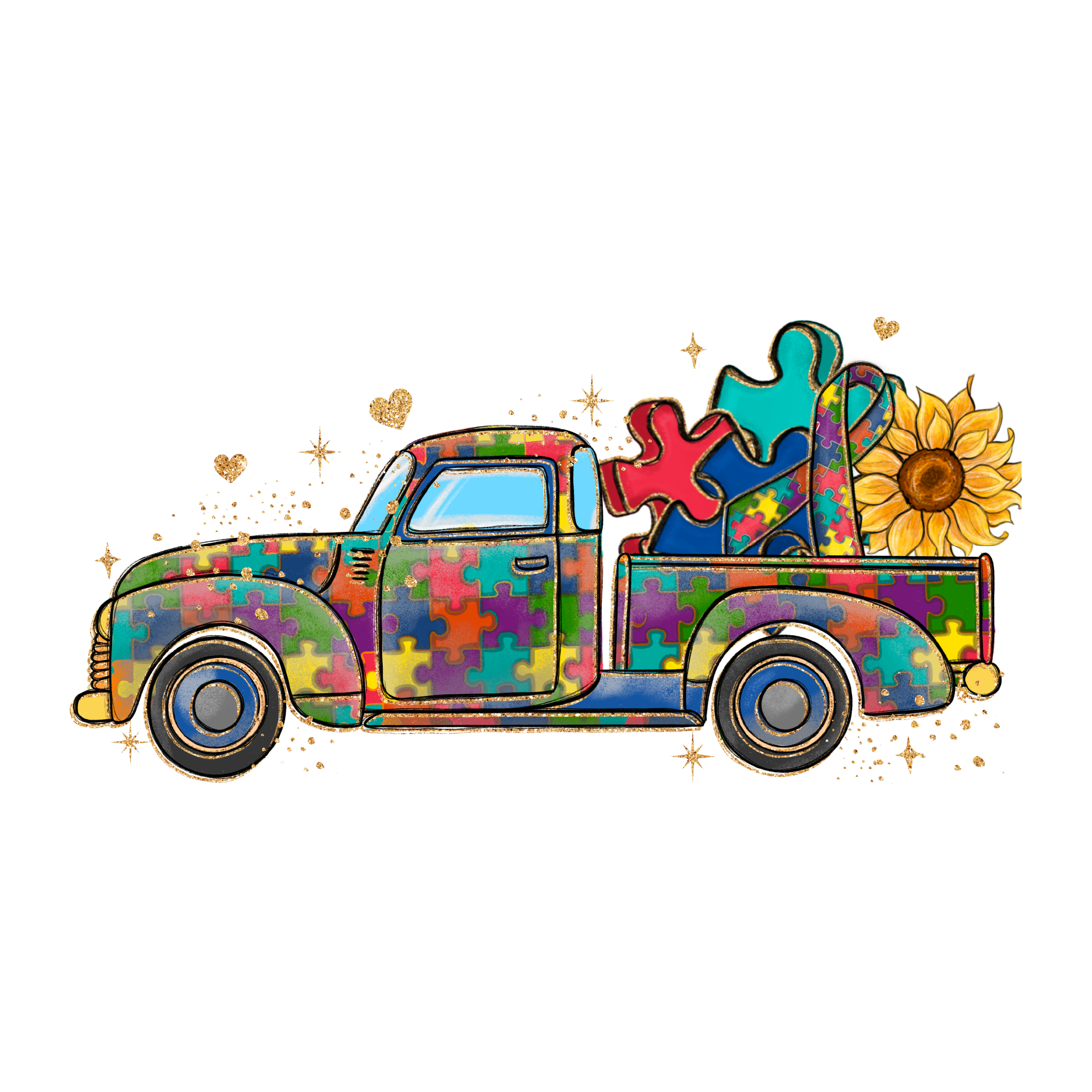
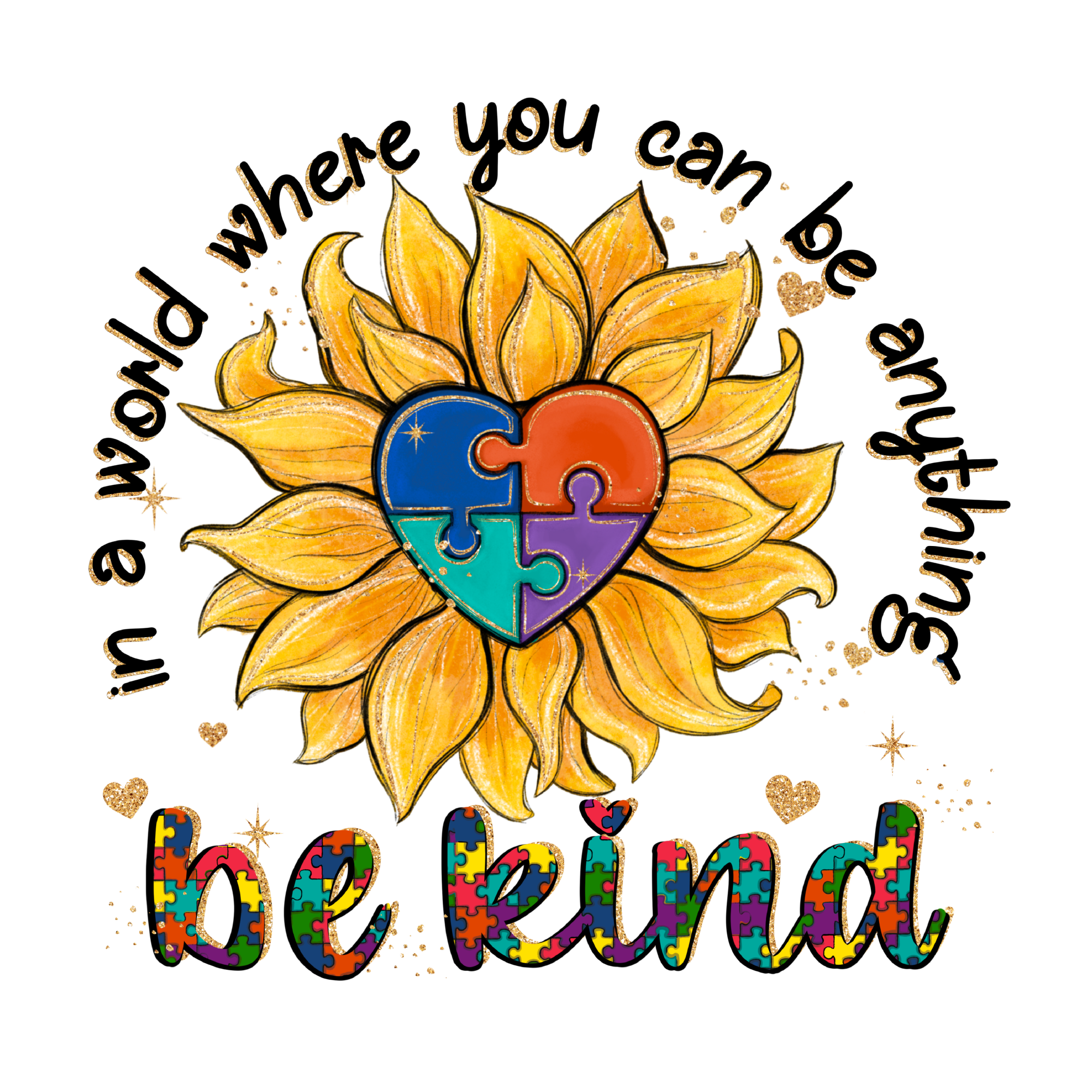
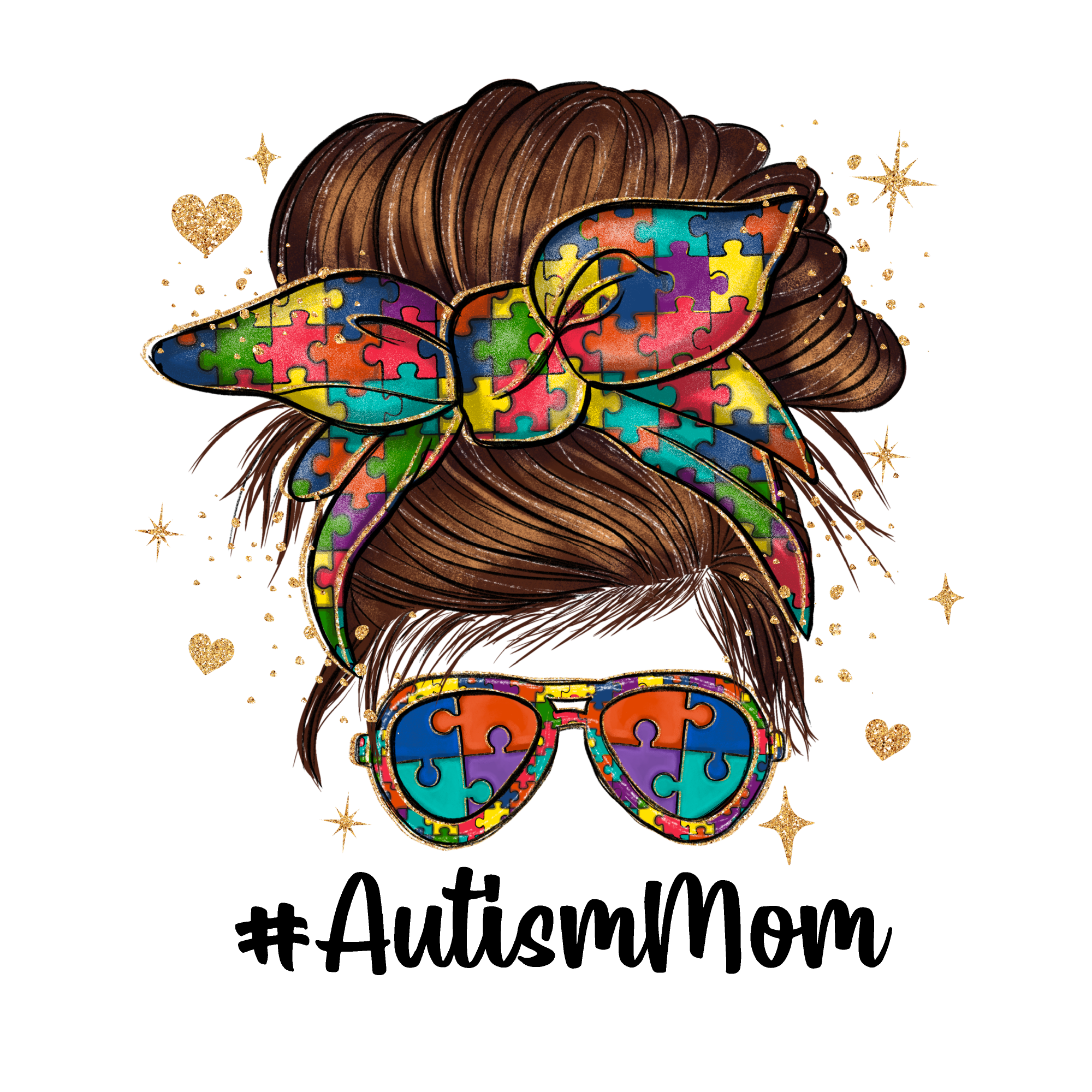
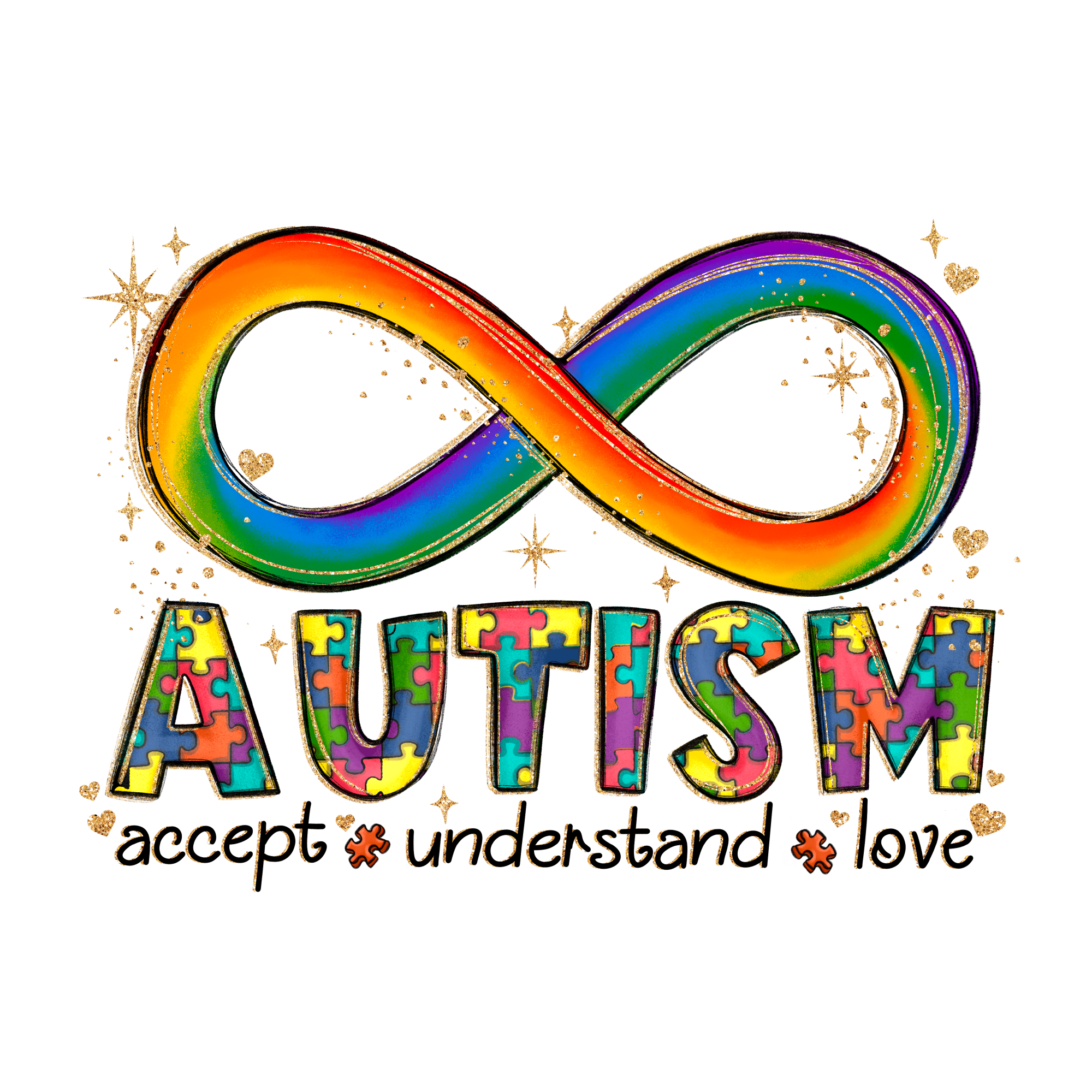
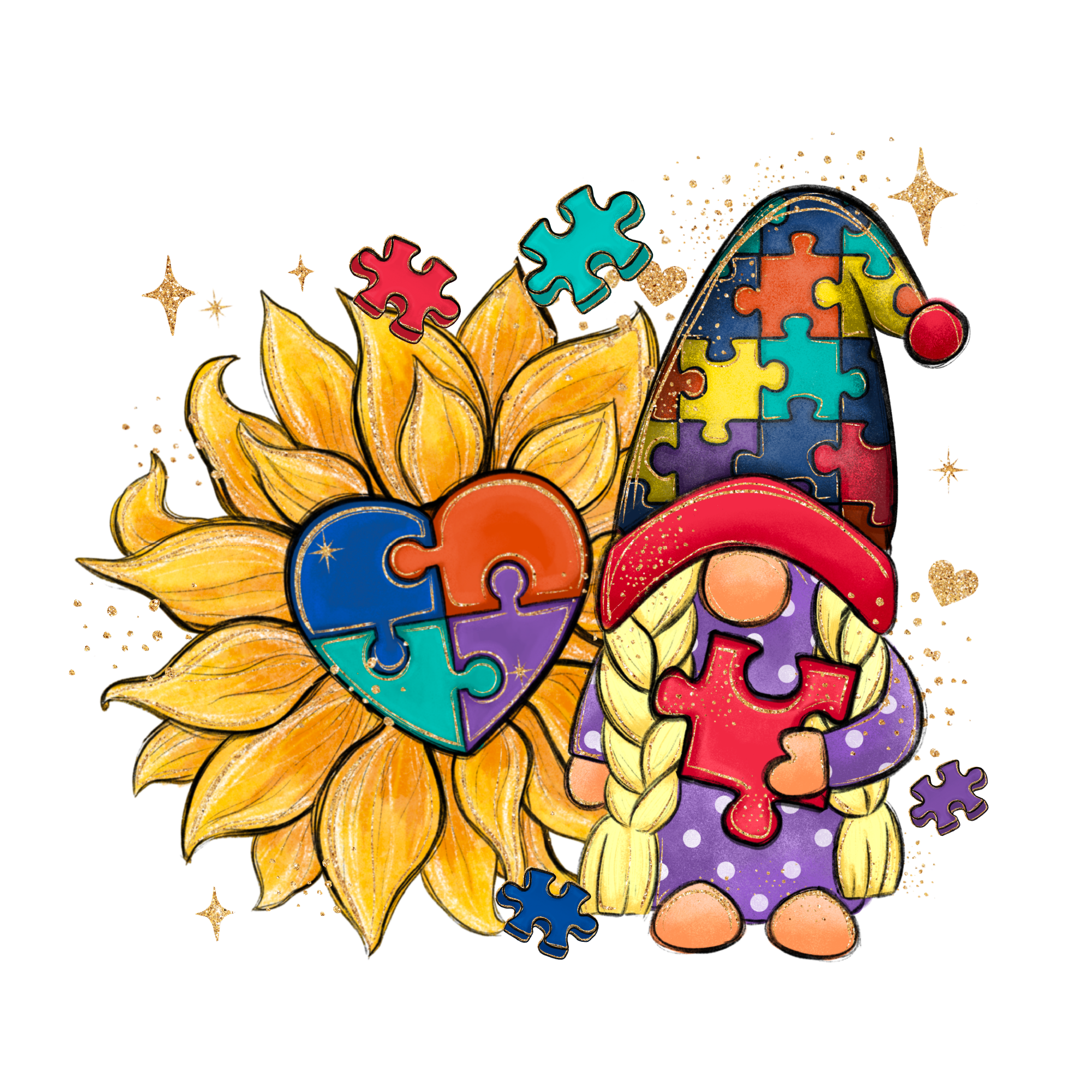
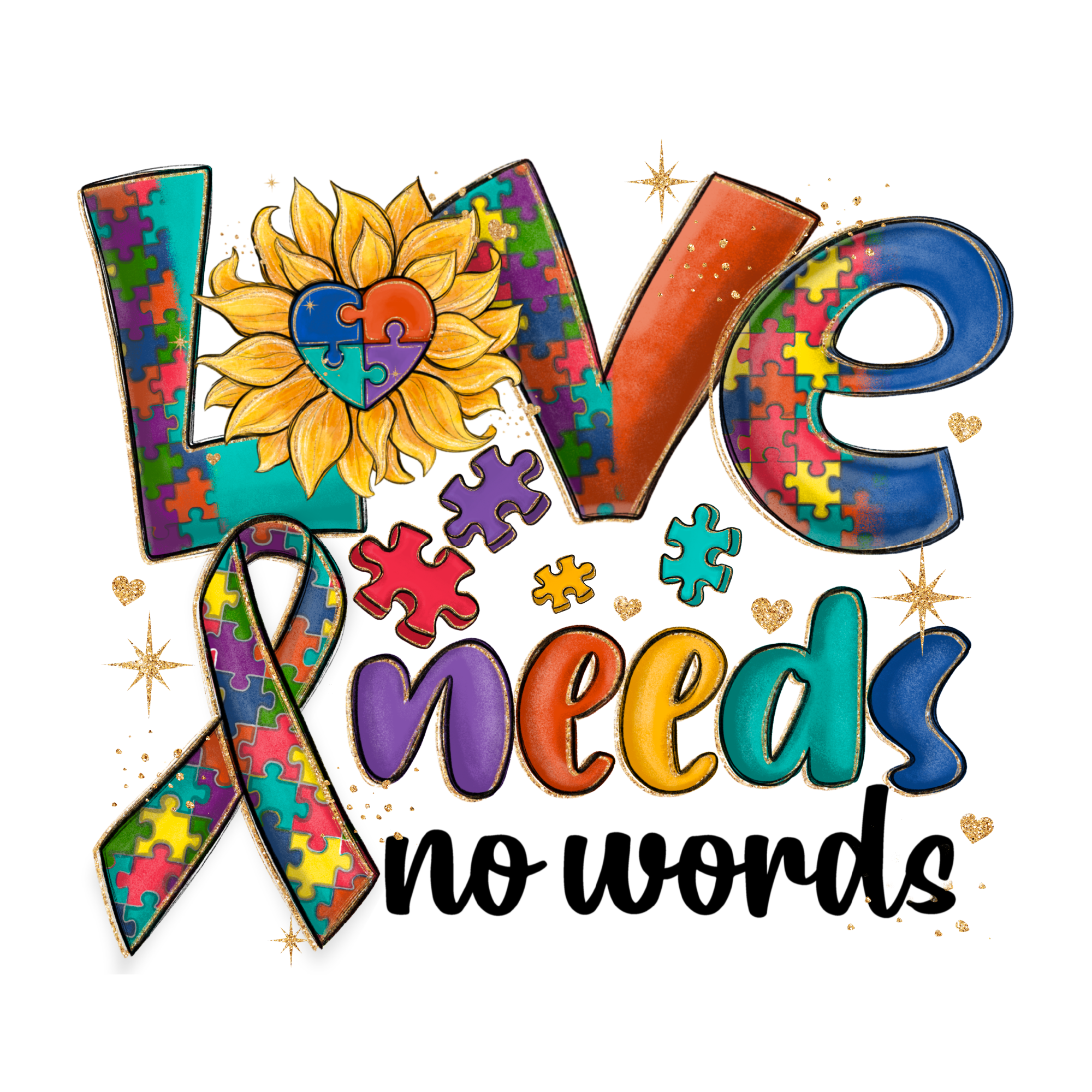
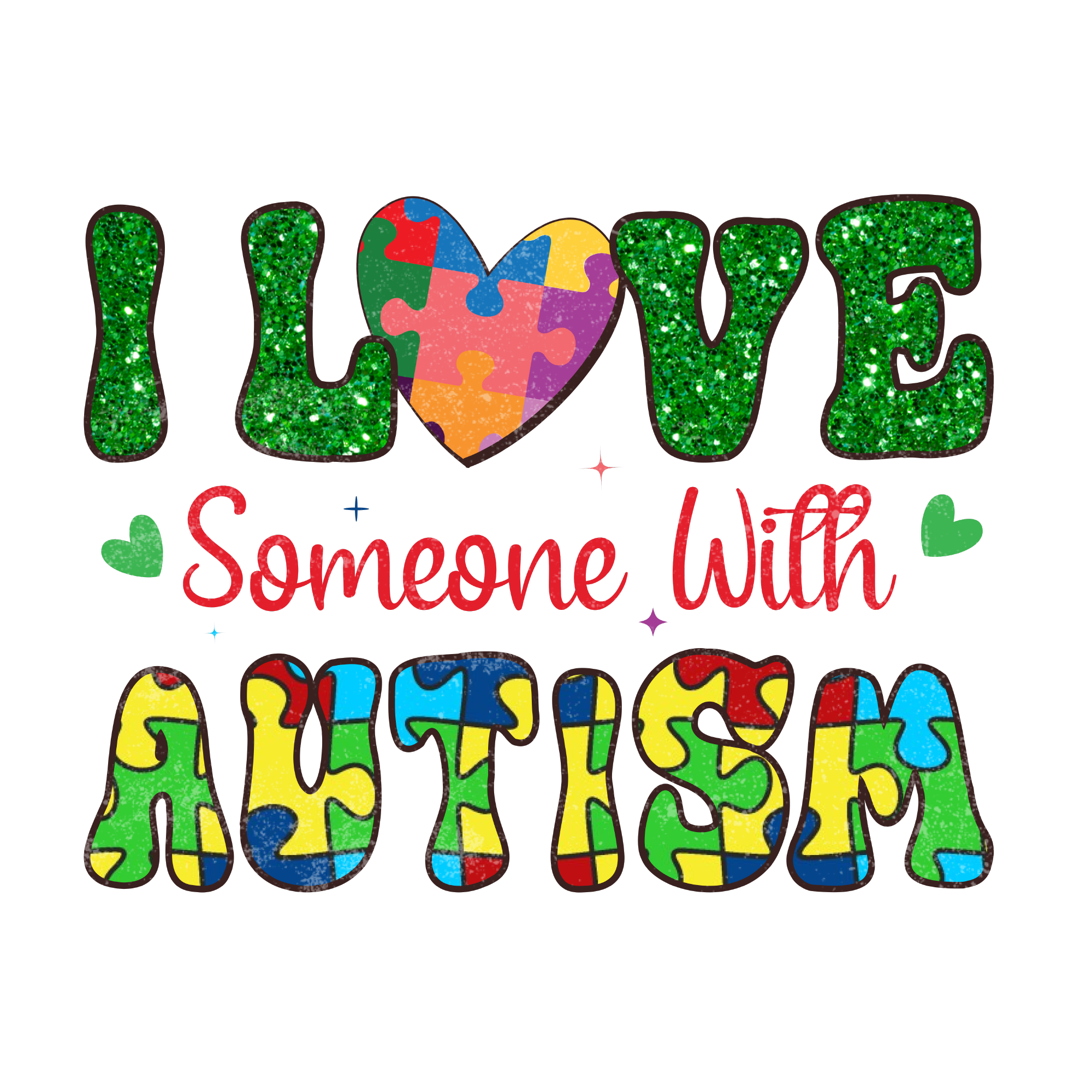
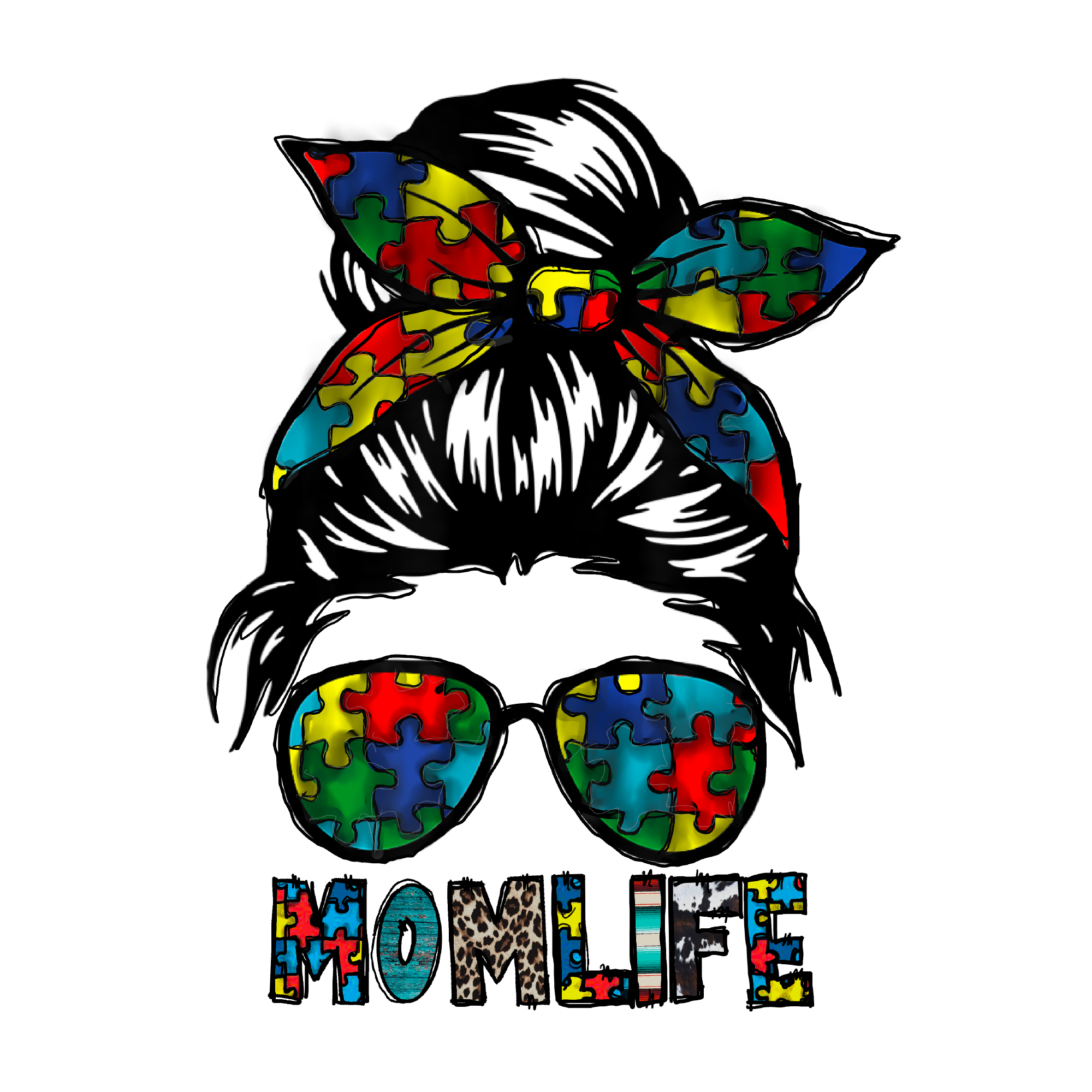
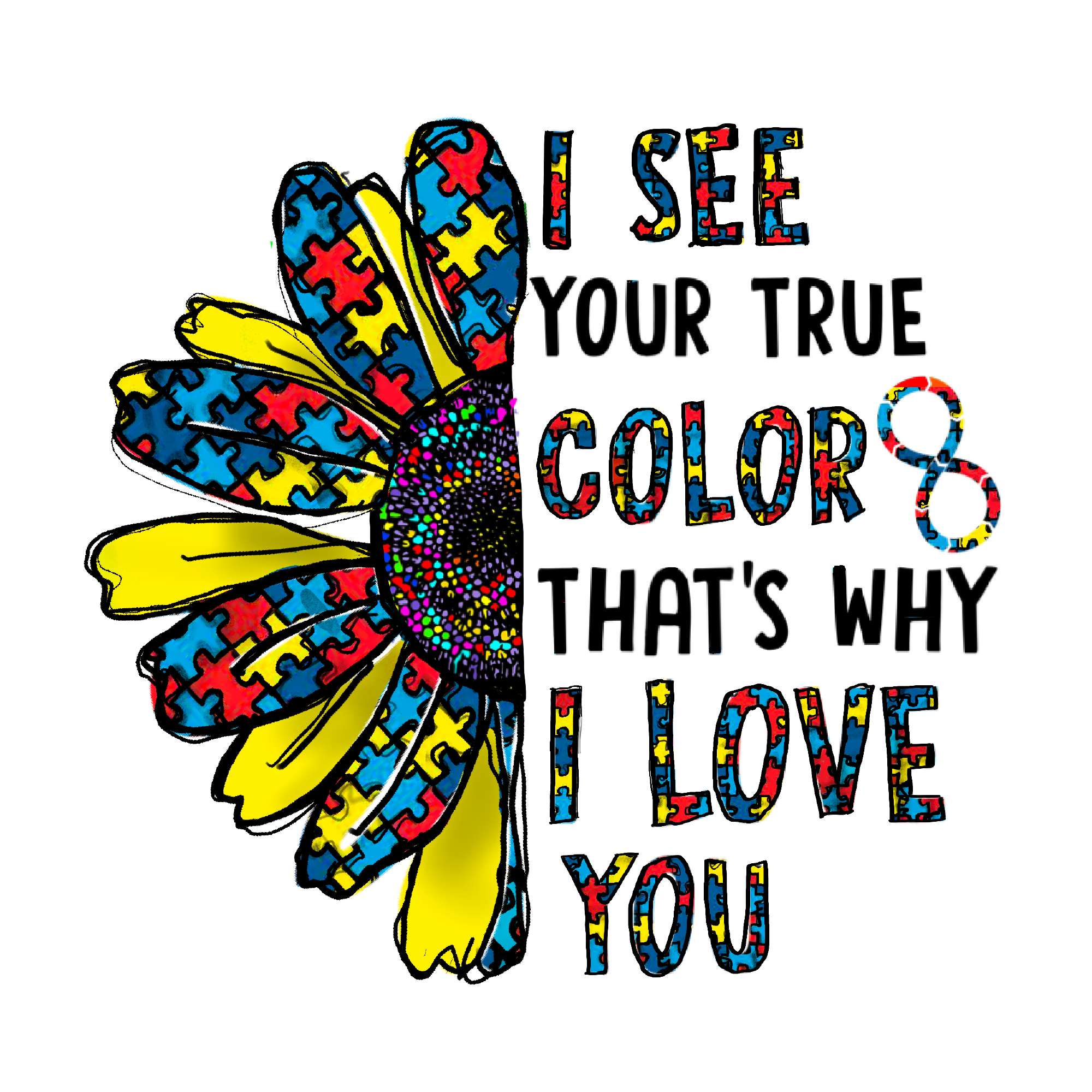
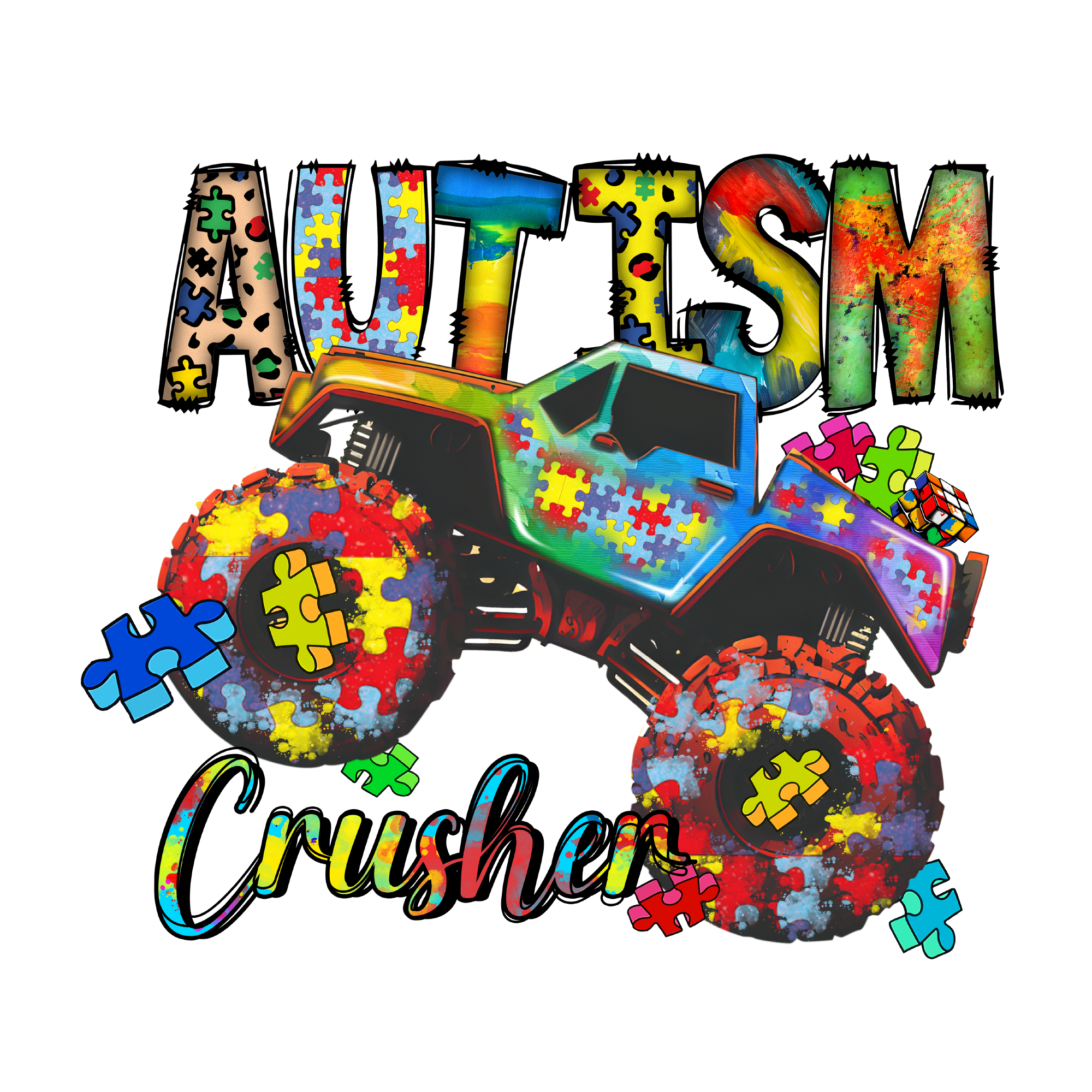
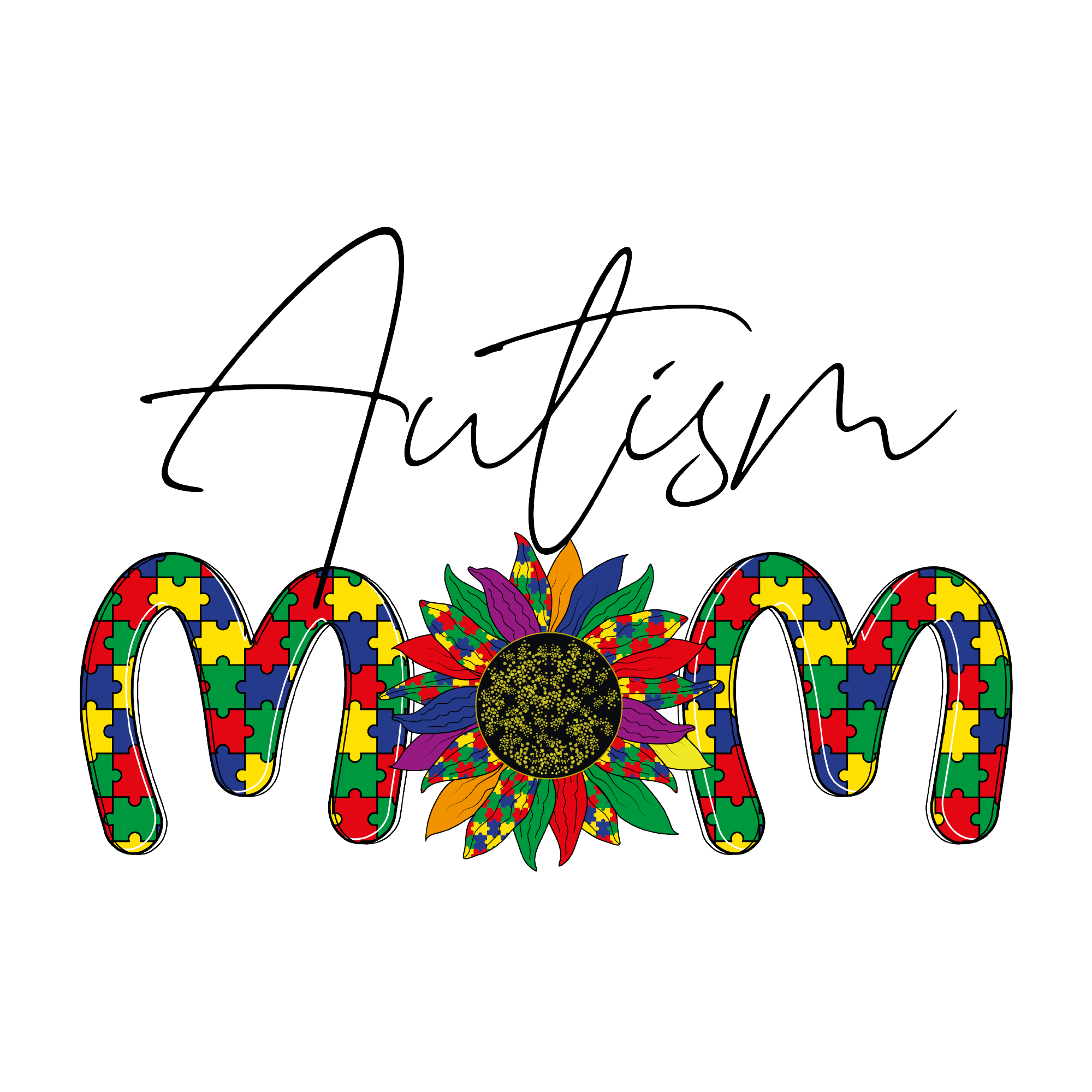
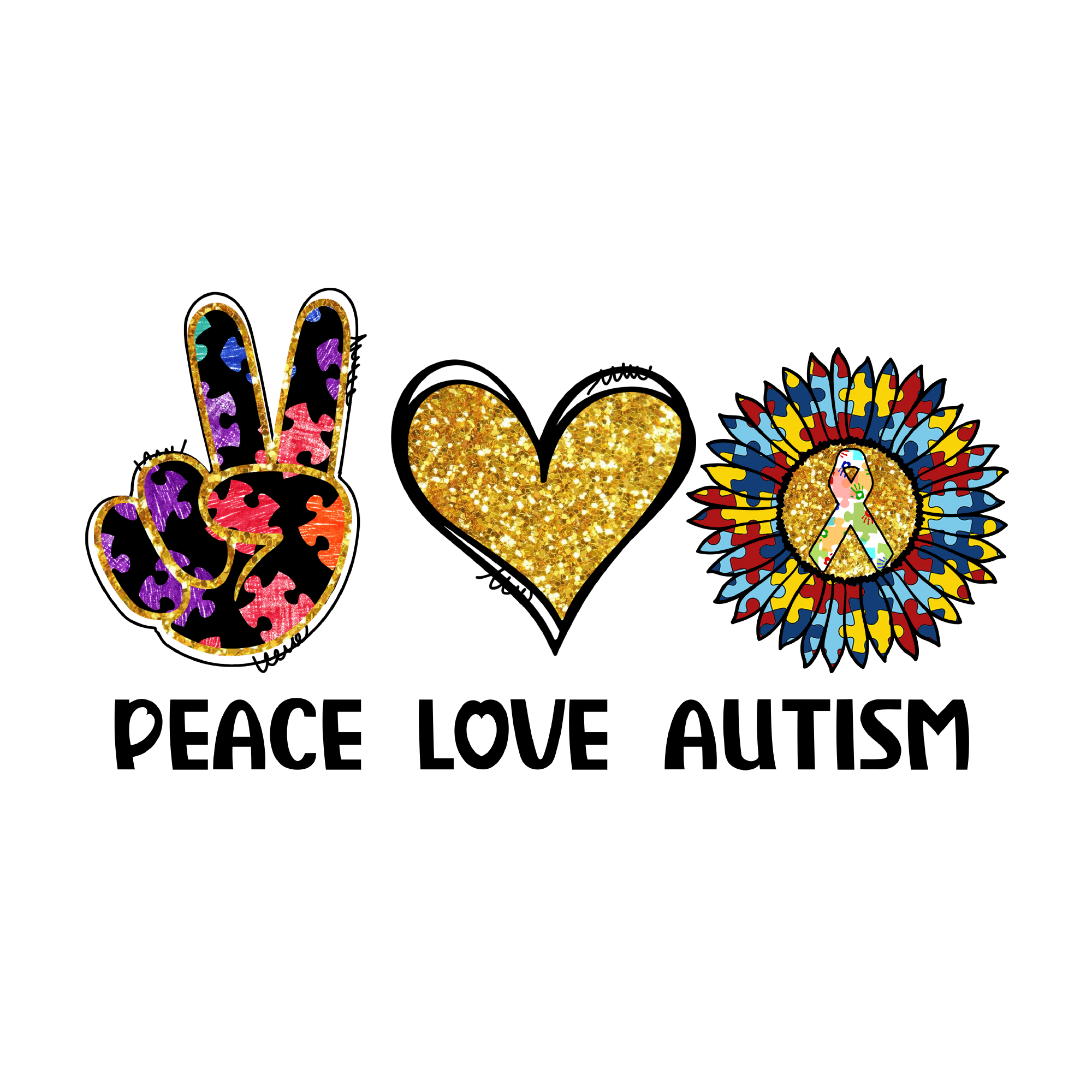
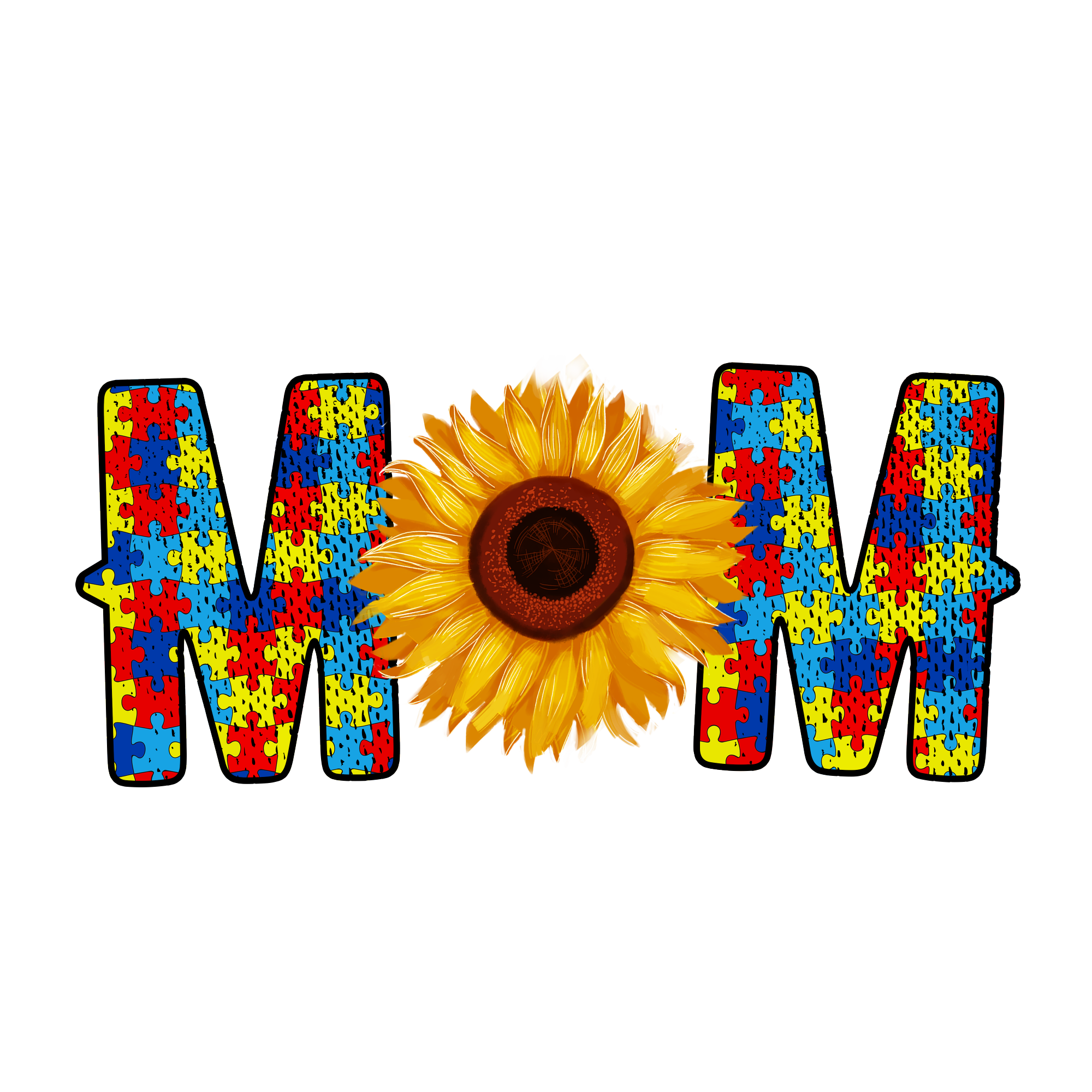
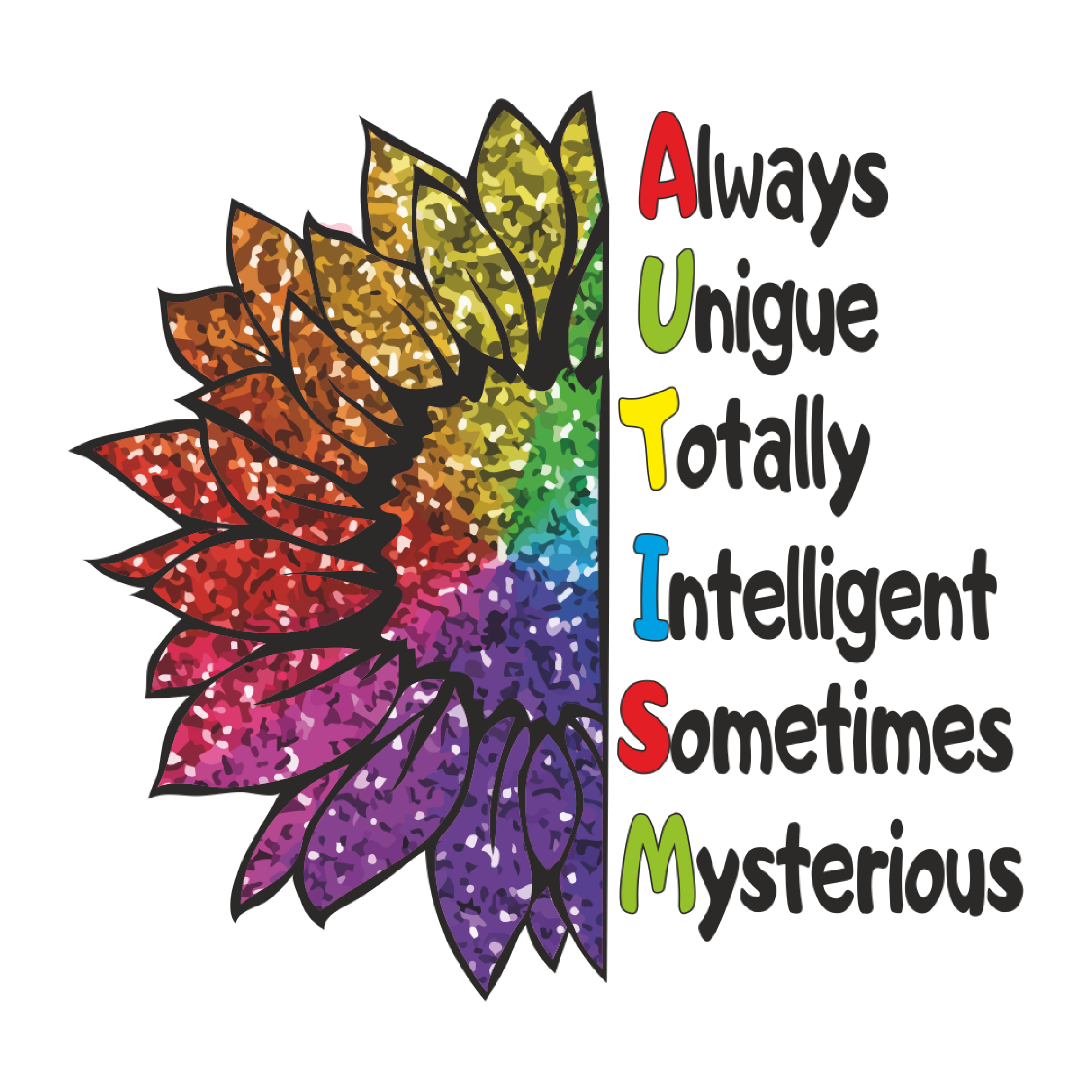
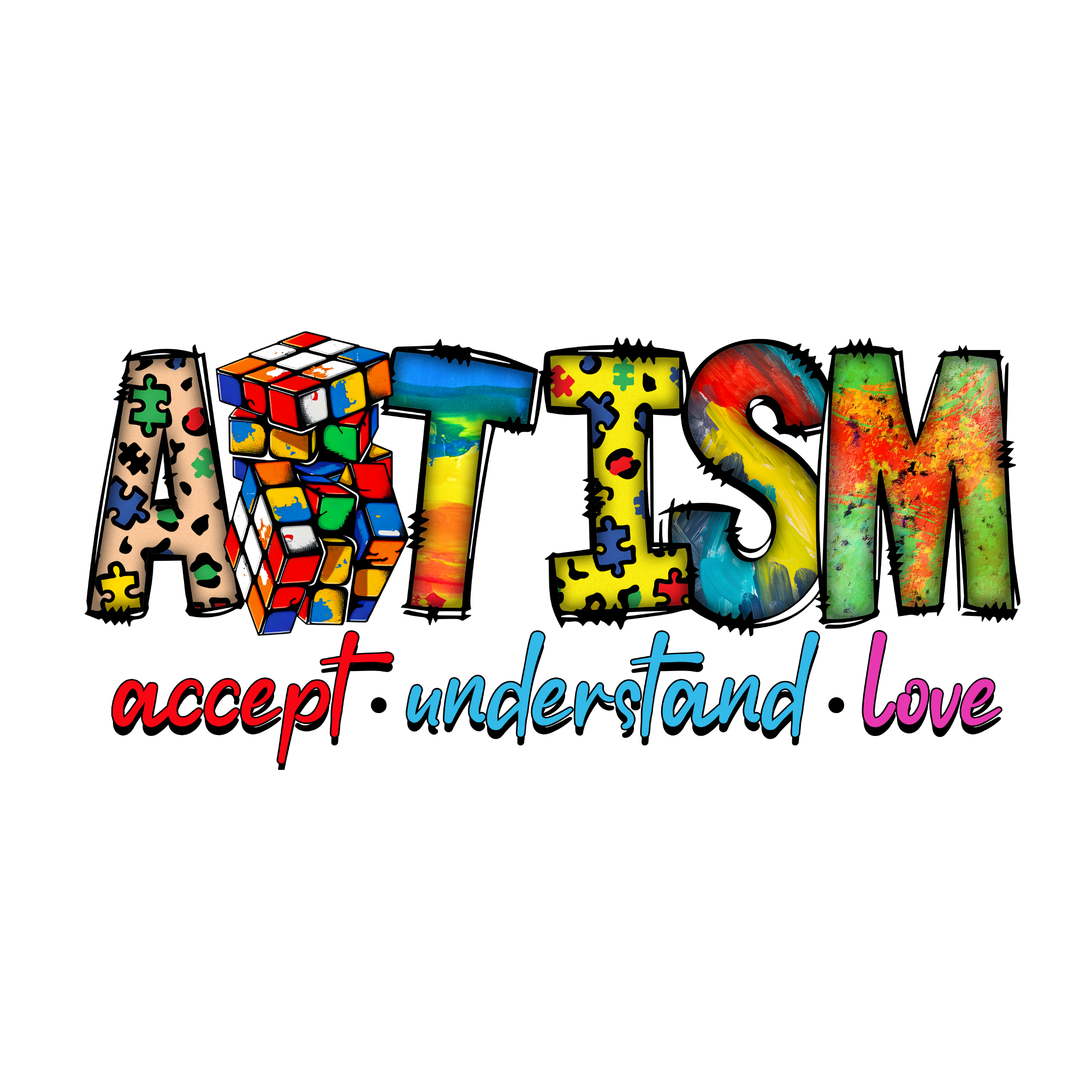
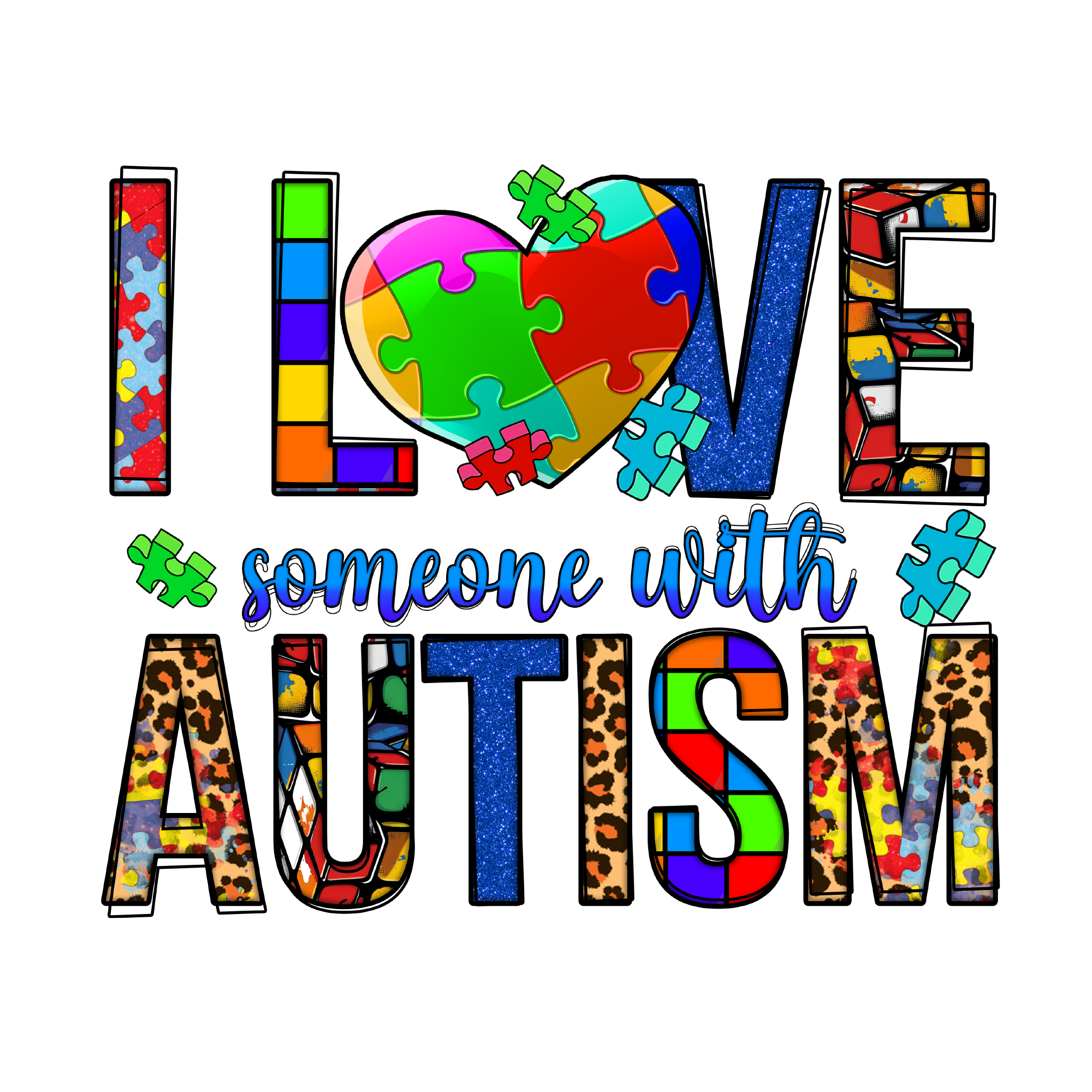
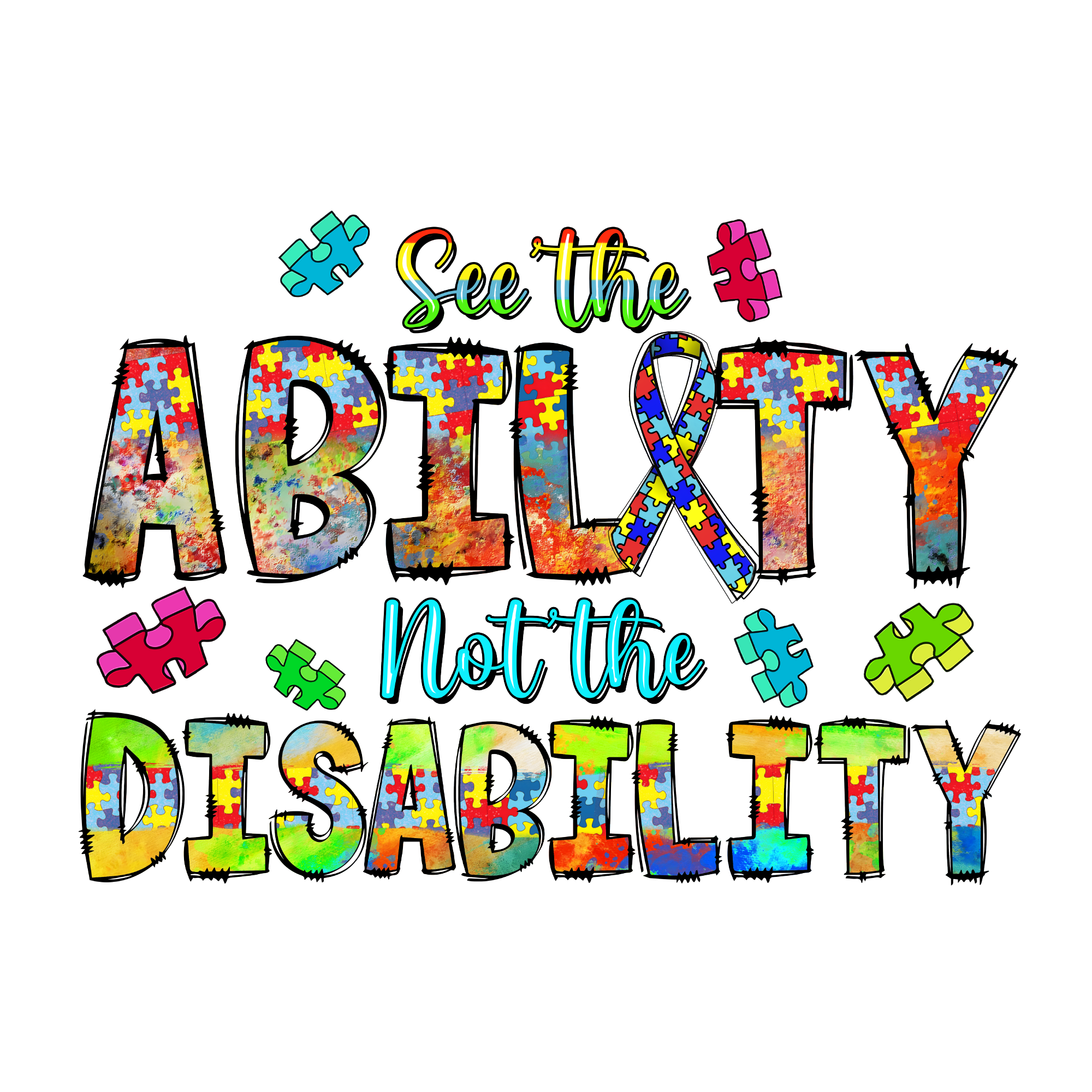
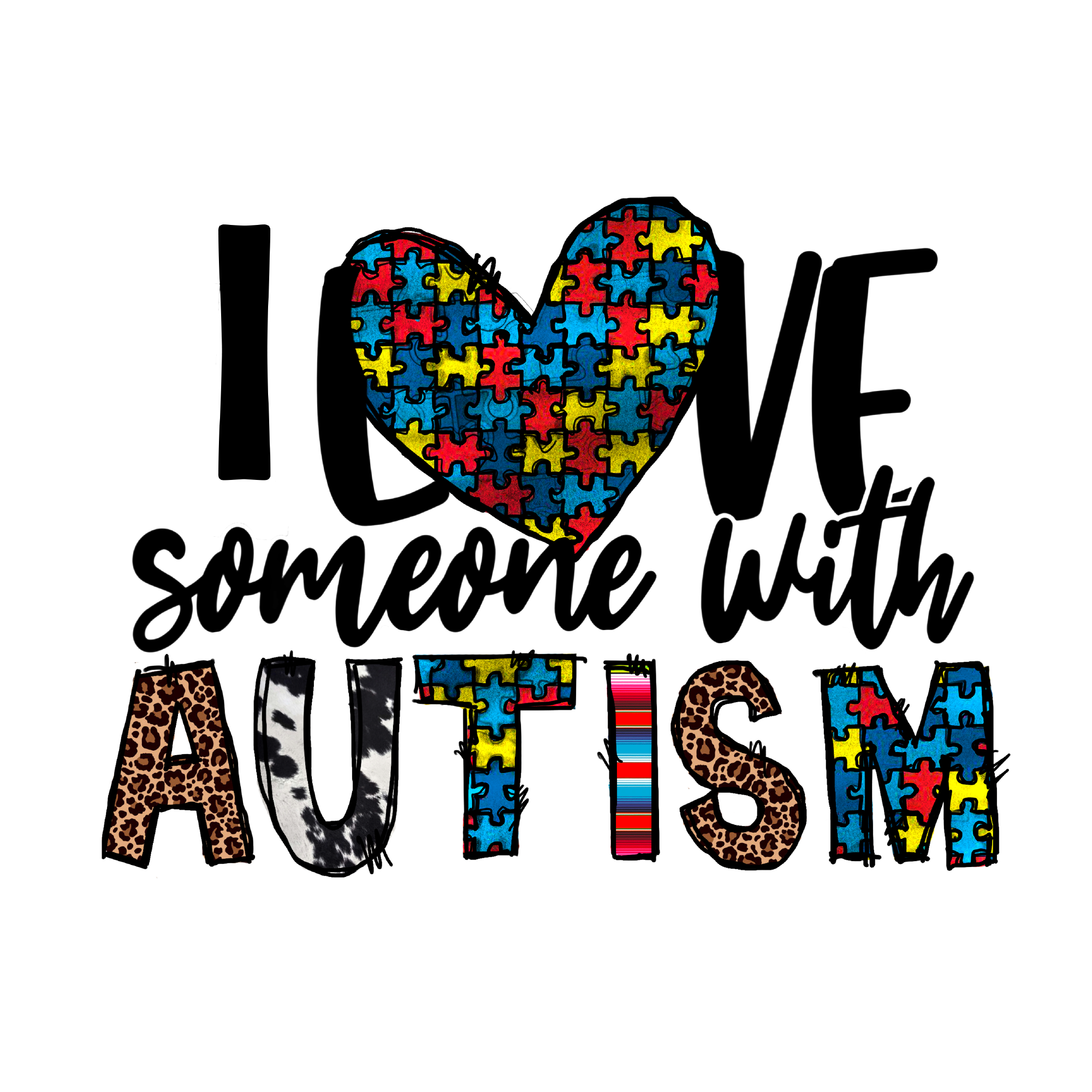
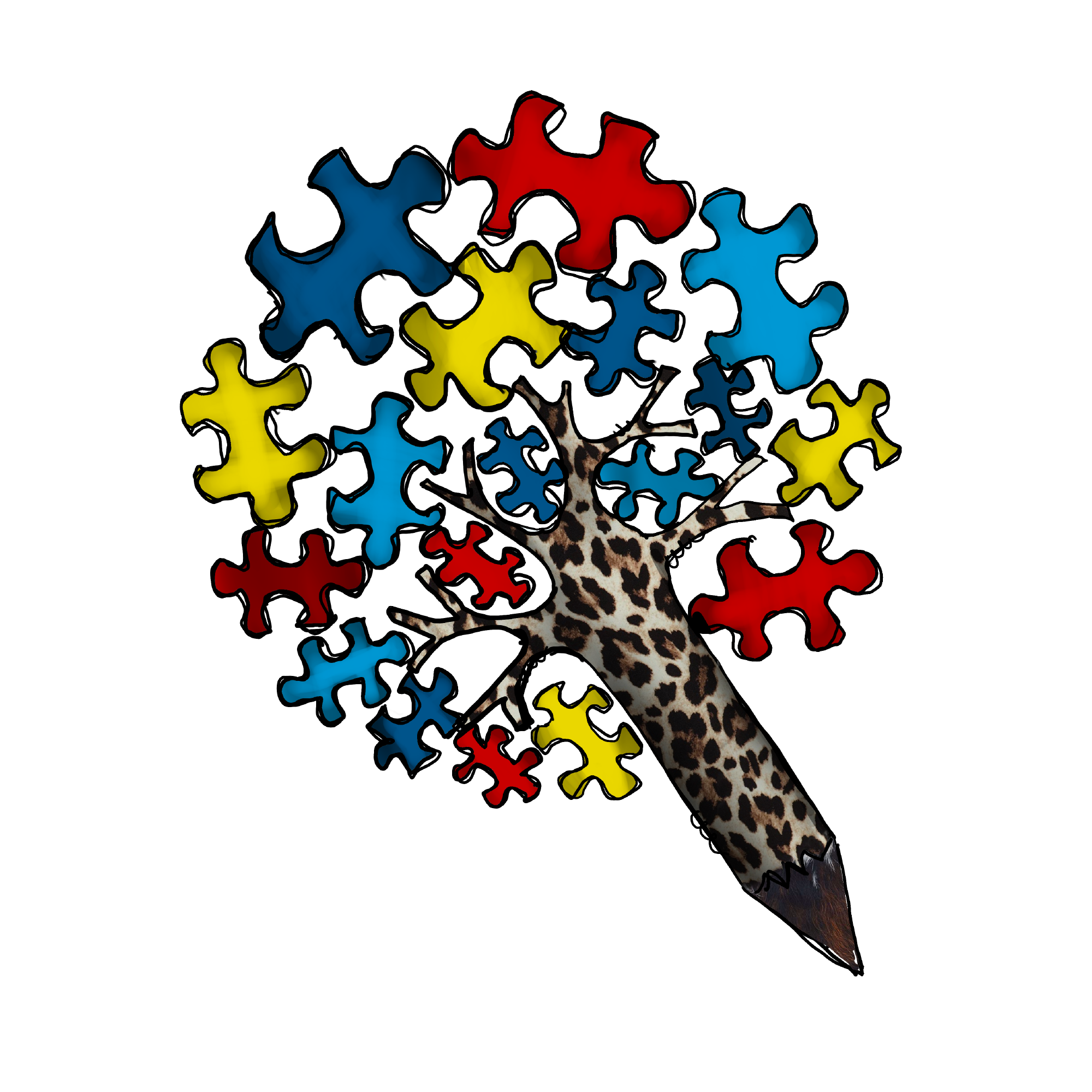
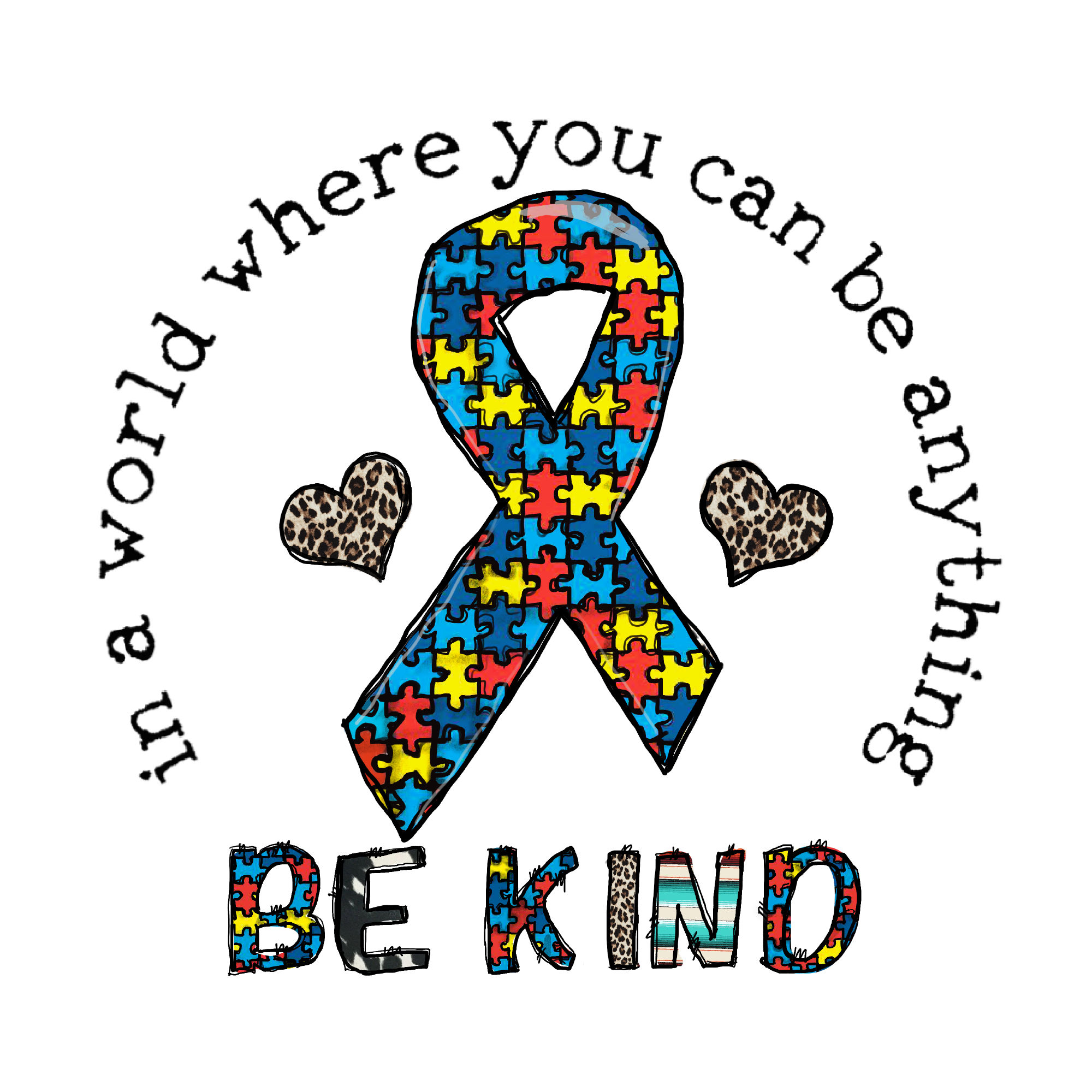
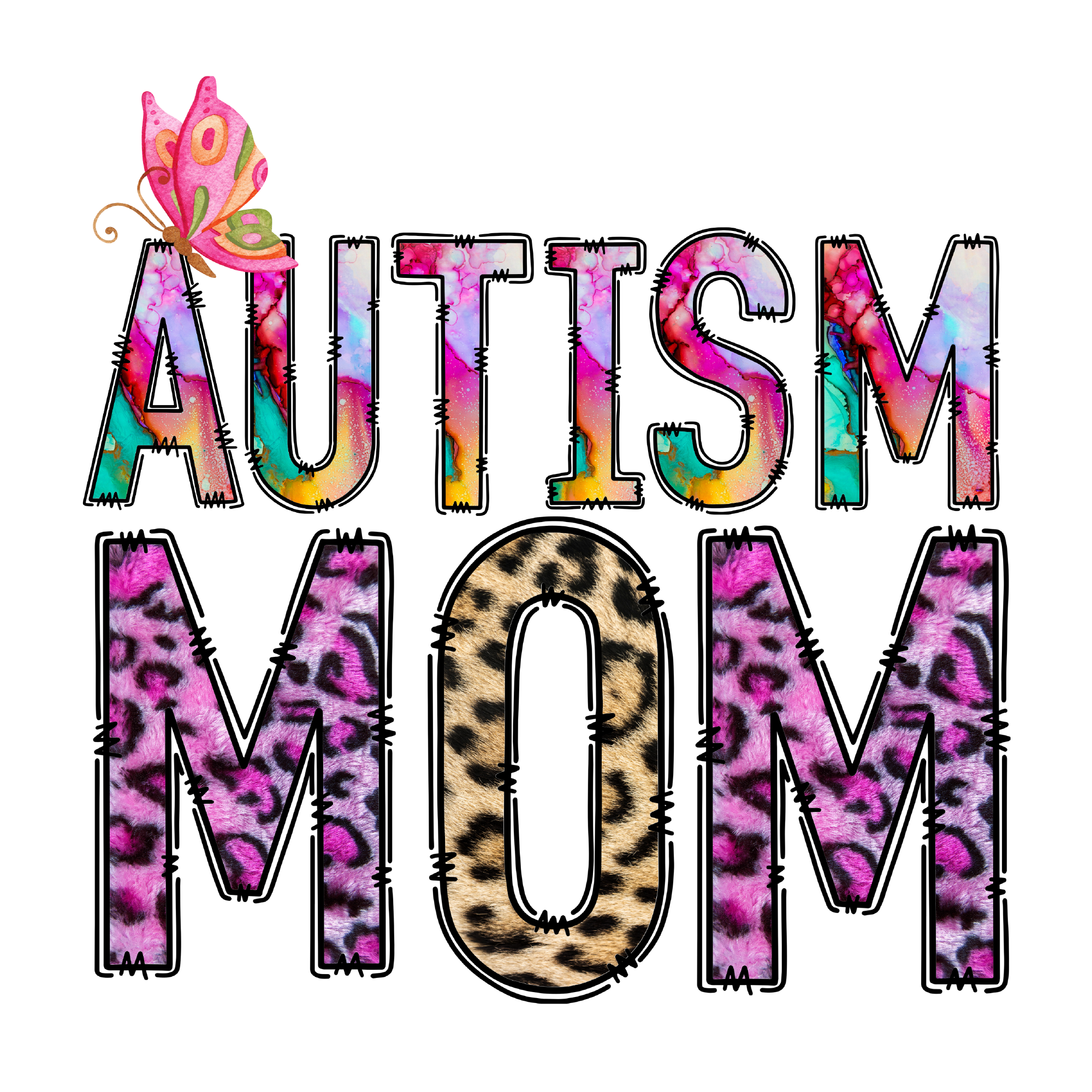
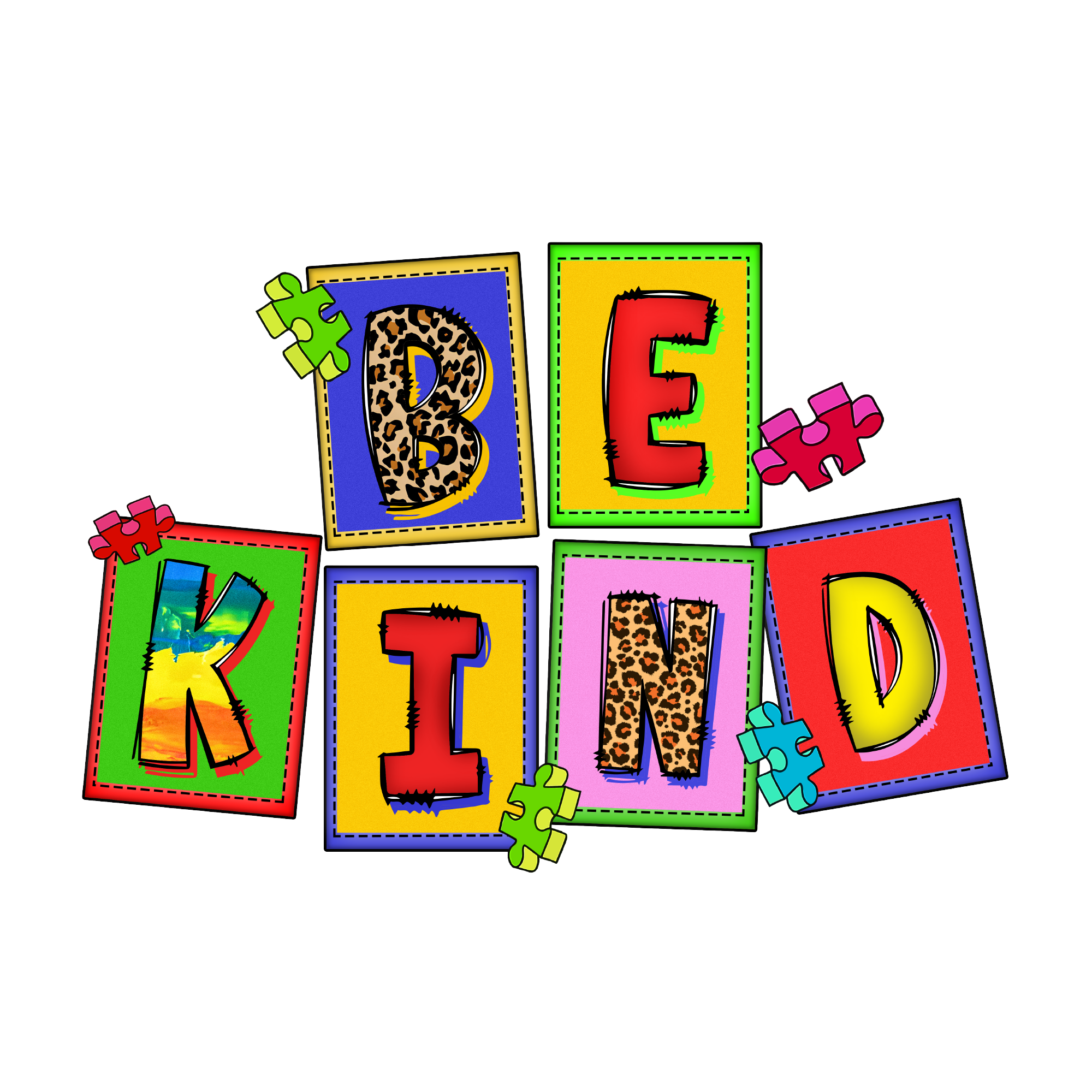
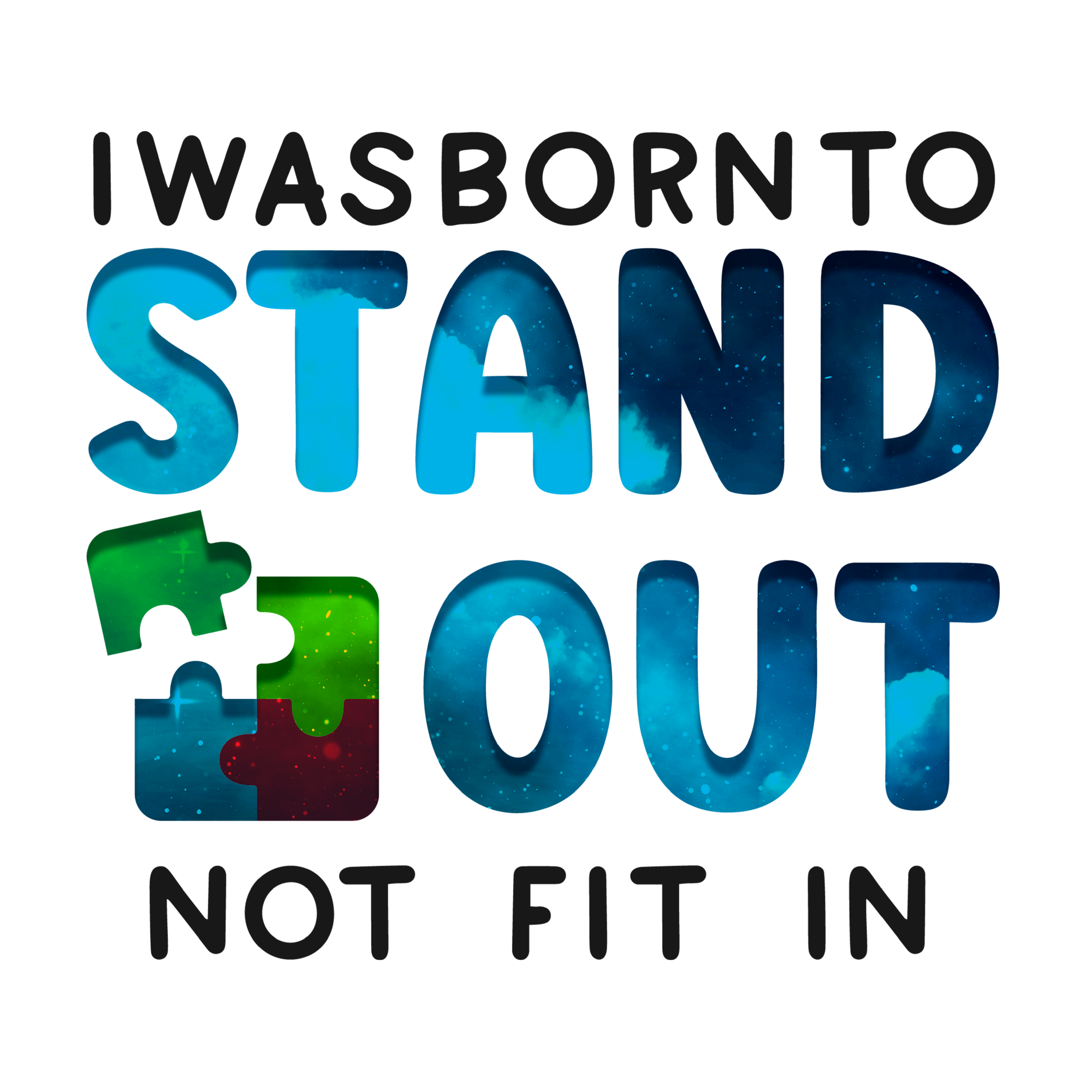
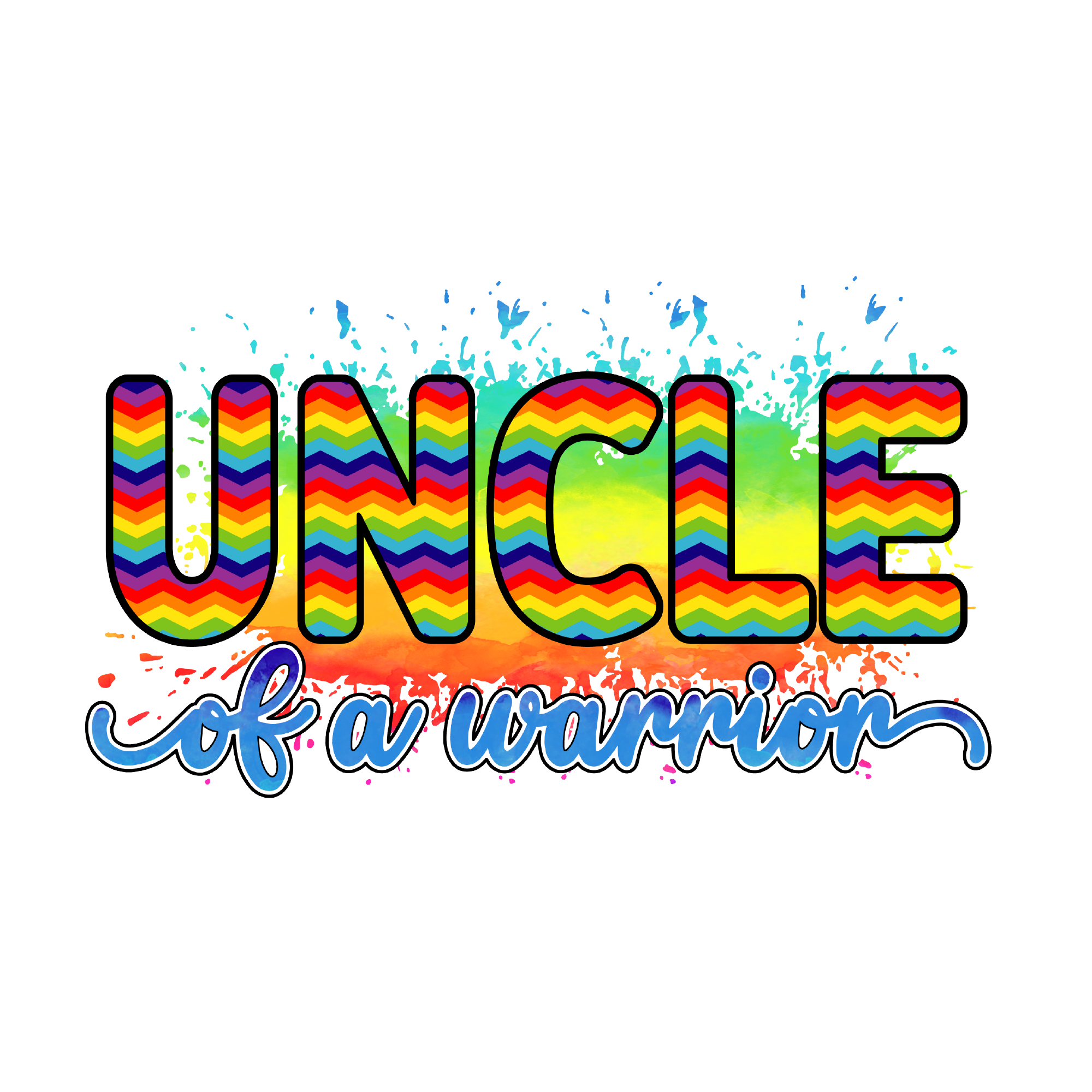
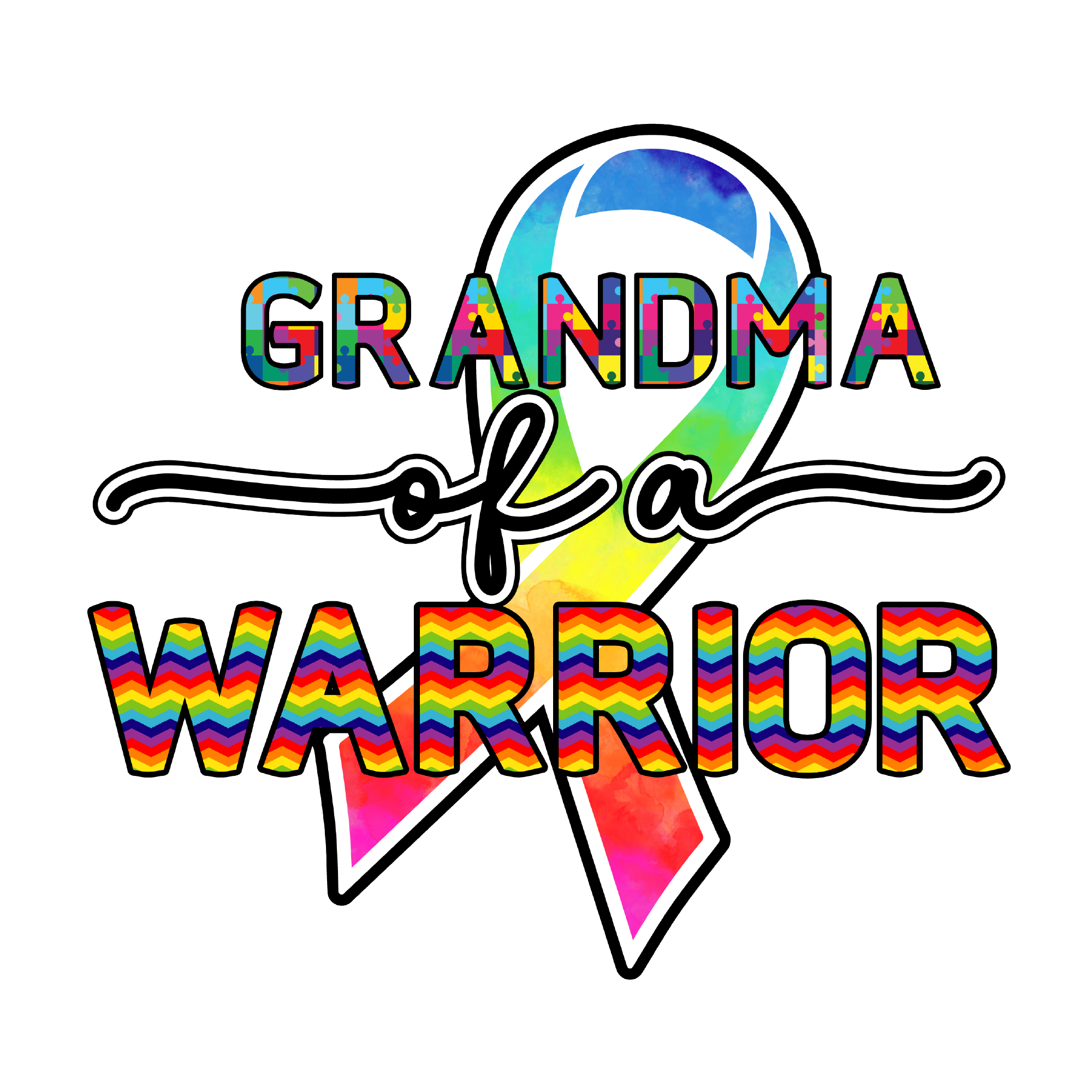
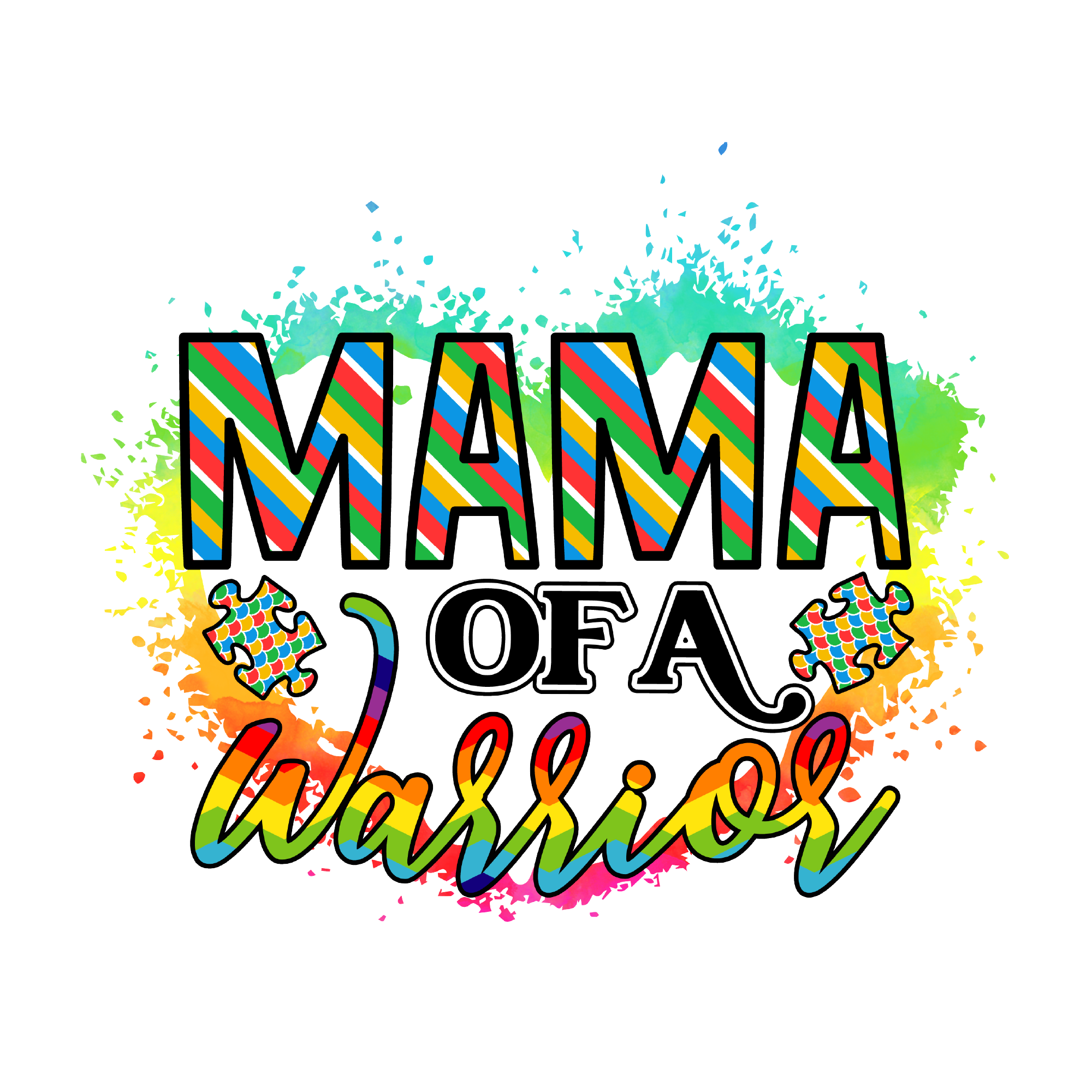
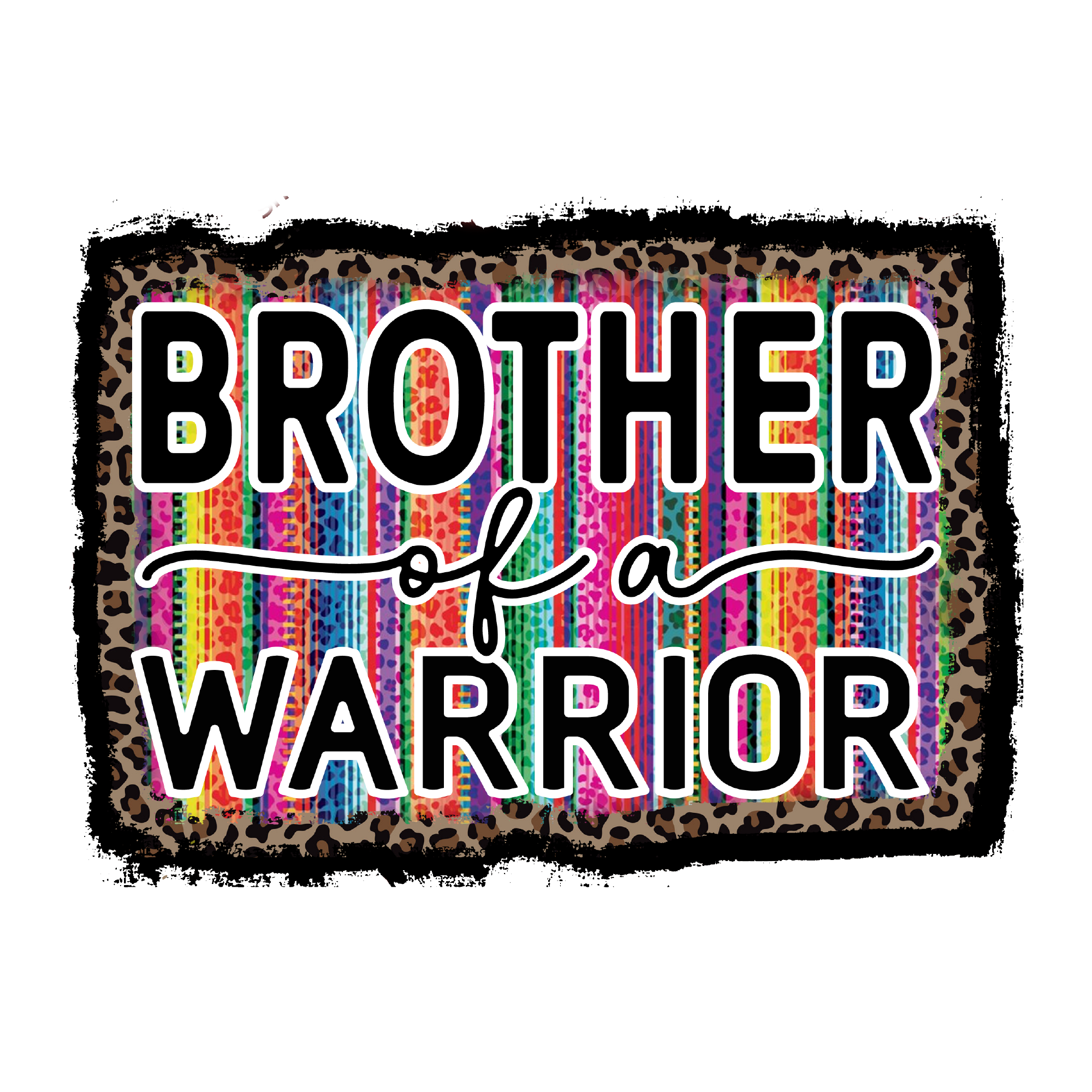
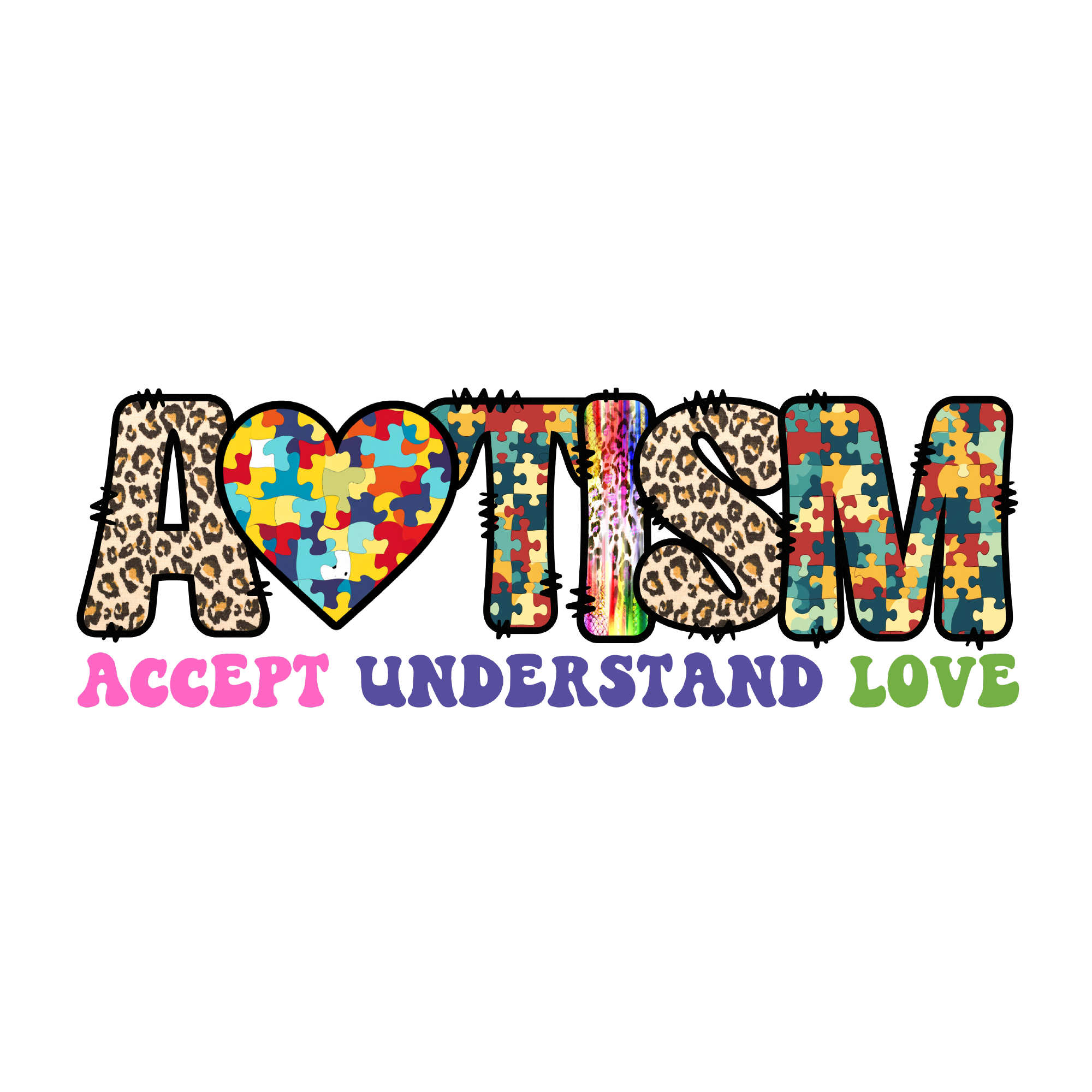
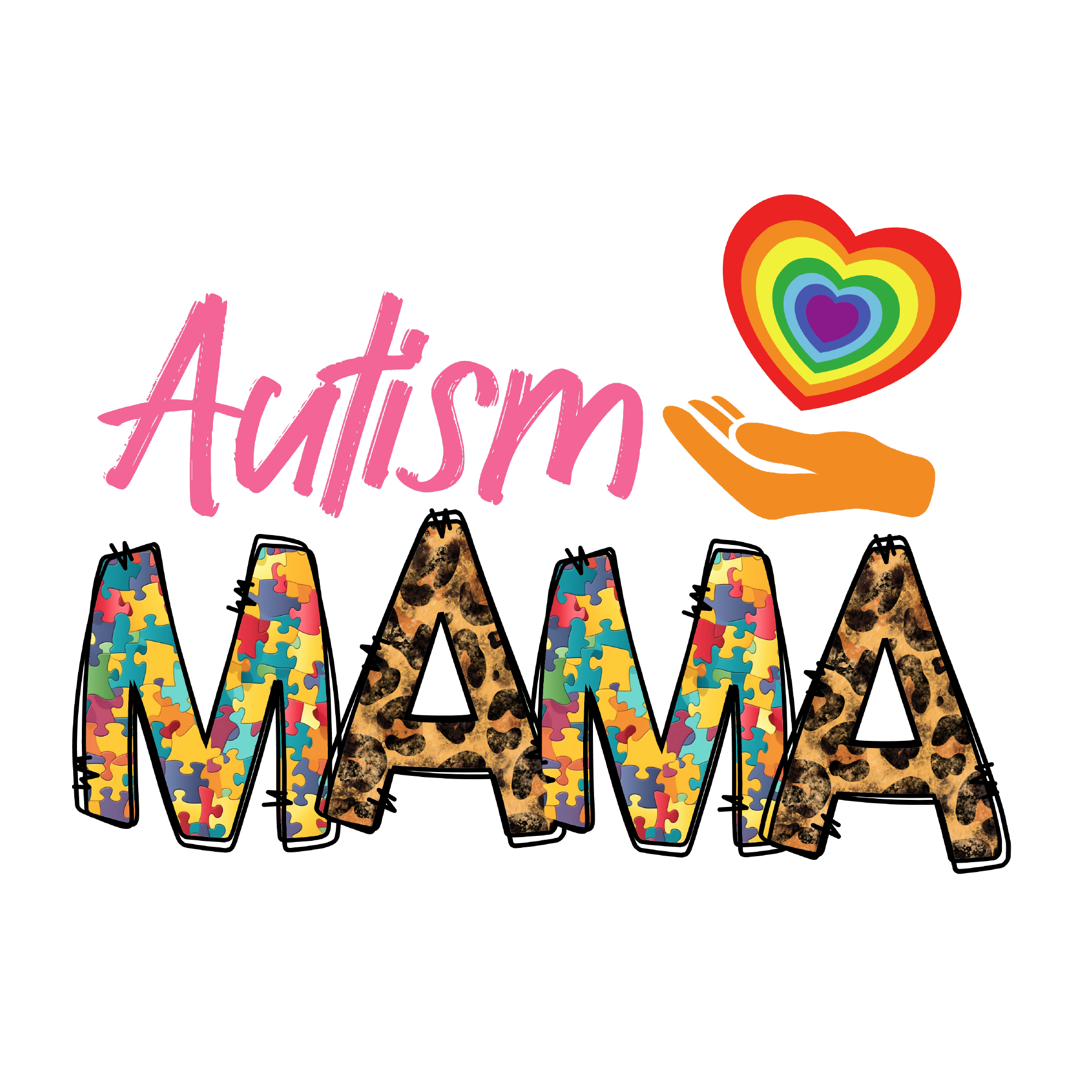
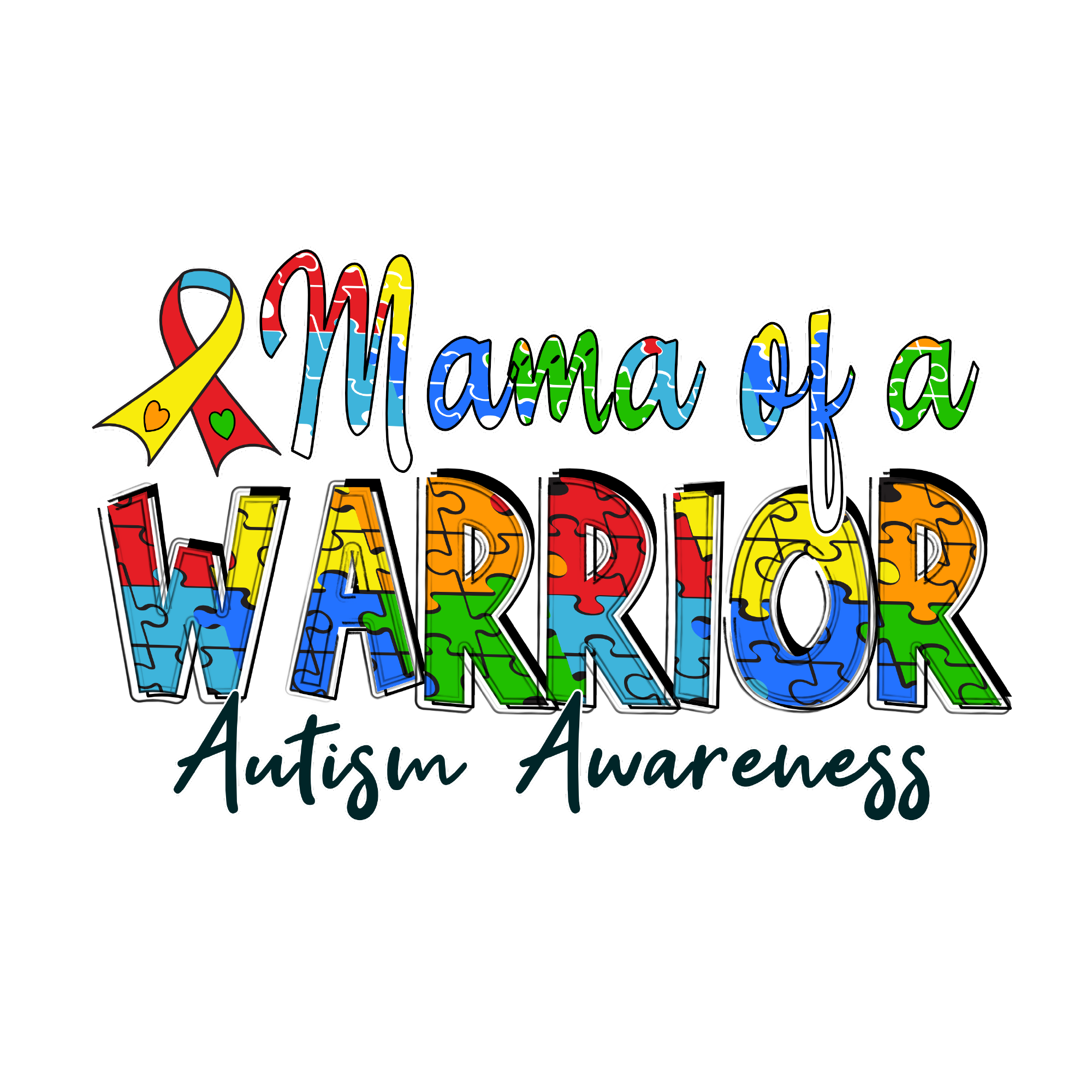
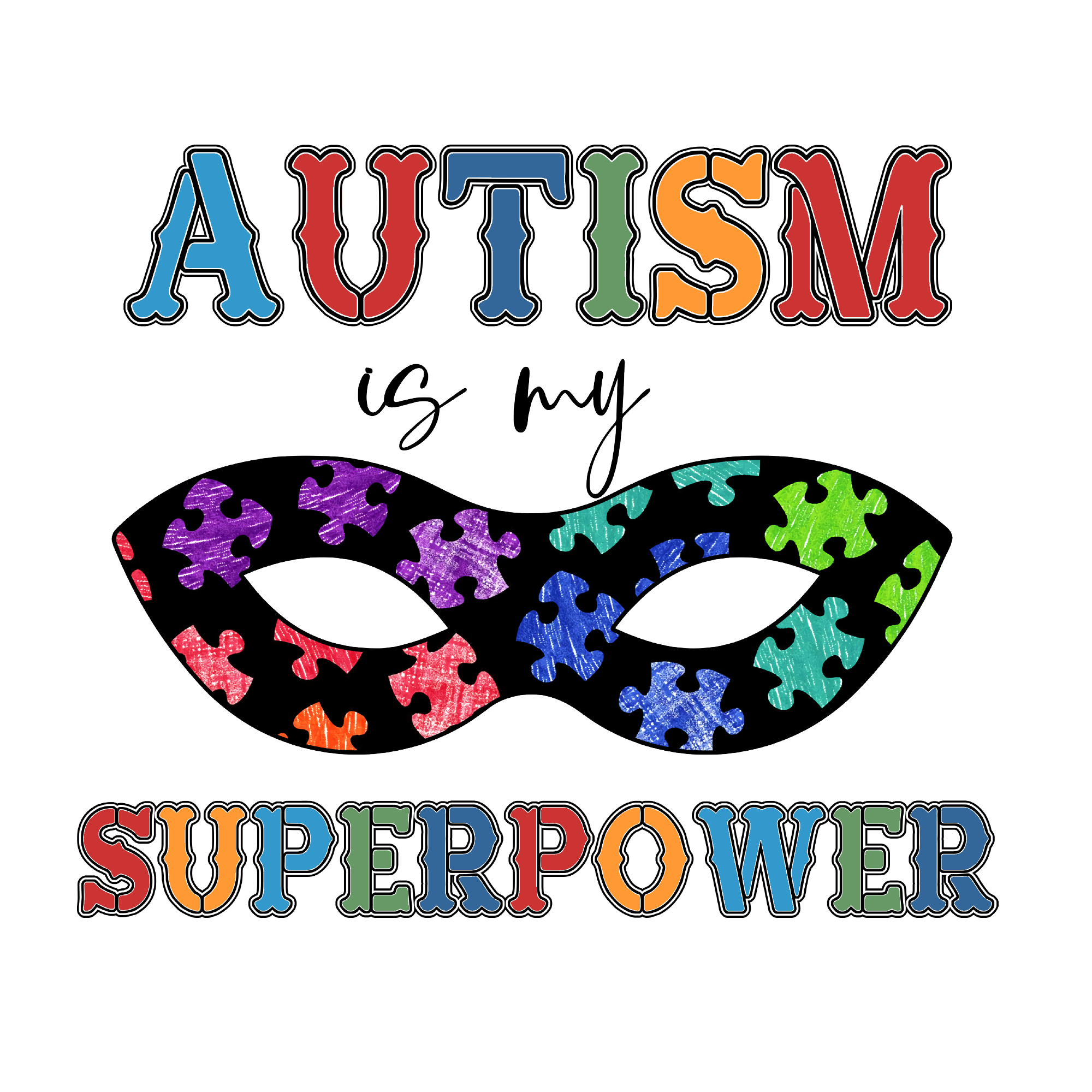
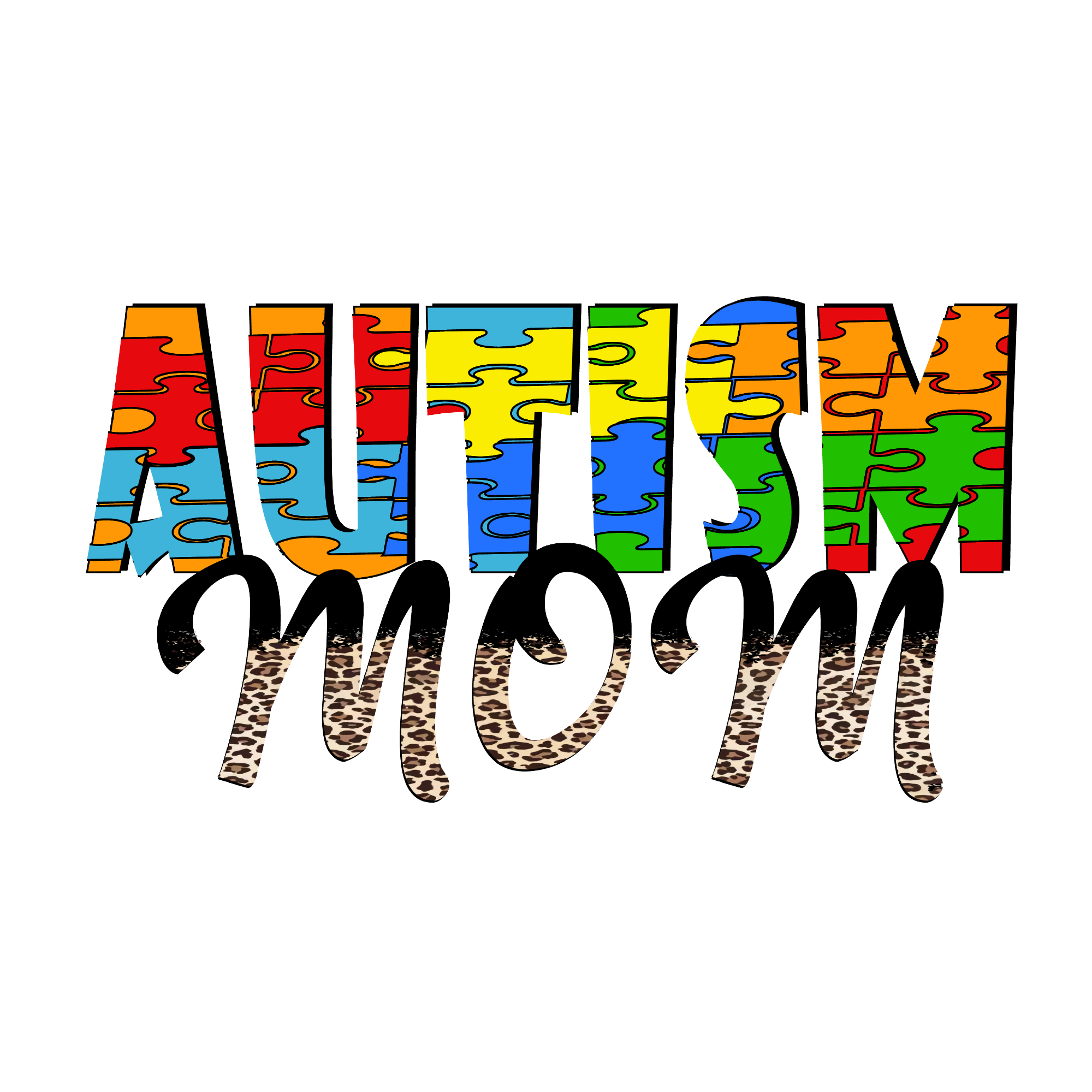
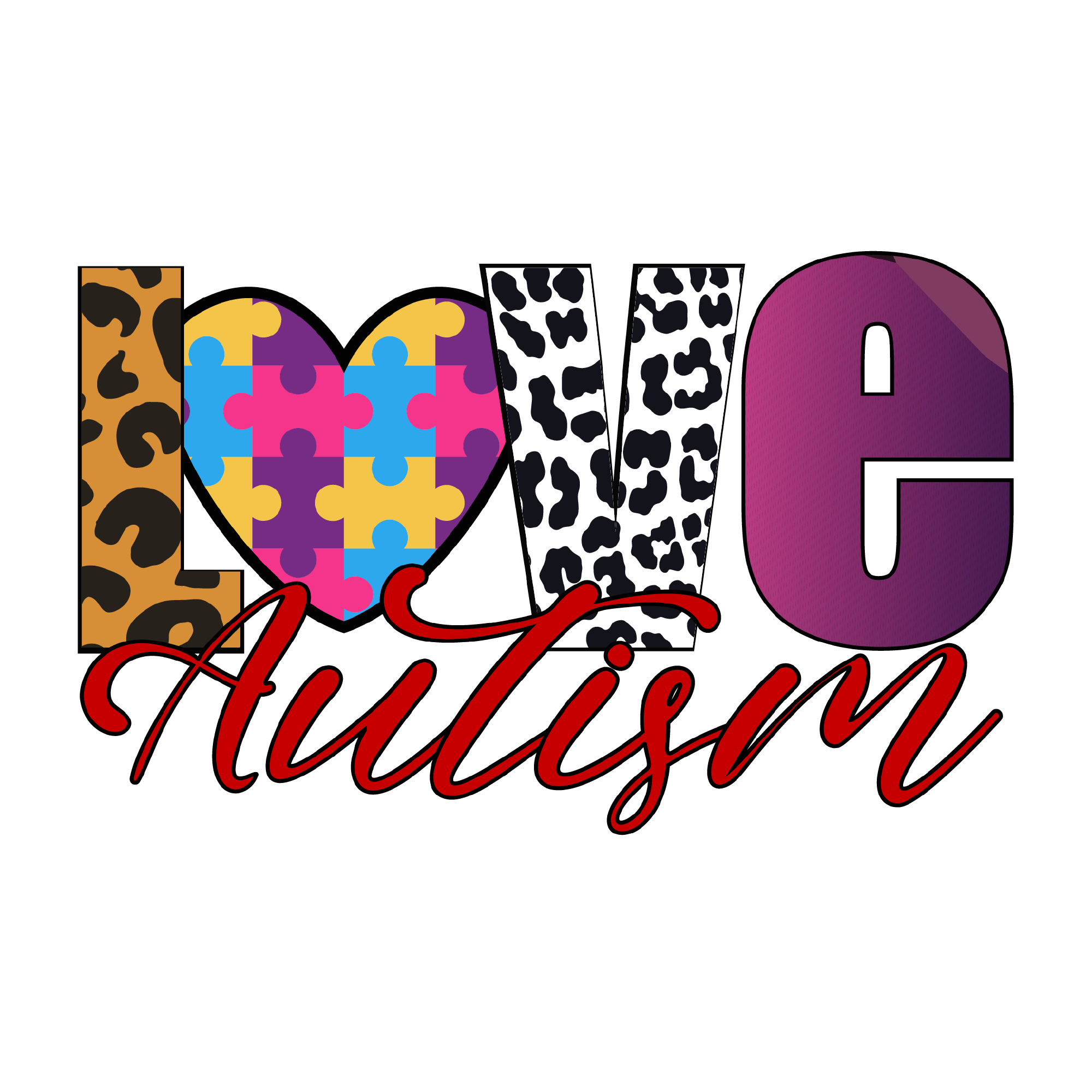
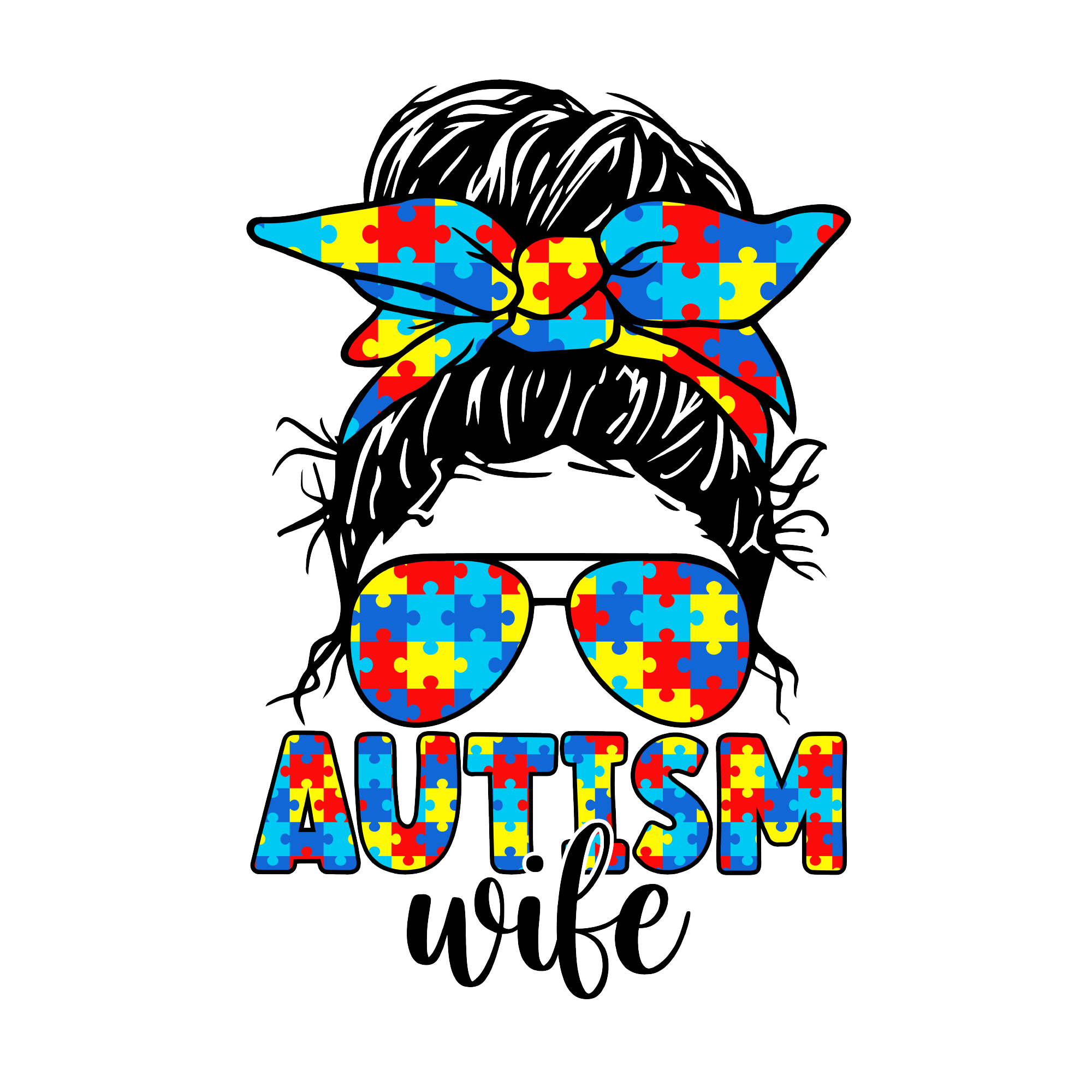
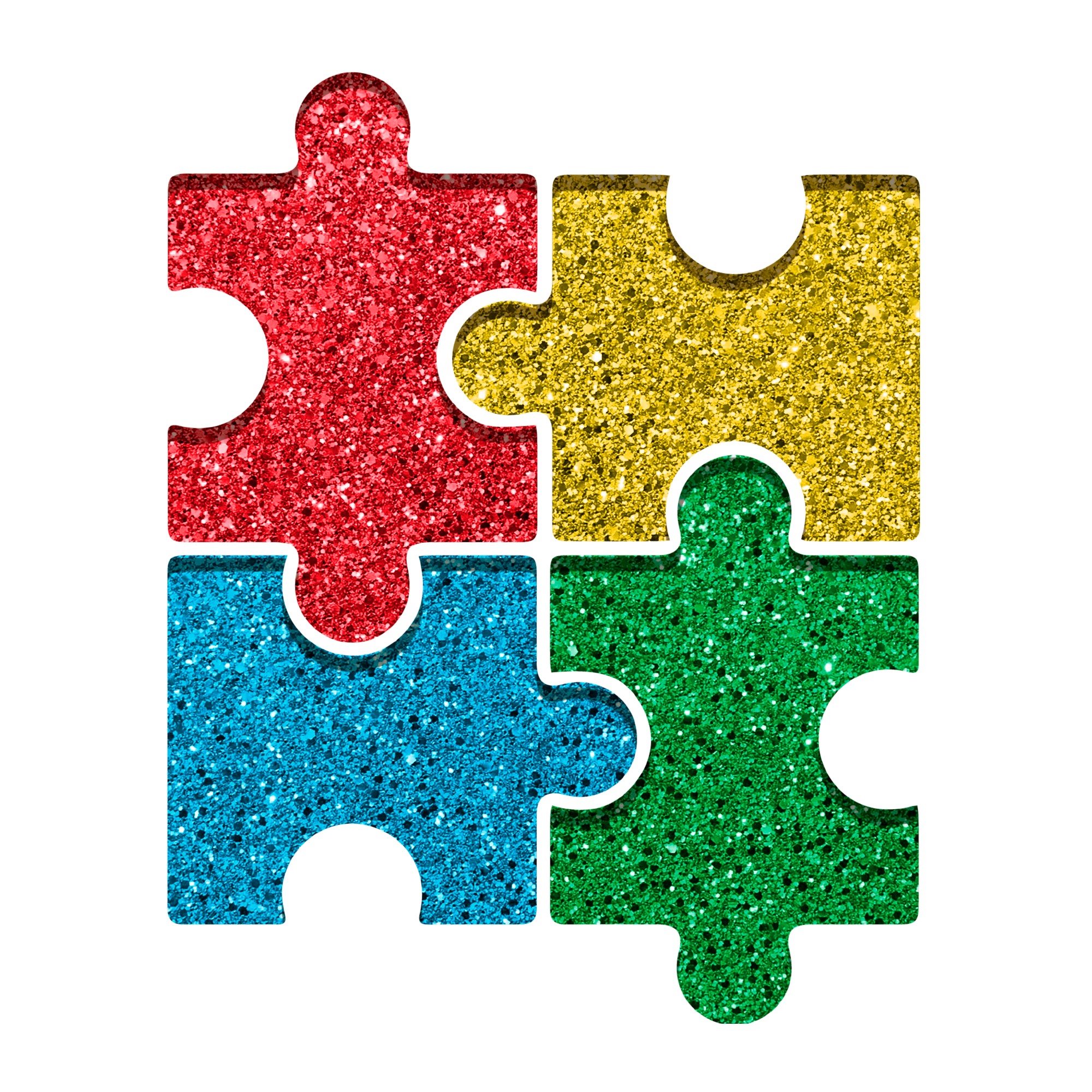
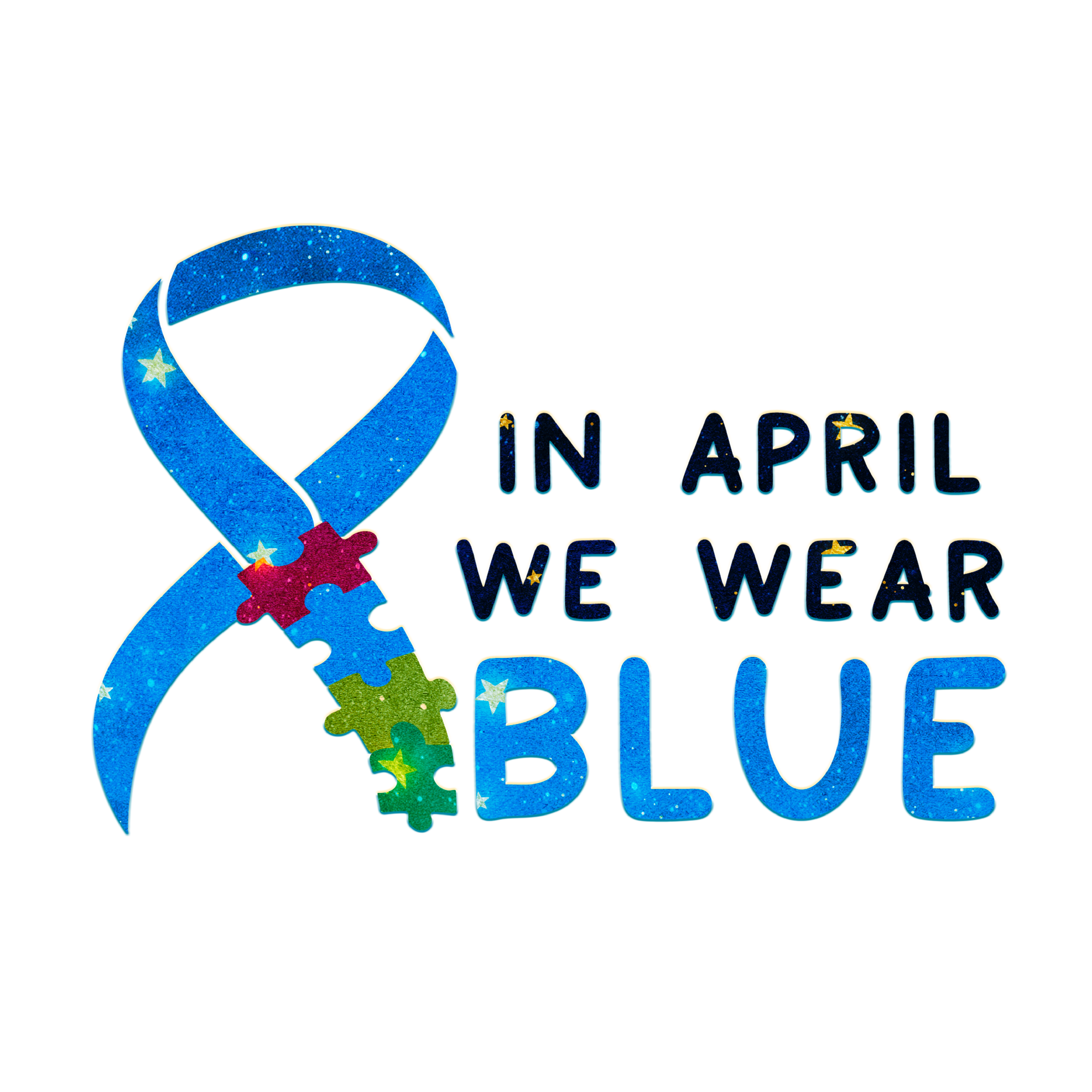
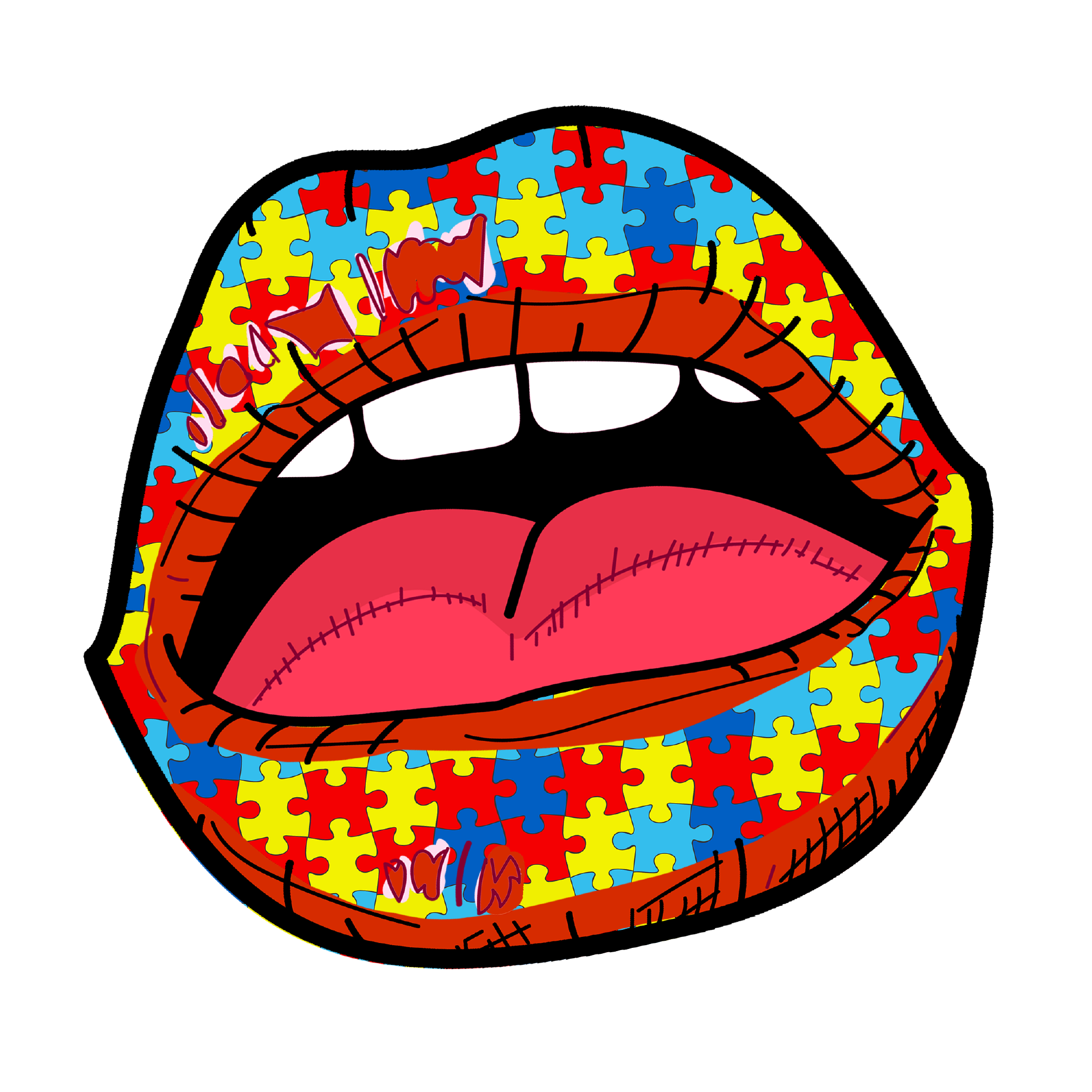
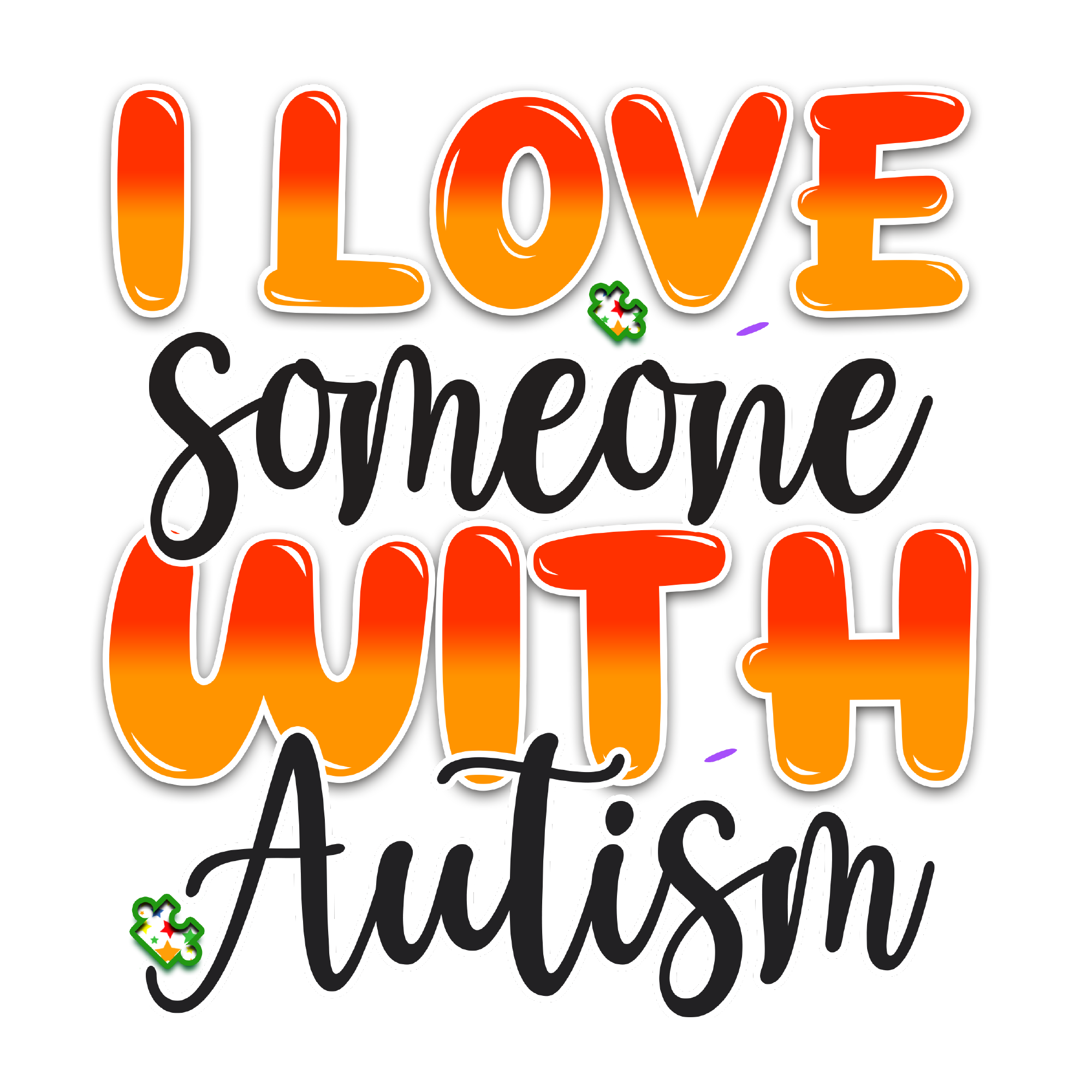
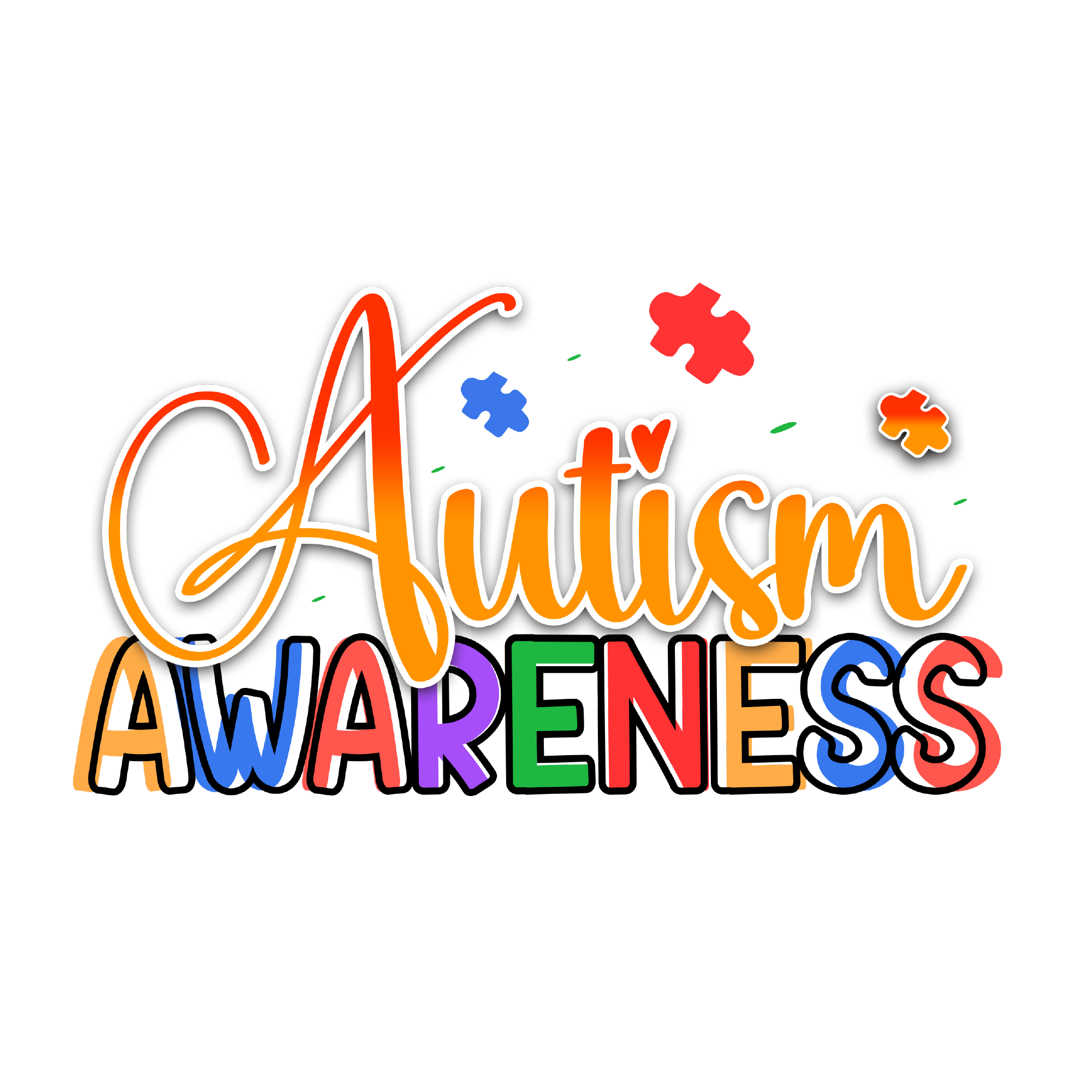
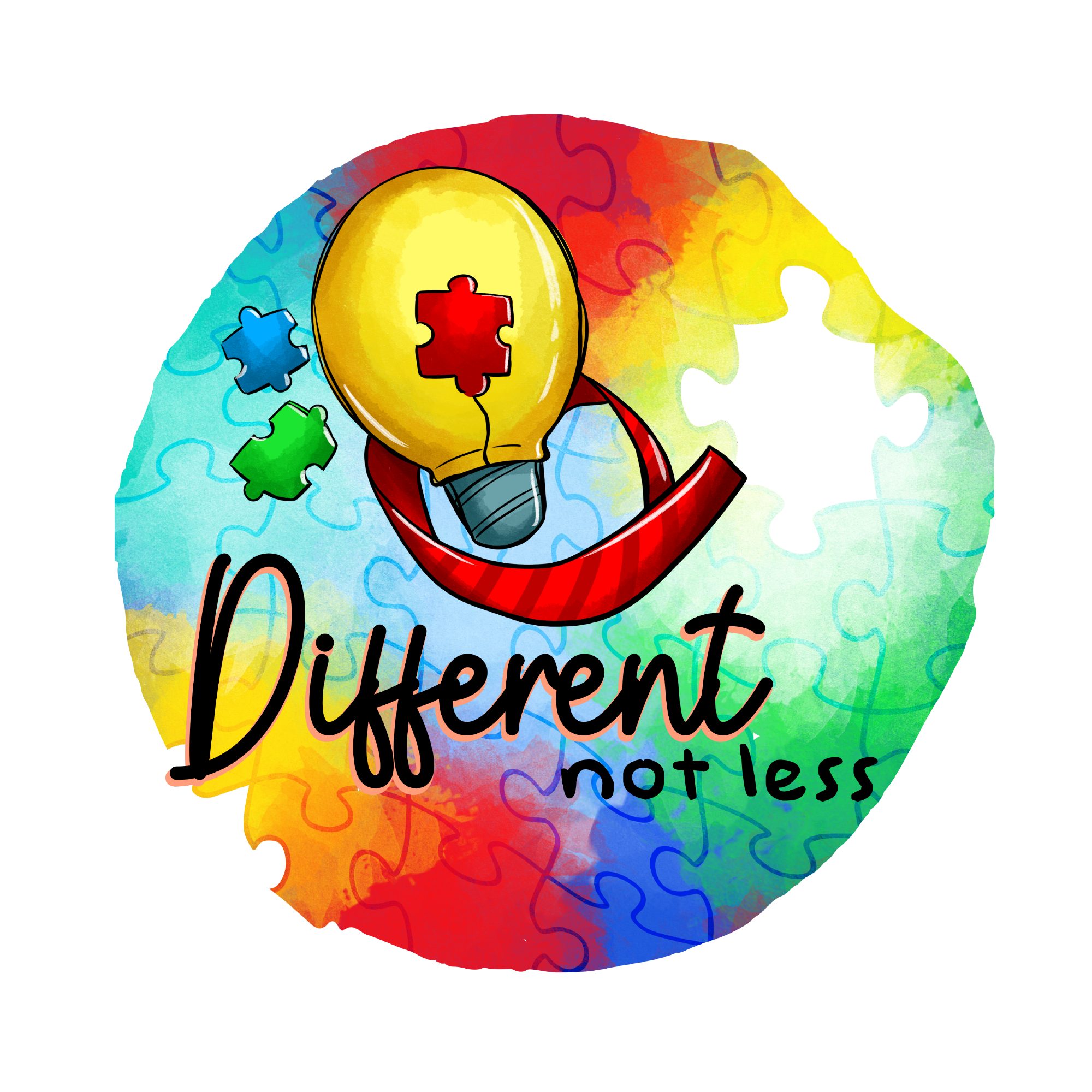
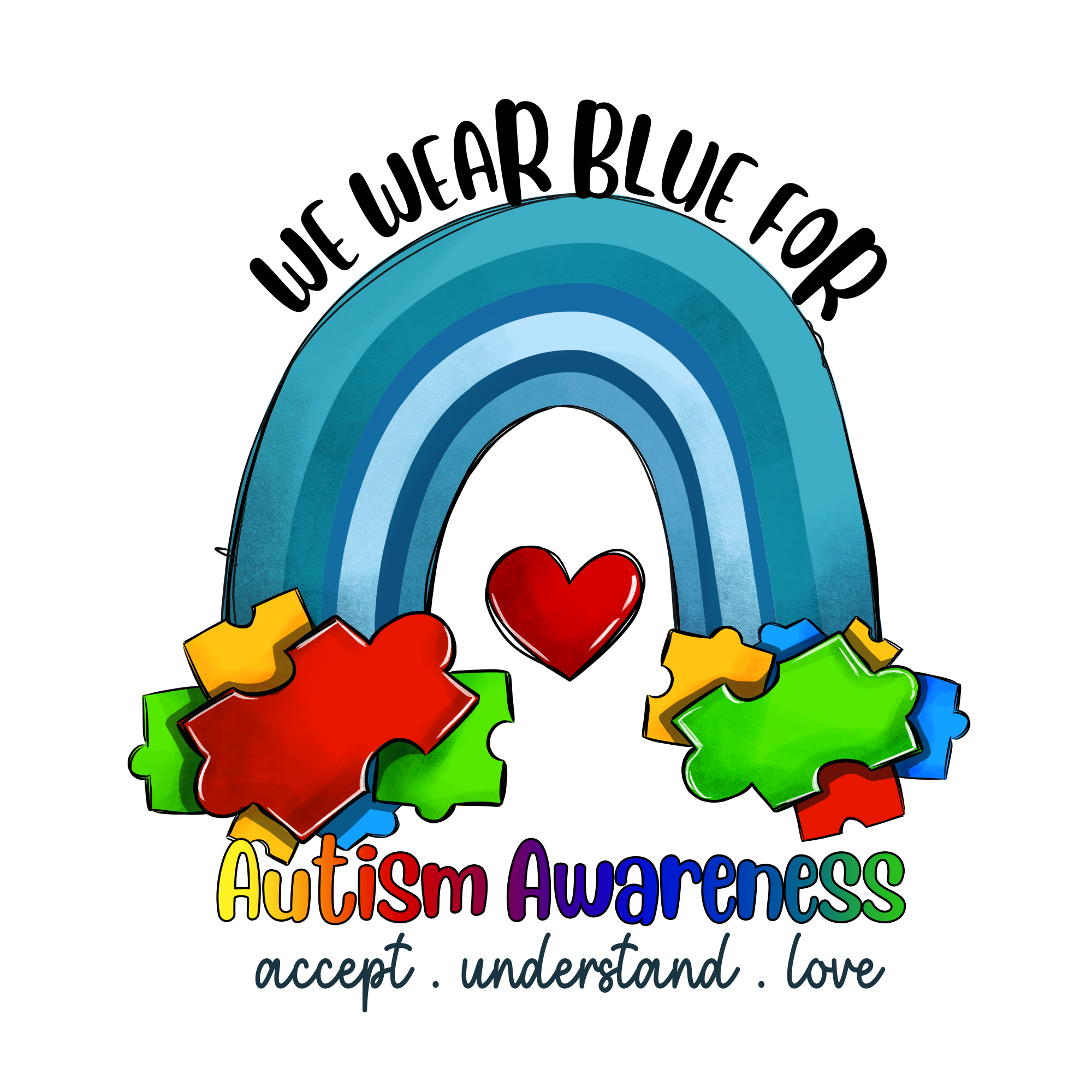
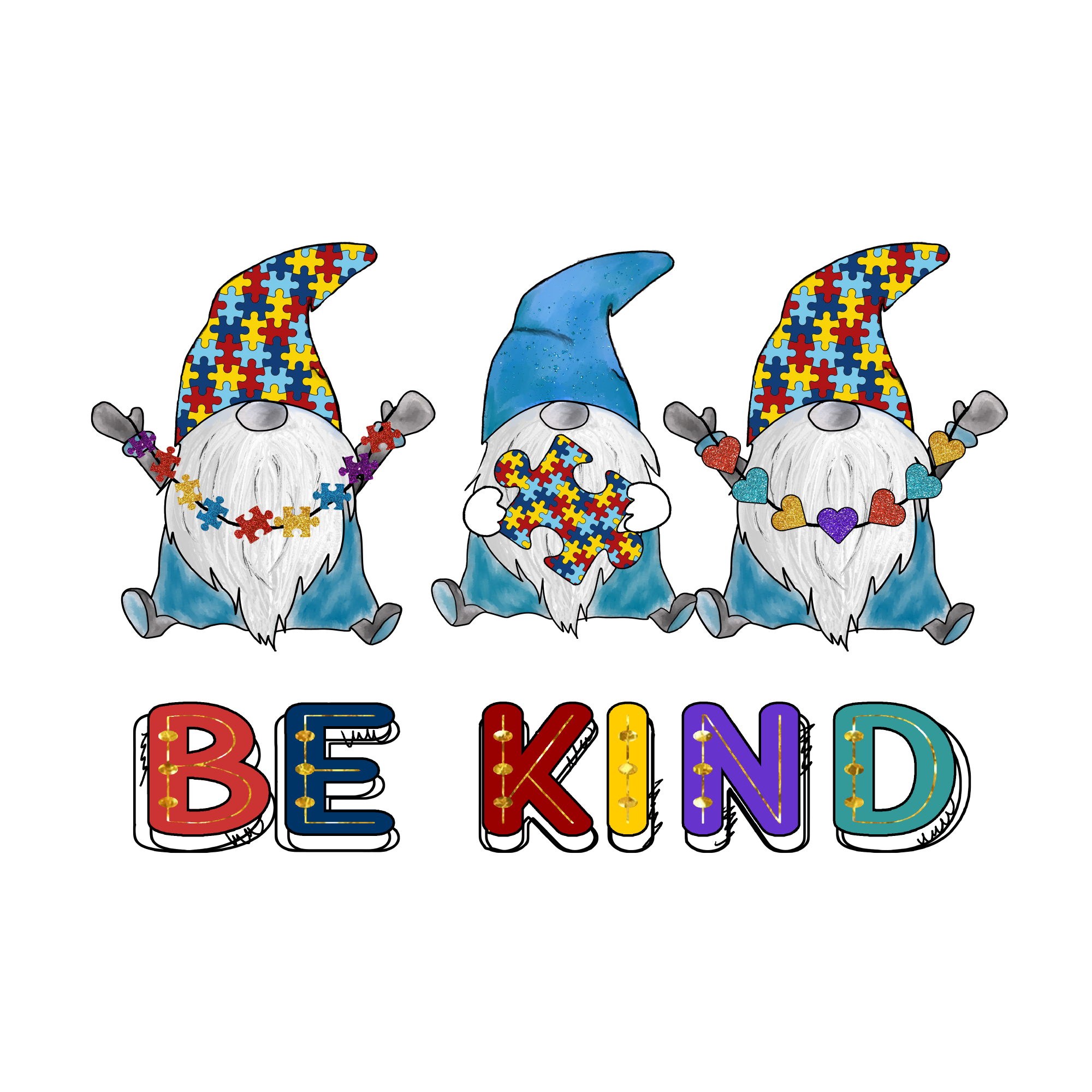
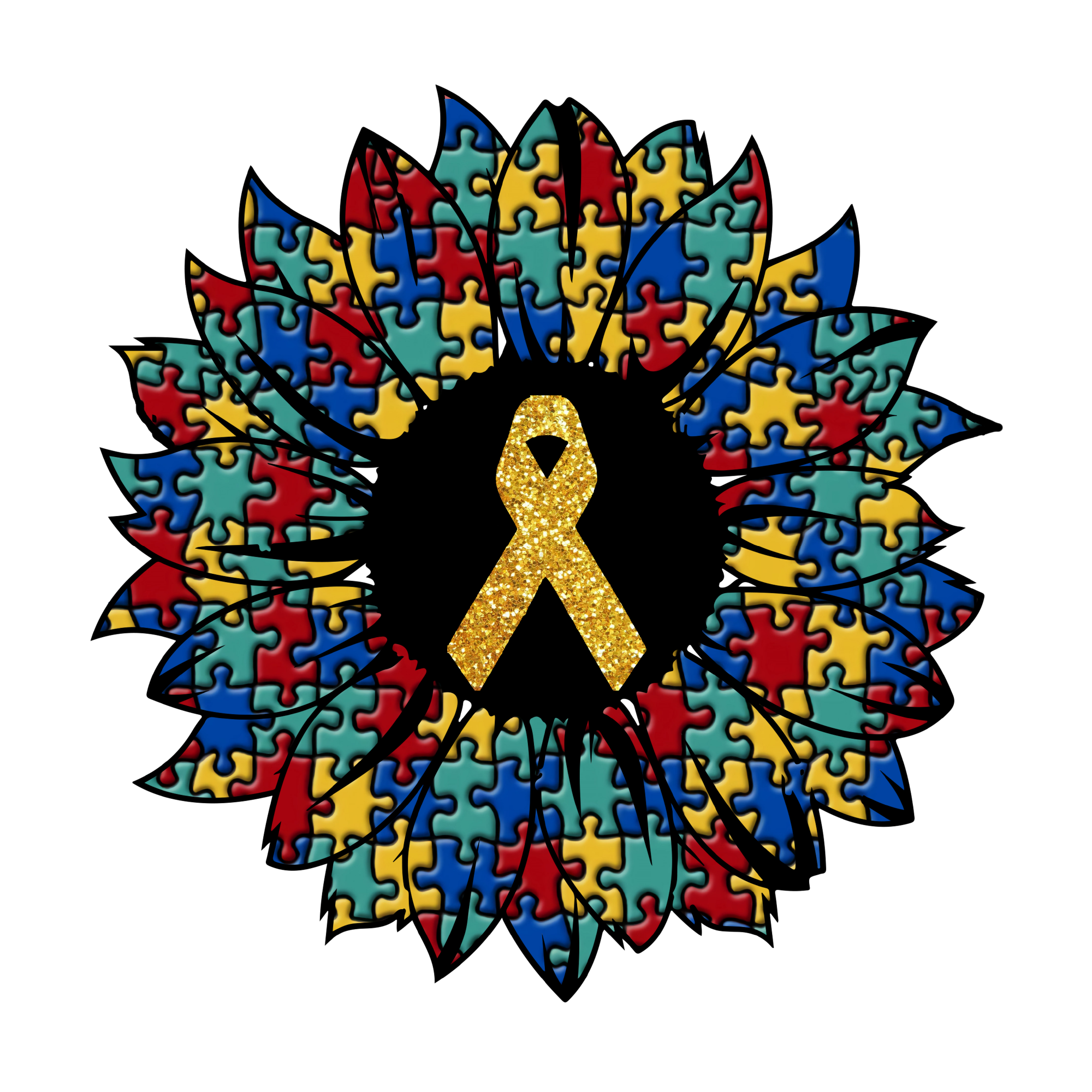
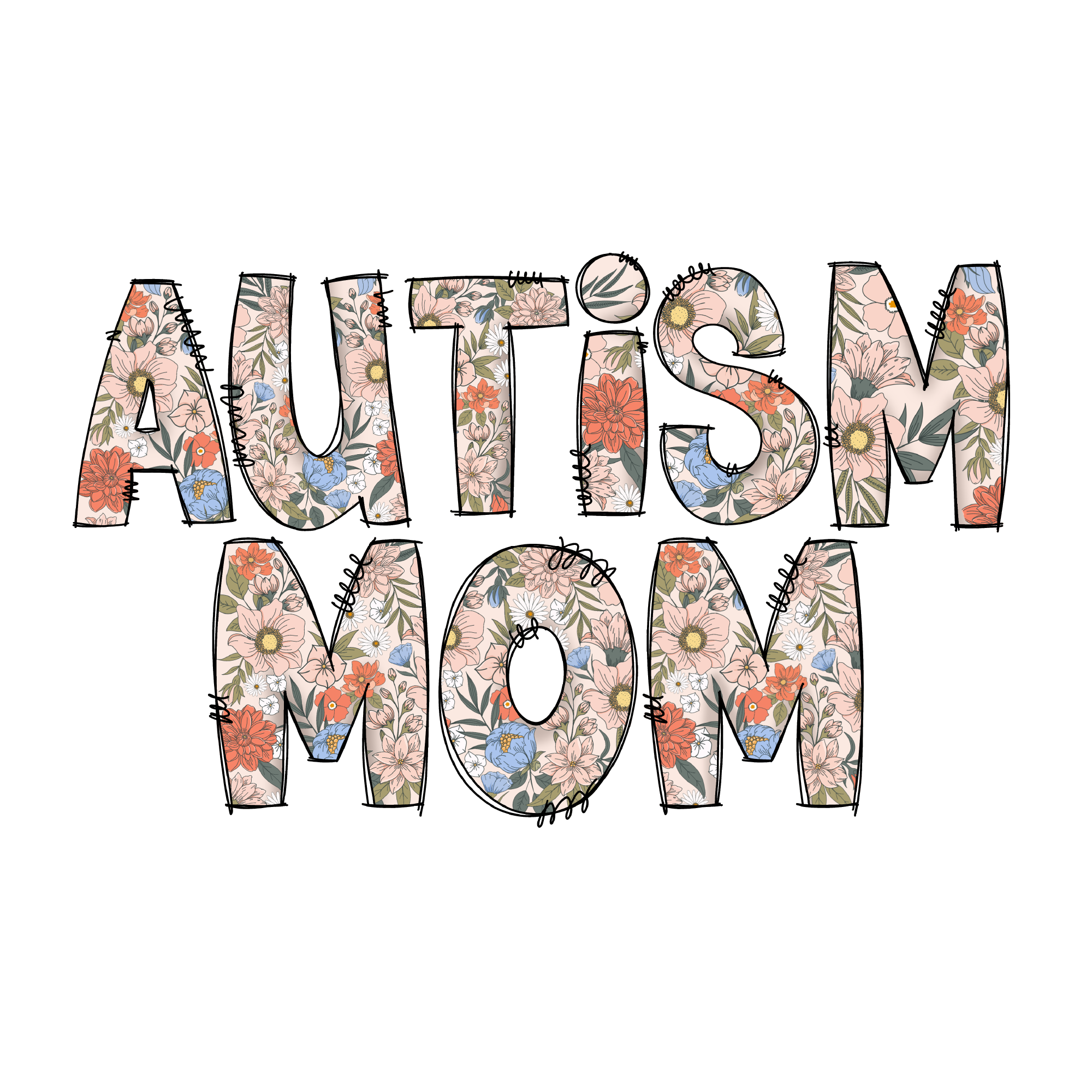
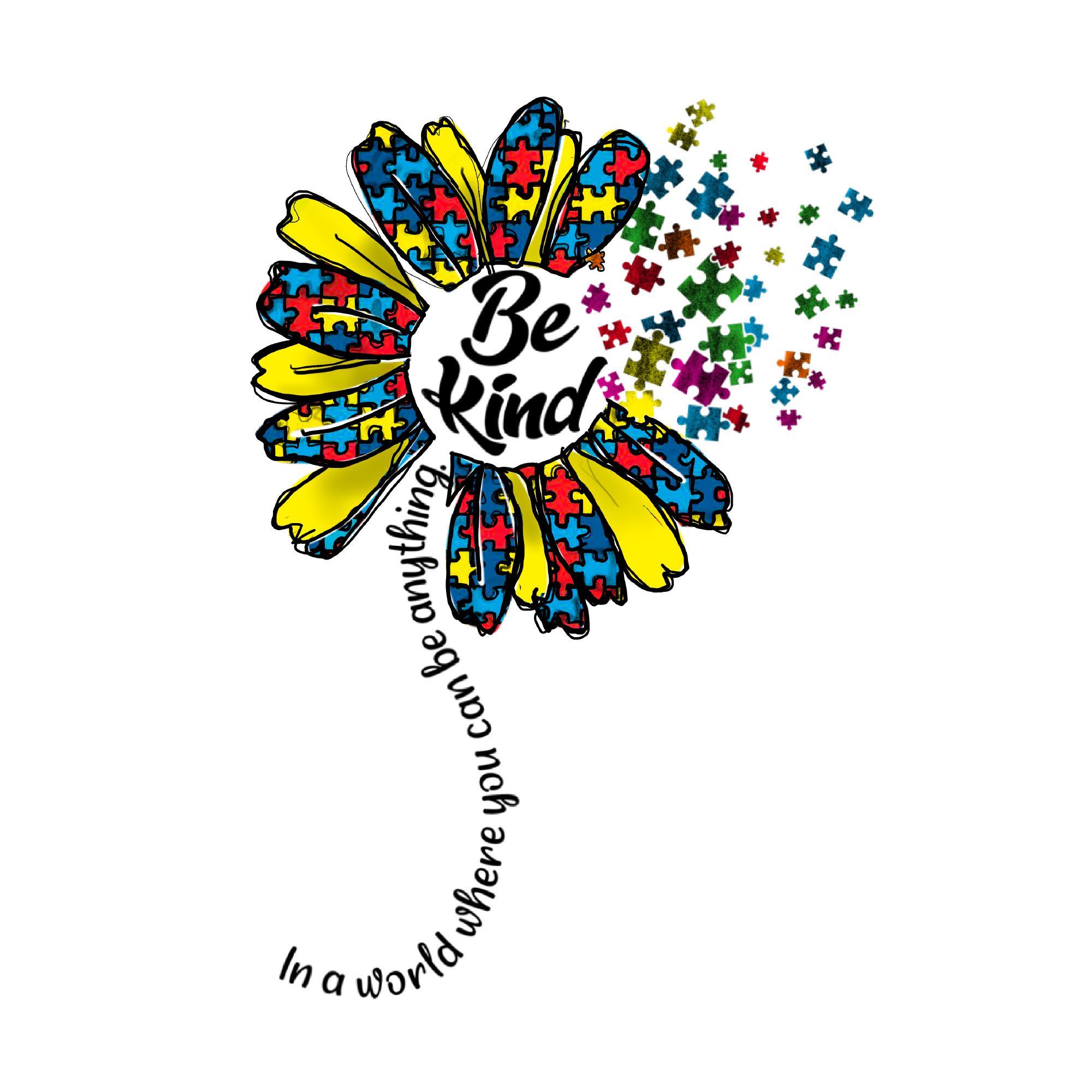
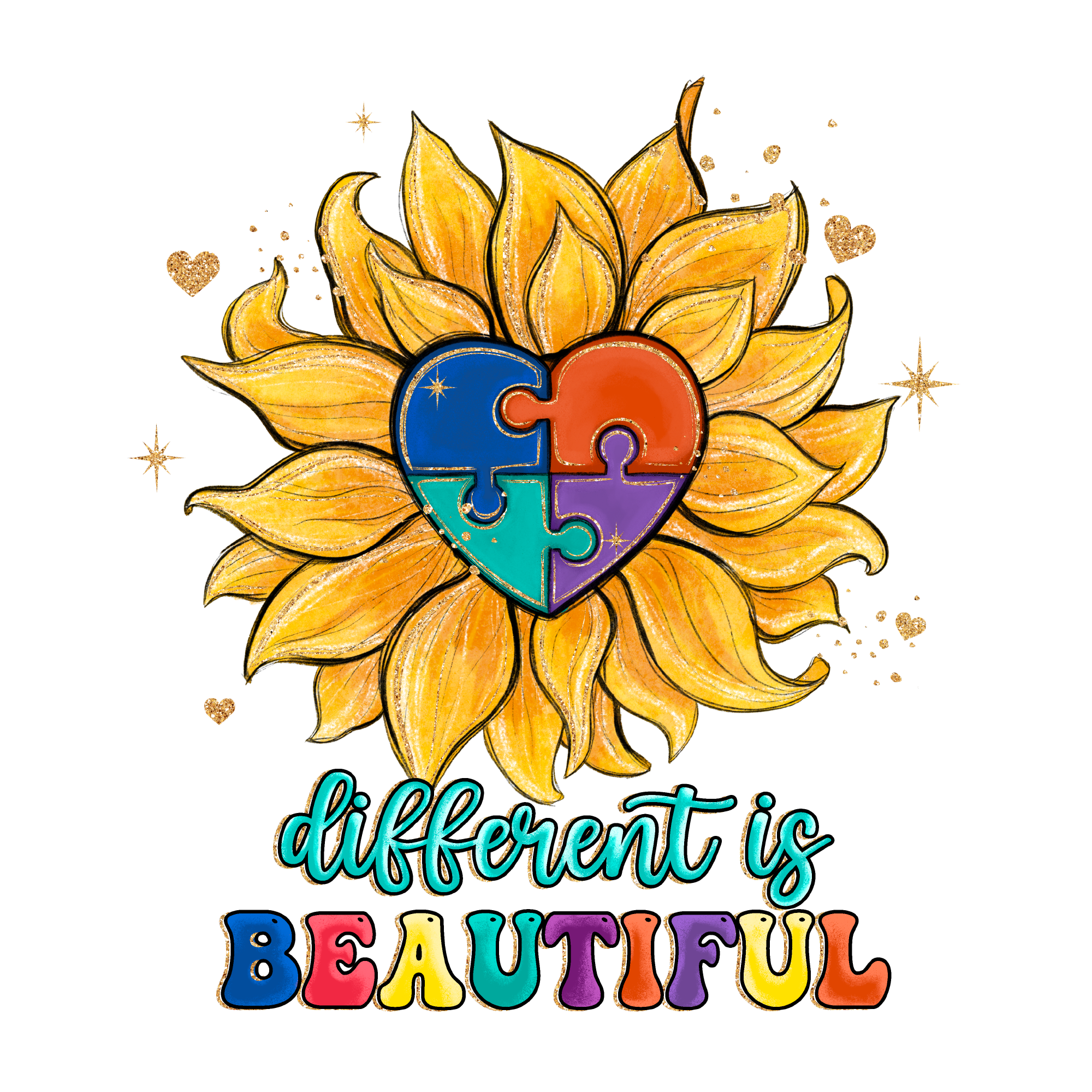
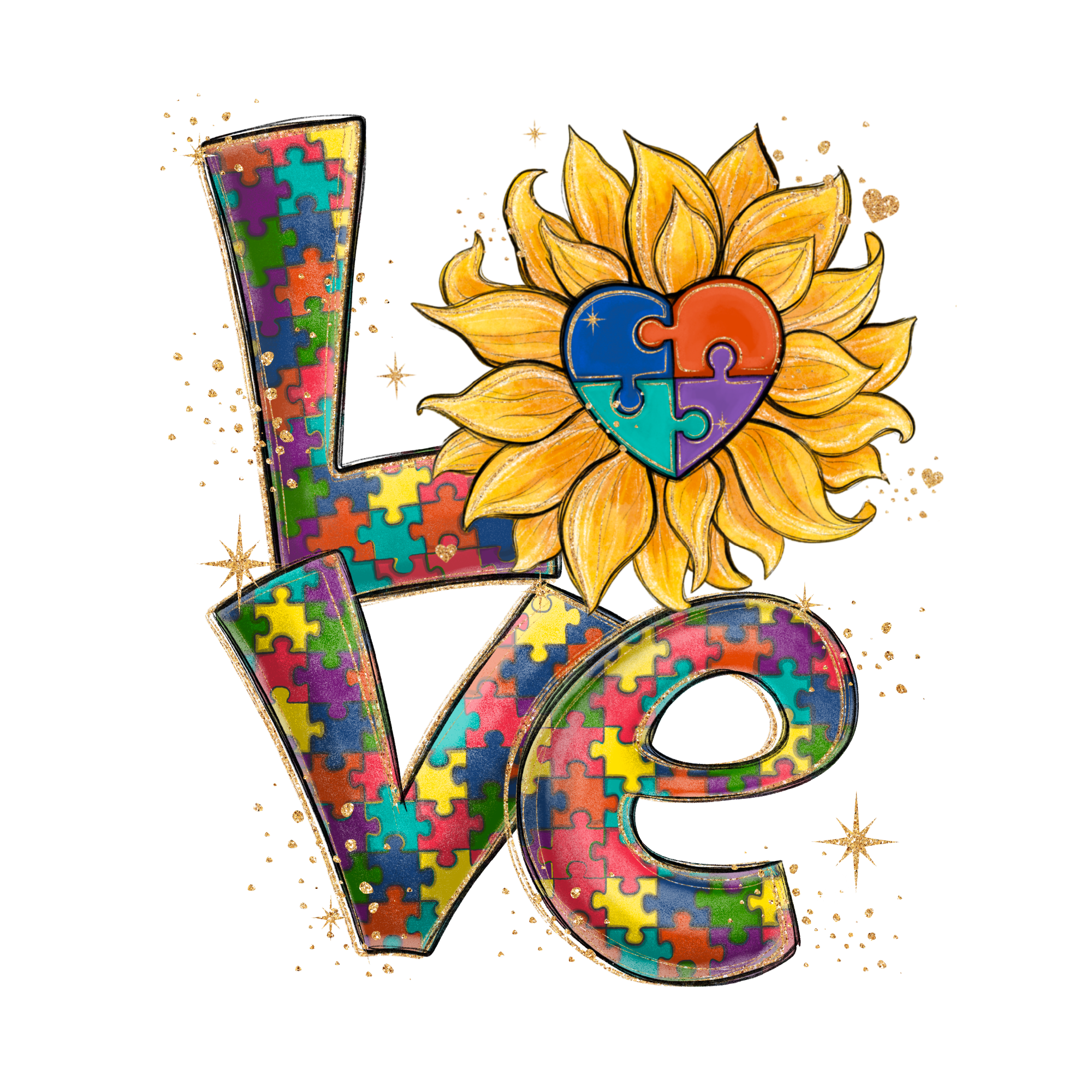
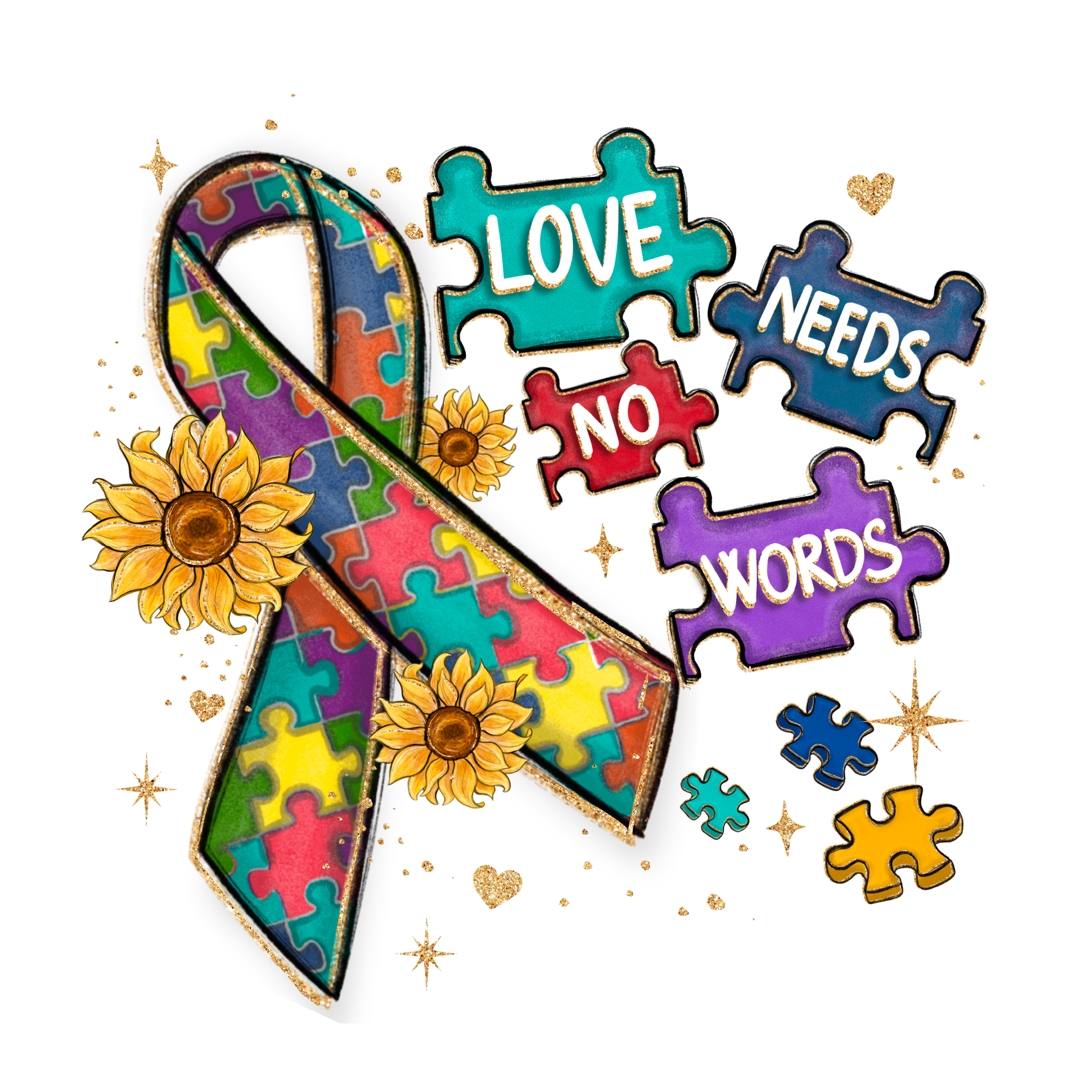
50 autism designs, drawn as full-colour sublimation art, printed rather than cut. The set covers puzzle pieces, infinity symbols, rainbow motifs and acceptance lettering. They are made for fundraiser shirts, walk-day signs, car magnets, ribbon decals and the bulk orders a team places three weeks before an event.
50 designsSublimationsNew
 Included with the Maker plan
 Included with the Maker plan
 Included with the Maker plan
 Included with the Maker plan
 Included with the Maker plan
 Included with the Maker plan
 Included with the Maker plan
 Included with the Maker plan
 Included with the Maker plan
 Included with the Maker plan
 Included with the Maker plan
 Included with the Maker plan
 Included with the Maker plan
 Included with the Maker plan
 Included with the Maker plan
 Included with the Maker plan
 Included with the Maker plan
 Included with the Maker plan
 Included with the Maker plan
 Included with the Maker plan
 Included with the Maker plan
 Included with the Maker plan
 Included with the Maker plan
 Included with the Maker plan
 Included with the Maker plan
 Included with the Maker plan
 Included with the Maker plan
 Included with the Maker plan
 Included with the Maker plan
 Included with the Maker plan
 Included with the Maker plan
 Included with the Maker plan
 Included with the Maker plan
 Included with the Maker plan
 Included with the Maker plan
 Included with the Maker plan
 Included with the Maker plan
 Included with the Maker plan
 Included with the Maker plan
 Included with the Maker plan
 Included with the Maker plan
 Included with the Maker plan
 Included with the Maker plan
 Included with the Maker plan
 Included with the Maker plan
 Included with the Maker plan
 Included with the Maker plan
What people make with autism sublimations
Fundraiser shirts, walk-day signs, car magnets, ribbon decals and the bulk orders a team places three weeks before an event — those are the pieces this collection gets used for. In this format they go on polyester shirts, poly-coated tumblers, mousepads, ceramic mugs and sublimation blanks — polyester or a poly coating only, never untreated cotton.
Printing and pressing
Sublimation is not a cutting job — nothing here gets weeded. Print onto sublimation paper with sublimation ink, then press at roughly 385–400°F for 45–60 seconds depending on the blank. The ink turns to gas and bonds into the polyester, which is why it only works on polyester or a poly-coated surface, and why it will not show on cotton or on a dark garment.
Getting autism designs right
Sublimation ink bonds only to polyester and polymer coating, so the blank decides the result more than the artwork does — the same file is vivid on a coated mug and washed out on cotton. The multi-colour palette is the point — cut each colour separately and register them rather than cutting one flat shape. These are almost always bulk runs in mixed sizes: forty shirts, four sizes, sometimes with names on the back. Cut the fronts as one nested job, then merge the name list separately — it halves the mat changes.
When to make these
Tied to awareness months, which are fixed: October for breast cancer, April for autism, February for Black History Month. If you sell, that is the window the listings need to be live in — search traffic for a seasonal theme arrives weeks before the date, not on it. Press a sample on the exact blank first. The same design reads noticeably darker on a coated mug than on a poly tee, and a seasonal run is the wrong time to find the gap.
Exporting for your machine
Export PNG at final physical size and at least 300 DPI, then print onto sublimation paper. There is no cut line and no weeding — the design is pressed into polyester, not cut from vinyl.
Cut, score, draw and engrave operations are written as named layers, so Cricut Design Space, Silhouette Studio and laser software map them to the right tool without manual reassignment. For a printed sheet, the print-then-cut guide covers registration and bleed.
Autism in other formats
The same theme drawn for a different medium — printed, pressed or cut.
More sublimations collections
All sublimationsQuestions
Open an autism design now
Free, in the browser, no install. Edit it and export a cut-ready file in minutes.